
Yara International, World Bank Launch Accelerator to Boost Soil Health and Food Security in Kenya
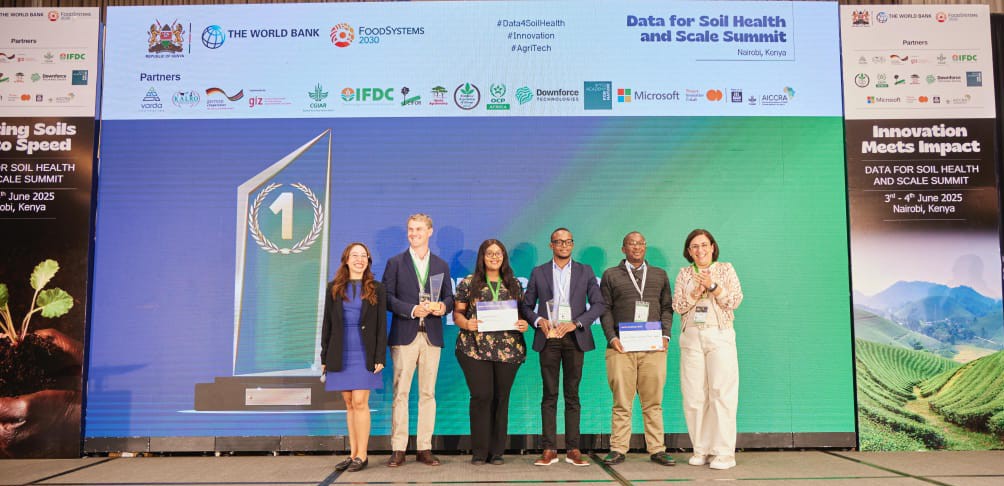
Yara International, in partnership with the World Bank and Thryve Innovation CoLab, has announced the launch of an ambitious accelerator program aimed at transforming food systems through innovation and sustainable practices.The initiative was unveiled at a high-level summit in Nairobi.
Speaking during a press briefing, Marisa Rebelo, Senior Vice President for Innovation and Impact for Africa and Asia at Yara International, highlighted the goal of the program, to leverage technology and data to improve soil health and farm productivity, particularly for smallholder farmers.

“Soil health is foundational to food security. Without healthy soils, no amount of fertilizer or effort from farmers will yield the results needed,” she noted.
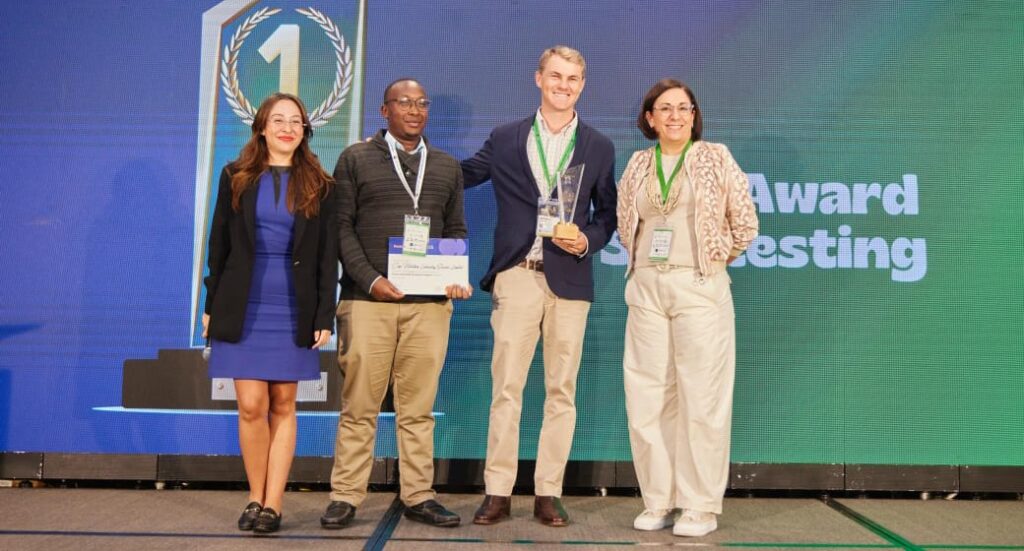
The program culminated in the selection of two winning startups for the Thryve Award, who will undergo a three-month accelerator supported by Yara experts. The startups will fine-tune and test their innovations, aiming to scale solutions that offer tailored recommendations based on soil types and farmer needs.
Esther van de Voort, Director of Innovation at Yara, emphasized the significance of public-private partnerships in driving long-term food security.
“Thryve brings a new model one that connects innovators with platforms, policy, and on-the-ground distribution networks,” she said.
Collaboration with the Kenya Agricultural and Livestock Research Organization (KALRO) and data-sharing initiatives such as Soil Hive and Varda are central to the accelerator’s success.
The Kenyan government, including county-level agencies, has shown strong support through policy development and by opening access to legacy data for innovators.
“This summit positions Kenya as a continental leader in sustainable agriculture and food systems transformation,” van de Voort stated, noting that the model could be replicated across Africa and Asia.
The program marks a pivotal step toward climate-smart agriculture and resilient food systems in Kenya and beyond.
By Sharon Atieno