
“WAKATI WETU: It’s Our Time” Africa’s First Reparations Festival Opens in Nairobi
The serene grounds of Entim Sidai Wellness Sanctuary in Karen came alive on Wednesday as Africa’s first-ever continental reparations festival opened in Nairobi. The two-day event titled “Wakati Wetu: It’s Our Time To Resist, Repair and Reclaim” marks a historic moment in Africa’s collective journey toward reparatory justice, bringing together art, activism, and scholarship under one powerful movement.
The festival, convened by African Futures Lab, Baraza Media Lab, AU ECOSOCC, and Reform Initiatives, has drawn hundreds of artists, intellectuals, policymakers, and Pan-Africanists from across the continent. It seeks to provide a space for reflection on the long shadow of colonialism and the need for Africa to define its own path toward healing and justice.
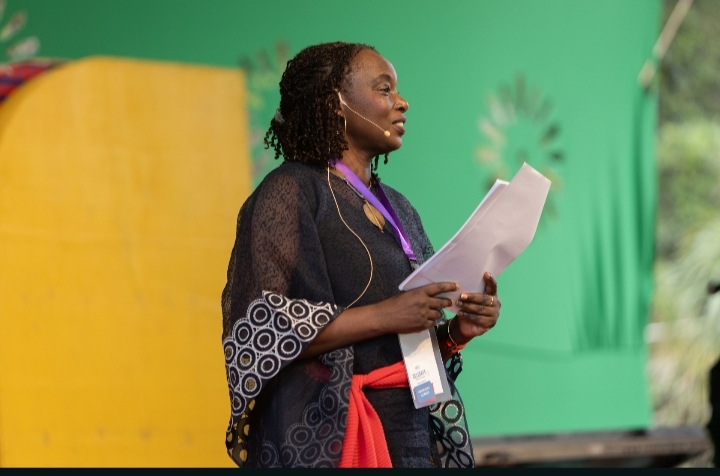
Award-winning Kenyan author Yvonne Adhiambo Owuor, who served as the keynote speaker, delivered a profound and poetic address that captivated the audience and set the tone for the gathering. In her opening remarks, Owuor described reparations as both a moral and spiritual duty, saying, “Reparations is first an act of moral autopsy and then moral exorcism. There is no repair or healing without walking into, around, and naming the wound in its fullness.”
Her moving words drew silence from the crowd as she challenged Africans to confront their painful histories with honesty and courage. Owuor questioned attempts to dilute justice by tying reparations to development, saying, “Why would we want to integrate reparations into development, fold justice back into the very economic model that produced injustice?”
She reminded the audience that true repair requires confronting truth without illusions, declaring, “We traverse the landscapes of our shadows and shores still haunted by stilled graves. Repair begins with the truth, to strip away all illusions so that what is being healed is the wound itself.” Her speech was met with thunderous applause as participants rose in agreement with her call for moral awakening and historical accountability.
Dr. Kathryn Nwajiaku-Dahou, Director of the Politics and Governance Programme, followed with remarks that underscored the festival’s message of reclamation and hope. Quoting her father’s proverb, she said, “The cup that was meant for your lips will never pass you by,” capturing the sense of inevitability surrounding Africa’s call for justice and repair. She noted that reparatory justice is not only a political pursuit but also a moral and emotional restoration of dignity.
The festival has been described by organizers as a landmark moment for Africa’s reawakening, a space where the wounds of the past are acknowledged and collective imagination is used to envision new possibilities for the continent. Over the two days, participants will engage in dialogues, performances, art exhibitions, and policy discussions exploring the intersections of history, identity, and justice.
Organizers said the festival aims to shift the reparations narrative from dependency on Western institutions to an African-led movement grounded in truth, creativity, and solidarity. One of the conveners noted that Wakati Wetu is more than an event, it is a declaration that Africa will no longer wait for permission to heal itself.
The opening day was filled with vibrant performances, powerful poetry, and visual art installations depicting Africa’s struggle, resistance, and resilience. The artistic expressions provided an emotional link between the pain of the past and the hope of a new beginning.
As the festival continues, sessions will focus on policy frameworks, creative resistance, and the role of young Africans in redefining justice. The gathering at Entim Sidai represents a new chapter in the global reparations movement, one led by Africans, for Africans, and rooted in the belief that the time for truth and repair is now.