
Manufacturers Push for Faster Shift to Clean Energy Amid Rising Production Costs

Manufacturers have called for accelerated adoption of clean technologies, affordable energy solutions and stronger public-private collaboration to cushion industries from rising operational costs linked to volatile fuel prices, expensive electricity and global supply chain disruptions.
The calls were made during the Clean Energy Conference and Expo held at the Sarit Expo Centre under the theme Industrial Decarbonization Through Clean Technology Adoption.
The forum, organised by the Kenya Association of Manufacturers in partnership with the United Nations Industrial Development Organization, also marked the launch of the Industrial Clean Tech Platform (ICTP), which seeks to help industries access clean technologies, financing and technical support to accelerate Kenya’s transition to low-carbon manufacturing.
Industry players warned that manufacturers are increasingly operating under pressure from fluctuating global oil prices, foreign exchange volatility, rising electricity tariffs and stricter international sustainability standards that are reshaping global trade competitiveness.
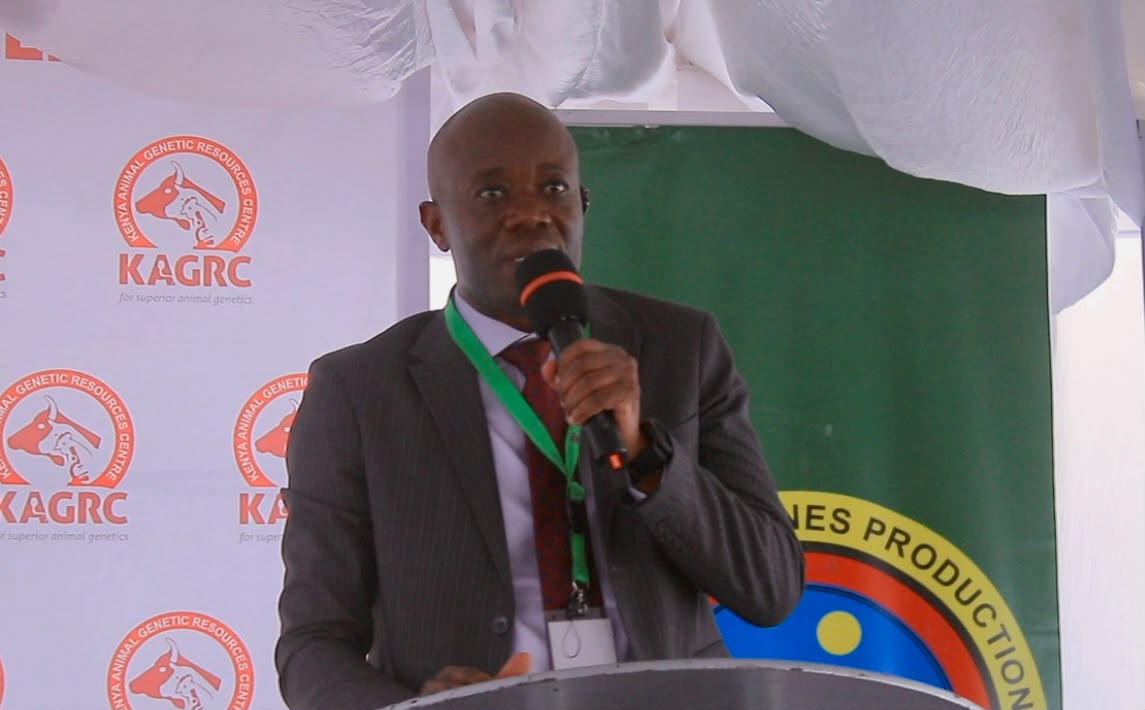
Speaking on behalf of the Principal Secretary for Industry, Assistant Director of Industries Bernard Bosuben said industrial transformation would only be achieved through coordinated partnerships between government, private sector players, academia and development agencies.
“Achieving sustainable industrialisation requires coordinated cooperation and consolidation from all partners including government, industry, academia, researchers and development partners,” said Mr Bosuben.
He added that investments in green technologies and youth participation in green manufacturing would be critical in positioning Kenya’s industries competitively in the future global economy.

KAM Chief Executive Tobias Alando said recent global energy shocks have exposed the vulnerability of industries heavily reliant on conventional energy sources, making energy efficiency and clean technology adoption increasingly urgent.
“The recent shocks we are witnessing in global energy markets remind us that energy security can no longer be separated from industrial competitiveness,” said Mr Alando.
“Manufacturers are operating in an increasingly unpredictable environment shaped by volatile fuel prices, climate-related disruptions and supply chain uncertainties.”Mr Alando called for affordable green financing solutions, incentives for clean technology investments and risk-sharing financing mechanisms to support industries transitioning to sustainable production systems.
He noted that industrial decarbonisation should not only be viewed as an environmental obligation but also as a practical business strategy capable of reducing operational costs, creating jobs and improving market competitiveness.

Representing the Energy and Petroleum Regulatory Authority, Acting Director for Electricity and Renewable Energy Engineer Boniface Kinyanjui said industries must transition from traditional production systems to cleaner technologies and smarter industrial processes to remain competitive.
He noted that more than 80 percent of Kenya’s electricity currently comes from renewable energy sources, with geothermal accounting for about 40 percent of the country’s grid supply.
According to EPRA, solar systems currently contribute about 327 megawatts of captive generation capacity while bioenergy contributes approximately 164 megawatts, reflecting the country’s growing clean energy investments.
Mr Kinyanjui further said industries conducting energy audits have recorded energy savings of between 20 and 30 percent through improved efficiency measures and energy management systems.
He highlighted government-backed initiatives including Time of Use tariffs, electric mobility tariffs, green hydrogen guidelines and Battery Energy Storage Systems aimed at lowering industrial energy costs and improving reliability.

UNIDO Representative to Kenya Tally Einav said global competitiveness is increasingly being measured through sustainability, efficiency and resilience rather than production scale alone.
She cited Kenya’s tea sector, where energy accounts for between 25 and 35 percent of production costs while the industry consumes an estimated 1.3 million tonnes of fuelwood annually, as an example of sectors requiring urgent clean technology interventions.
Ms Einav said the Industrial Clean Tech Platform would support manufacturers in identifying suitable clean technologies, connecting with financing institutions and accessing technical expertise needed to lower costs and improve industrial productivity.
The conference brought together stakeholders from government, financial institutions, industry, academia and development agencies to explore practical clean energy solutions capable of supporting Kenya’s industrial competitiveness and green growth agenda.
The engagements continue with the Loop Forum Kenya scheduled for Thursday, focusing on circular economy solutions, sustainable resource use and waste-to-value opportunities for industries, before culminating in the Energy Management Awards on Friday.