
Mtoto News New Framework Calls for Child-Centred Digital Design in Africa
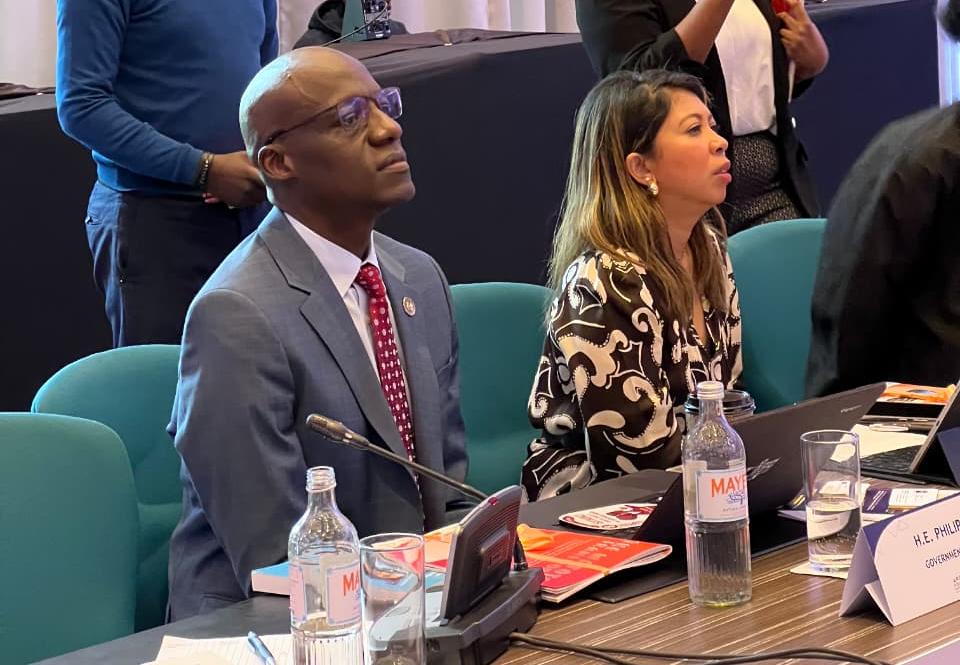
Ambassador Philip Thigo(Left)during the Africa Foward Pre-Summit in Nairobi on May 11, 2026
Technology developers and policymakers have been urged to place the rights, safety and lived realities of African children at the centre of digital innovation as internet use and artificial intelligence become increasingly integrated into children’s daily lives.
The call was made in Nairobi during the launch of the Watoto Framework at the Africa Forward Pre-Summit by Mtoto News, a child-centred digital safety framework developed with direct input from children themselves to guide technology companies, startups and governments in building safer and more inclusive digital products for young users across Africa.
Speaking at the launch, Kenya’s Special Envoy on Technology Philip Thigo said Africa must ensure that innovation advances in a way that protects children while enabling them to benefit from emerging technologies.
“As we build the digital future, we must ensure that children are not treated as an afterthought. Their safety, dignity and rights must be embedded in the design of every product and platform they use,” he said.
Thigo said child-centred frameworks are critical in shaping responsible technology development, particularly as artificial intelligence, social media and other digital tools become increasingly accessible to young people.
The framework, known as Watoto, the Kiswahili word for children was developed after more than a year of research and consultations with children from across Africa, who said many digital products do not reflect their language, culture or lived experiences.
Mtoto News founder Jennifer Kaberi said the organisation identified a major gap in child online safety because most frameworks used in Africa are borrowed from Europe, North America and Australia.
“Most of the frameworks we are implementing in Africa come from the Global North. They were not developed with our realities in mind; our languages, our cultures and the fact that in many homes one phone is shared by the whole family,” she said.
Kaberi said children played a central role in shaping the framework and repeatedly pointed out that many platforms did not “speak their language” or address the context in which African children access technology.
She said the framework intentionally uses African terminology and concepts to make it easier for communities and institutions across the continent to identify with and implement its recommendations.
The initiative also includes an AI-powered self-assessment tool that allows organisations to evaluate how child-friendly and Afrocentric their products are and receive recommendations on areas for improvement.
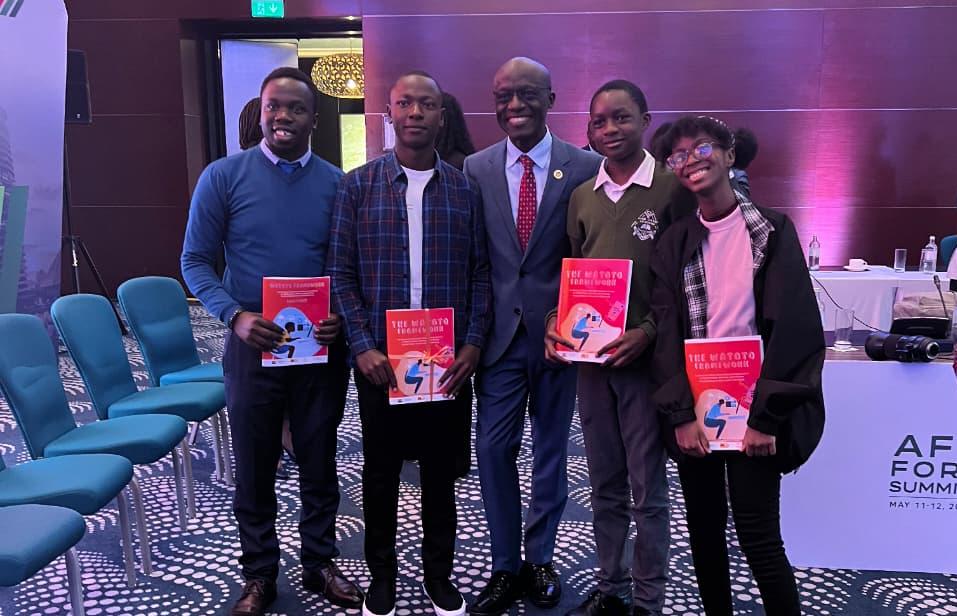
Fifteen-year-old participant Evans welcomed the initiative, saying it would help bridge the digital divide and strengthen both digital and AI literacy among children.
“If children are taught how to use AI safely from a young age, it will be much harder for cases of online abuse and grooming to happen because they will have the knowledge to protect themselves,” he said.
Evans said involving children in the development of policies and tools that affect them sends a strong message that their voices matter and that leaders are investing in the future.
The Watoto Framework promotes principles such as safety by design, privacy, accessibility, inclusion and meaningful child participation in the development of digital products.
Its launch comes amid growing concern over children’s exposure to cyberbullying, exploitation, harmful content and misuse of personal data as internet adoption accelerates across Africa.
Supporters say the framework offers a homegrown blueprint for ensuring digital innovation empowers children while safeguarding their rights and reflecting Africa’s unique social and cultural realities.