
Leaders Push for Africa-Led Climate Action After Landmark ICJ Ruling
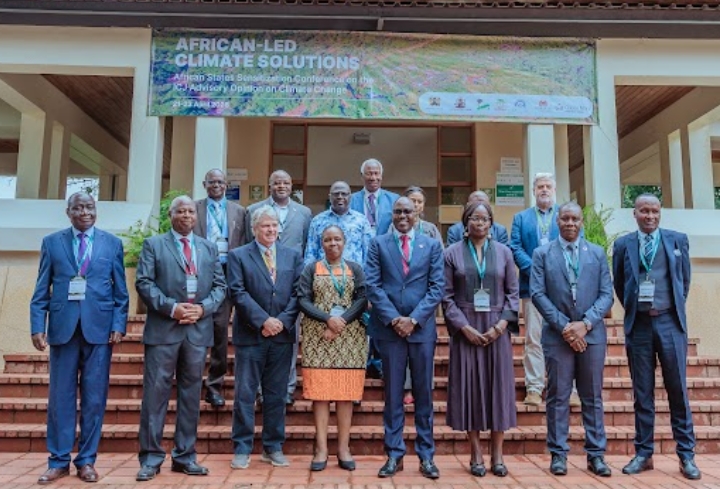
Delegates at the high-level sensitisation conference on the obligations of States in respect of climate change convened by the Centre for International Forestry Research and World Agroforestry (CIFOR-ICRAF), in partnership with the Government of Kenya, Queen Mary University of London, Kabarak University and the Technical University of Kenya. Photo by Kelvin Muchiri/CIFOR-ICRAF.
Nairobi, Kenya, April 20, 2026 — African leaders, policymakers, legal experts and scientists are calling for urgent, Africa-led climate solutions following advisory opinion by the International Court of Justice that affirms climate obligations as legally binding on states.
The call comes as stakeholders convene in Nairobi (April 21–23) for a high-level conference organised by the Center for International Forestry Research and World Agroforestry in partnership with the Government of Kenya, Queen Mary University of London, Kabarak University and Technical University of Kenya.
The meeting brings together representatives from the East African Community, African Union Commission, the United Nations, civil society, and government officials from East Africa and the Horn of Africa to assess the implications of the court’s July 2025 advisory opinion.
Climate obligations now enforceable
Kenya’s Principal Secretary for Foreign Affairs, Korir Sing’Oei, said the ruling fundamentally changes how countries approach climate commitments.
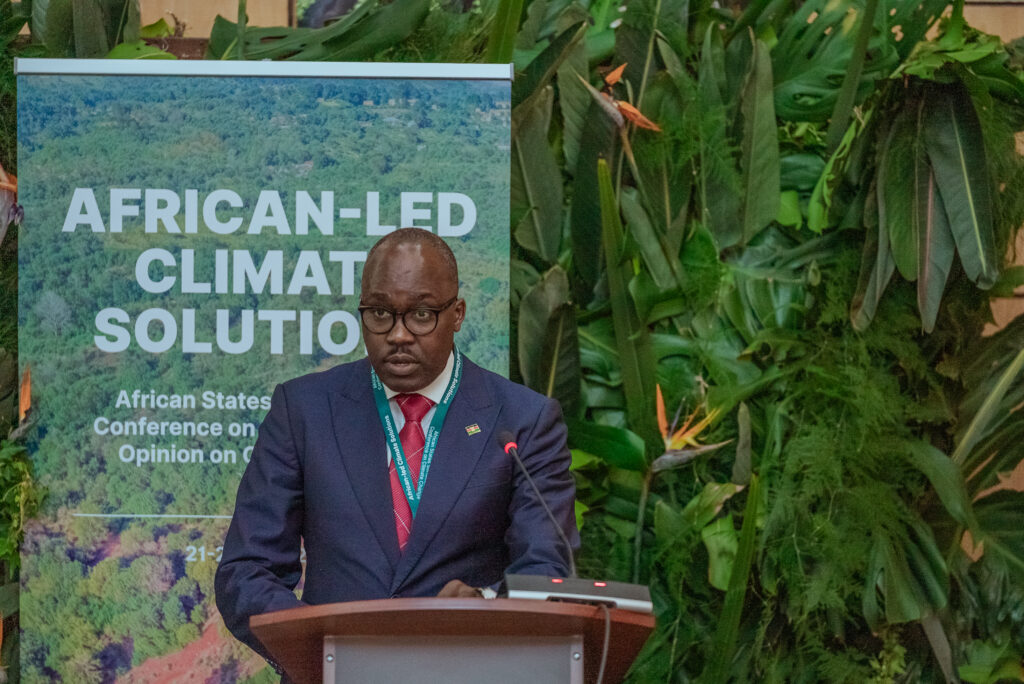
He noted that states can no longer “cherry-pick” which climate obligations to implement, stressing that the decision reinforces Kenya’s long-standing position that climate action is mandatory. He added that the ruling strengthens Kenya’s advocacy for increased climate financing, better enforcement of environmental laws, and integration of climate priorities into trade negotiations.
Sing’Oei also highlighted the need for technology transfer from developed countries to help Africa unlock its renewable energy potential, including geothermal, hydro and solar resources, while supporting global emissions targets.
A legal turning point for accountability
Climate policy expert George Okuta described the advisory opinion as one of the most defining rulings in the court’s history, noting that it introduces clarity and consequences for states that fail to meet their obligations.
He said the decision makes it explicit that governments must regulate private sector actors, including multinational corporations, to prevent environmental harm. It also reinforces the role of courts, with judges expected to increasingly rely on the advisory opinion in environmental litigation.
Okuta noted that the ruling will likely trigger a rise in climate-related cases as public awareness grows, but warned that enforcement by state agencies remains a critical challenge.
From commitments to implementation
Speakers emphasised that the focus must now shift from pledges to action.
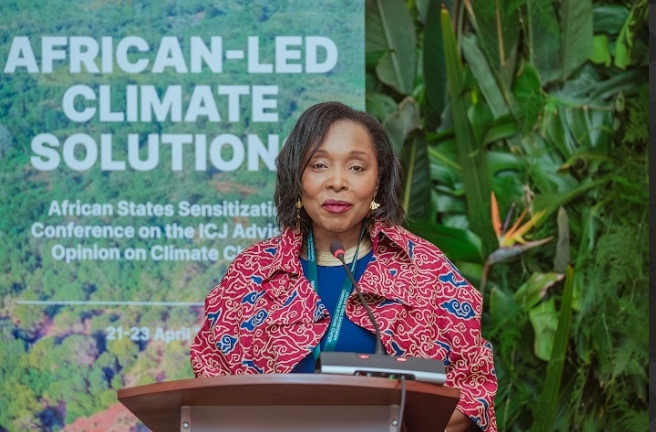
Éliane Ubalijoro said climate change is not only an environmental issue but a human and development challenge that requires coordinated efforts across science, law and policy to deliver practical solutions.
Similarly, Team Leader of the African Group of Negotiators Experts Support (AGNES), George Wamukoya said the ruling strengthens legal and policy frameworks while giving Africa a stronger voice in global negotiations. He noted that it affirms key principles such as due diligence, prevention of harm and the obligation of polluters to compensate affected countries.
Wamukoya added that the advisory opinion provides a solid legal basis for African countries to demand accountability, particularly in light of shifting global geopolitics and declining climate finance.
Stronger leverage for developing countries
CIFOR- ICRAF COO,Philip Osano said the ruling elevates existing commitments under the Paris Agreement into binding legal obligations, giving developing countries stronger leverage to push for financing and support.
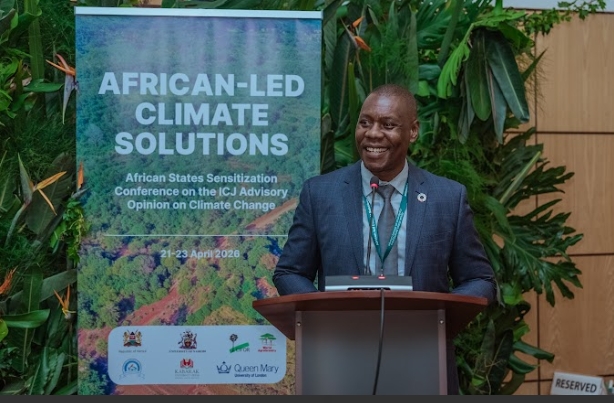
He added that it will empower governments, civil society and human rights institutions to strengthen climate advocacy, litigation and implementation at both national and regional levels.
Africa bearing the greatest burden
Data from the African Development Bank and the Intergovernmental Panel on Climate Change show that Africa contributes less than 4 percent of global emissions but faces some of the most severe impacts.
These include droughts, floods, food insecurity, displacement and infrastructure damage, all of which threaten to reverse development gains and strain economies already under pressure.
Financing gap and global pressure
While progress has been made at global platforms such as COP28, where a Loss and Damage Fund was operationalised, speakers noted that current pledges remain far below the hundreds of billions required annually.
Wamukoya warned that declining public climate finance and geopolitical shifts are forcing African countries many already highly indebtednto spend up to 5 percent of their GDP on climate response.
However, the ICJ ruling strengthens the legal basis for demanding increased, predictable and accessible financing, even from countries that may step back from formal climate agreements.
Scaling African solutions
Despite the challenges, leaders emphasised that Africa is already advancing practical solutions.
Initiatives such as the African Forest Landscape Restoration Initiative, alongside climate-smart agriculture, renewable energy investments and community-led adaptation strategies, demonstrate the continent’s growing leadership in climate action.
Universities, judicial institutions and civil society organisations were also identified as key players in translating the advisory opinion into action through research, training, advocacy and enforcement.
The road ahead
Leaders agreed that the ICJ advisory opinion marks a critical shift in global climate governance, but its impact will depend on implementation.
With stronger legal backing, Africa is positioning itself not just as a victim of climate change, but as a leader shaping solutions, demanding accountability and driving a more just global climate response.