
Kenya’s Most Vulnerable Infants Face Growing Threat from Drug-Resistant Infections

Participants at the 16th KEMRI Annual Scientific and Health Conference (KASH) listen intently as researchers and health professionals discuss emerging threats in neonatal health, including drug‑resistant Klebsiella infections in Kenyan hospitals in Nairobi on February 11, 2026.
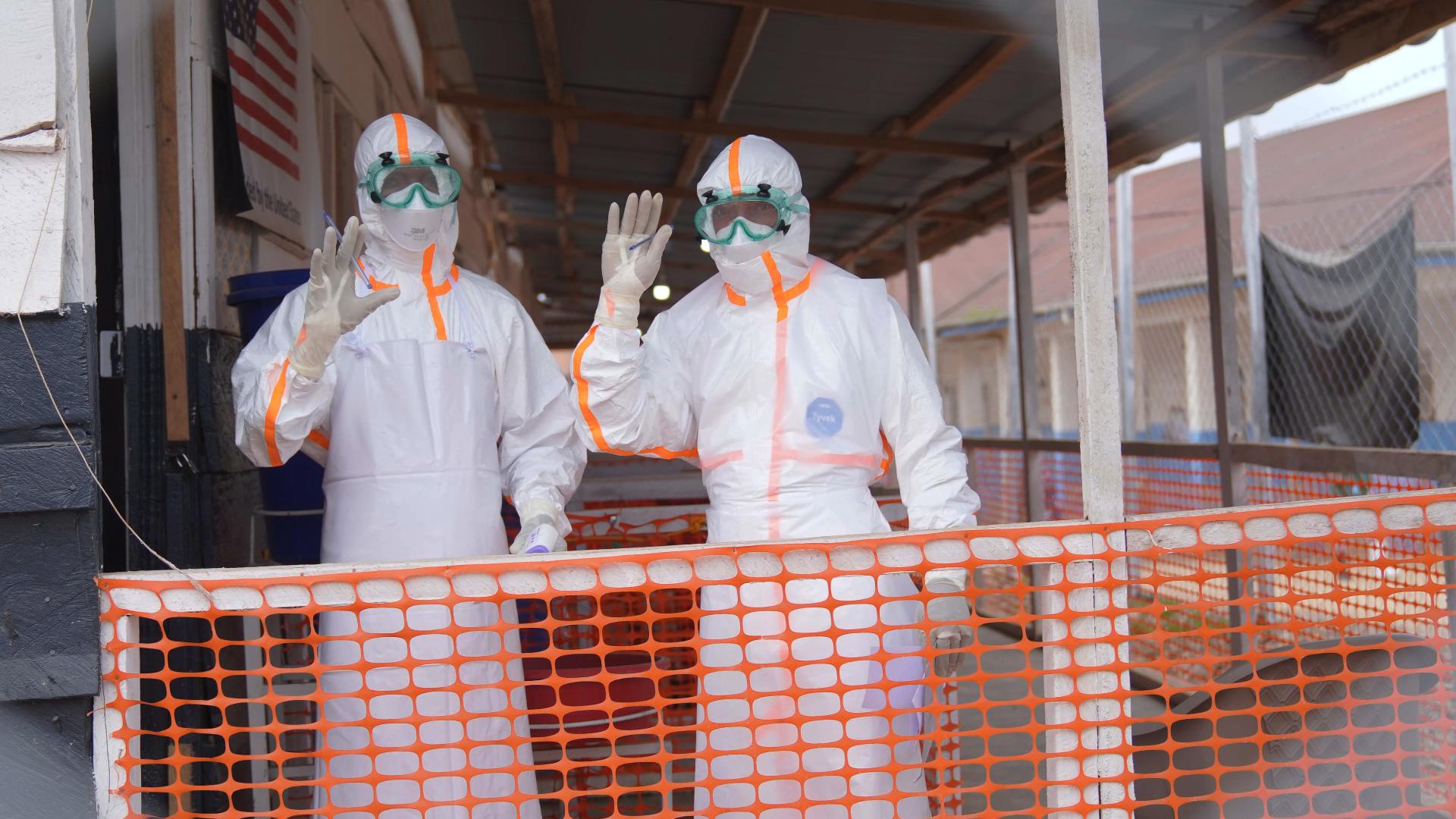
Newborns, in rising numbers in Kenya are being infected by a bacteria that no longer respond to standard antibiotics, putting their lives in substantial risk. Hospitals across the country are wrestling cases of neonatal sepsis, this is a life-threatening, systemic bloodstream infection that occurs in infants within the first 28 days of life and is increasingly resistant to treatment.
A study led by KEMRI researcher Dr. Anne Mulele analyzed clinical and genome sequencing data from neonatal sepsis cases across three hospitals between 2020 and 2023, alongside more than 20 years of surveillance at Kilifi County Hospital. The findings reveal a growing nationwide threat, with fragile infants bearing the heaviest burden. Mortality reached 32 per cent across the three hospitals, 41 per cent in Kilifi, and 56 per cent among infected infants, highlighting the vulnerability of neonatal units where infections can spread rapidly.
At the center of this concern is Klebsiella pneumoniae, a bacterium known for its ability to survive on surfaces, spread rapidly in hospital wards, and resist many commonly used antibiotics. For neonates, whose immune systems are underdeveloped, infections can escalate quickly and become fatal.
Data from the study are alarming: 81 percent of cases in the NeoBAC study occurred within outbreak clusters, while nearly half of infections in Kilifi were also outbreak-related. Klebsiella now accounts for the majority of drug-resistant neonatal infections in these hospitals. Resistance to first- and second-line antibiotics has risen steadily over the past decade, mirroring global trends in antimicrobial resistance (AMR), which is responsible for an estimated 80 thousand deaths annually. Sub-Saharan Africa carries one of the highest burdens, and neonates are among the most vulnerable.
“Our findings show that drug-resistant Klebsiella is not just a Kilifi problem, it’s spreading across hospitals, putting neonates at severe risk,” Dr. Mulele said to Newslightkenya.
Unlike E. coli, which is often contracted in the community, Klebsiella thrives in hospital environments. Premature babies and those with very low birth weight often spend extended periods in incubators and neonatal wards, increasing exposure to bacteria circulating on surfaces, equipment, and even healthcare workers’ hands.
“Remember, this child has not been outside,” Dr. Mulele said. “They have spent their first days of life within the hospital, so they have increased exposure.”
Hospitals, despite being lifesaving, inadvertently create conditions that accelerate bacterial resistance. Frequent antibiotic use kills susceptible bacteria but allows resistant strains to survive. Combined with limited sanitation, inconsistent cleaning practices, and understaffed wards, this creates a high-risk environment for neonatal units. Over time, first- and second-line antibiotics lose their effectiveness, forcing clinicians to rely on costlier or harder-to-access alternatives.
Resistance arises naturally through evolution, but hospital conditions accelerate the process. Frequent antibiotic exposure kills sensitive bacteria while leaving resistant strains to multiply. Genome sequencing in the study revealed not only resistant strains but also evidence of their movement across wards and hospitals, suggesting that hospital-to-hospital transmission is a growing concern.
“The more you use a certain drug, you kill off what is sensitive, but you select what is resistant,” Dr. Mulele explained. “So now those are the ones surviving in the hospital environment.”
Transmission clusters highlight the importance of infection control. In the NeoBAC study, the majority of cases were linked to outbreaks, emphasizing that Klebsiella spreads rapidly where protocols are inconsistent. Even short lapses in hygiene, overcrowding, or equipment cleaning can have serious consequences.
With few new antibiotics in development, researchers are exploring vaccines targeting Klebsiella’s outer coat, which the bacteria can alter to evade immunity. Identifying the most common strains is critical to designing effective vaccines, though the process remains complex.
Even as vaccines are developed, infection prevention remains the priority of defense. Clean water, sanitation, and strict hygiene practices are essential in reducing neonatal mortality from resistant infections.
“Clean water, sanitation, infection prevention those are the top two in reducing deaths,” Dr. Mulele emphasized. “Vaccine is a public health option we can use as we try to strengthen those systems.”
Experts stress that systematic surveillance is essential. Resistance patterns shift rapidly, and without consistent monitoring, hospitals risk being blindsided by emerging strains. Surveillance informs treatment decisions, vaccine development, and national policy, ensuring interventions remain effective.
“We need surveillance,” said Mulele. “We need to know what changes are happening within the Klebsiella community. We don’t want to design a vaccine that will not help us.”
Global research underscores the urgency. A major study published in PLOS Medicine mapped Klebsiella diversity across Africa and South Asia, analyzing nearly 2,000 isolates from 13 countries. Researchers estimate that a maternal vaccine covering at least 70 per cent of infections could prevent 400,000 neonatal sepsis cases and avert 80,000 deaths annually, most in Africa and South Asia.
In neonatal wards across Kenya, every day counts. Doctors are repurposing existing antibiotics to reduce mortality while researchers push for vaccines, stronger infection prevention measures, and robust surveillance. Yet without coordinated infection control, national support, and sustainable resource investment, drug-resistant bacteria will continue to threaten Kenya’s most fragile patients.
“The whole point is to reduce mortality,” Dr. Mulele said. “If we can have antibiotics that are safe for neonates and effective, then yes, we’ll have options.”
For Kenya’s tiniest patients, hospitals remain paradoxically both a place of safety and a frontline in the fight against bacteria evolving faster than medicine can keep up.