


Kenya Confronts Healthcare Crisis as US Funding Cuts Take Toll
Government Calls for Urgent Action Amid US Aid Cuts
The Ministry of Health has raised alarm over the suspension of US funding for critical healthcare programs, warning of dire consequences for millions of Kenyans.
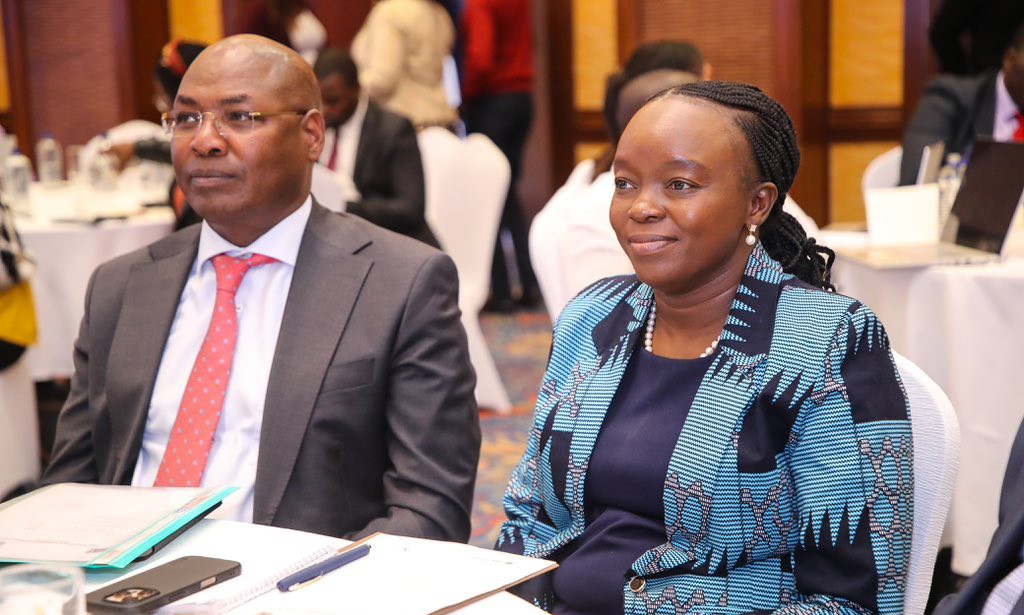
Speaking at a high-level meeting, Health Principal Secretary (PS) Harry Kimutai acknowledged the ministry’s role in policy formulation but emphasized that health is a devolved function.
“Our role is to coordinate partners and ensure national impact in healthcare,” he stated, adding that the meeting aimed to assess the repercussions of the funding halt and chart a way forward.
Kenya has long benefited from global partnerships, including the President’s Emergency Plan for AIDS Relief (PEPFAR), the Global Fund, and USAID-backed initiatives. These programs have provided life-saving medication, strengthened healthcare infrastructure, and sustained public health interventions.
“Millions have received HIV treatment, vaccinations, and maternal healthcare,” noted Kimutai. However, the abrupt funding halt threatens progress in fighting HIV/AIDS, malaria, and tuberculosis.
The funding cut has had an immediate impact on Kenya’s healthcare workforce making over 11,000 frontline workers to have lost their jobs, creating service gaps in comprehensive care clinics.
“Beyond the medical staff, we estimate about 45,000 Kenyans have been affected, including drivers and support personnel,” said Council of Governors (CoG) Chair Dr. Mutahi Kahiga.
The disruptions could compromise patient care and hinder disease monitoring effort.
Kenya’s health data systems, crucial for tracking HIV/AIDS treatment and patient care, have also been affected. These systems, predominantly funded by the US at a cost of KSh 139 billion, face an uncertain future.
“The risk of losing vital health data is high, which could disrupt disease surveillance and patient care,” warned Kahiga.
Without urgent intervention, Kenya could lose decades of progress in managing infectious diseases.
Government Seeks Alternative Funding Sources
In response, the government is exploring sustainable funding mechanisms.
“We are engaging with the African Union, private investors, and philanthropic organizations to fill the financial gap,” said Kimutai.
Public-private partnerships, improved efficiency in healthcare spending, and innovative financing models such as health insurance and taxation are being considered to sustain essential services.
Governors have swiftly taken measures to mitigate the crisis, ensuring uninterrupted service delivery at county health facilities. “We commend the governors for their proactive steps,” said Kimutai. Counties are focusing on integrating HIV treatment into general healthcare services to ensure continued patient care.
However, budget constraints remain a significant challenge.
The Call for Domestic Resource Mobilization
Dr. Kahiga underscored the need for Kenya to take ownership of its healthcare financing.
“For 40 years, we have relied on donor support. But as a middle-income country, we must now mobilize our own resources to safeguard healthcare gains,” he said.
He called for increased domestic funding and resource reallocation to prioritize health over other infrastructure projects.
Dr. James Nyikal, Chair of the National Assembly Health Committee, stressed the importance of long-term planning.
“In 2003, we knew donor support would decline, but we failed to prepare adequately,” he admitted.
He proposed a structured approach to health financing, better coordination between national and county governments, and a stronger role for Treasury in securing sustainable funding.
Despite the crisis, the government reaffirmed its commitment to Universal Health Coverage (UHC). The funding cut has exposed gaps in Kenya’s health financing strategy, prompting calls for urgent reforms.
“This moment is an opportunity to rethink how we fund healthcare sustainably,” said Kahiga.
The Ministry of Health pledged to develop policies that ensure long-term stability in healthcare financing.
As the country grapples with the funding crisis, leaders emphasized unity and swift action. “This is not a time for blame games,” said Kahiga. “We must work together national and county governments, the private sector, and citizens to ensure no Kenyan is left behind in accessing healthcare.”
The meeting has call for immediate interventions to protect vital healthcare services and prevent further job losses.
By Sharon Atieno

One thought on “Kenya Confronts Healthcare Crisis as US Funding Cuts Take Toll”