
Broken Bottles, Broken Systems: Inside Kibera’s Battle with Alcohol and Corruption
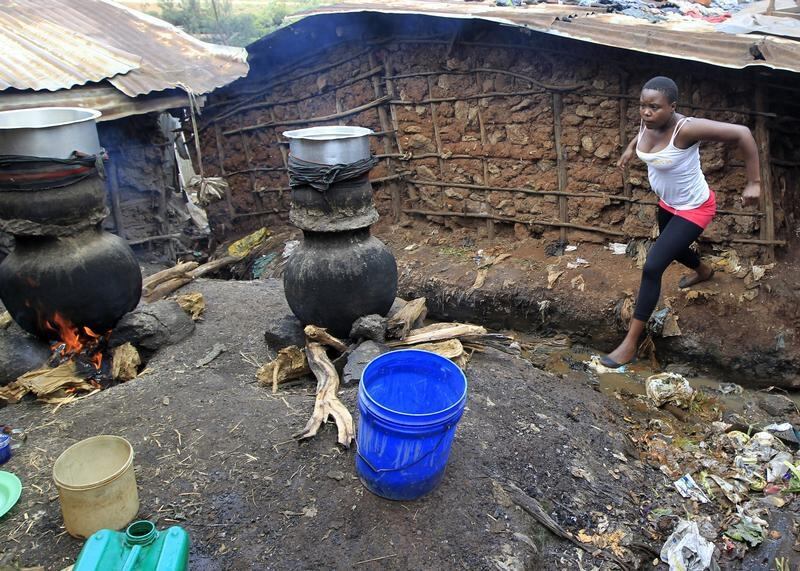
Chang’aa brewers of Kibera.
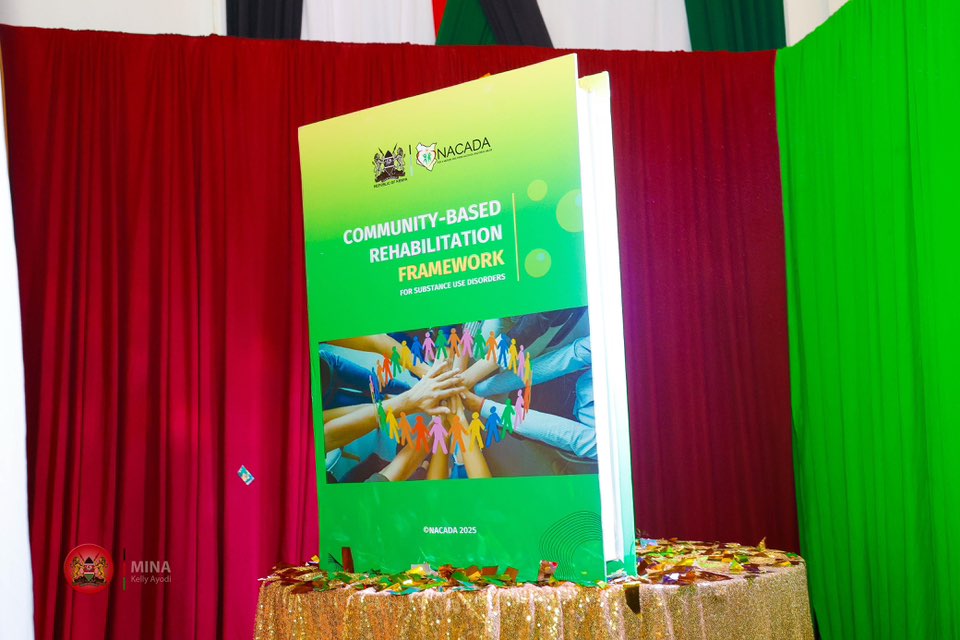
In Nairobi’s Kibera settlement, cheap alcohol fuels a quiet crisis by wreckinglnn health, draining family incomes, and deepening poverty. Police Officers take bribes, encouraging and dare residents as Henry Owino, Investigative Journalist exposes its human cost, and calls for stronger policies to protect Kenya’s most vulnerable.NACADA launches Community Based Rehabilitation Framework Document to Guide Stakeholders.
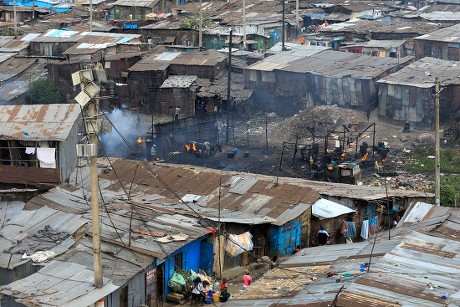
In the heart of Kibera, Africa’s largest informal settlement, alcohol has become both comfort and curse. Amid narrow alleys and rusted rooftops, chang’aa and busaa flow daily, leaving behind broken homes, hospital queues, and quiet despair.
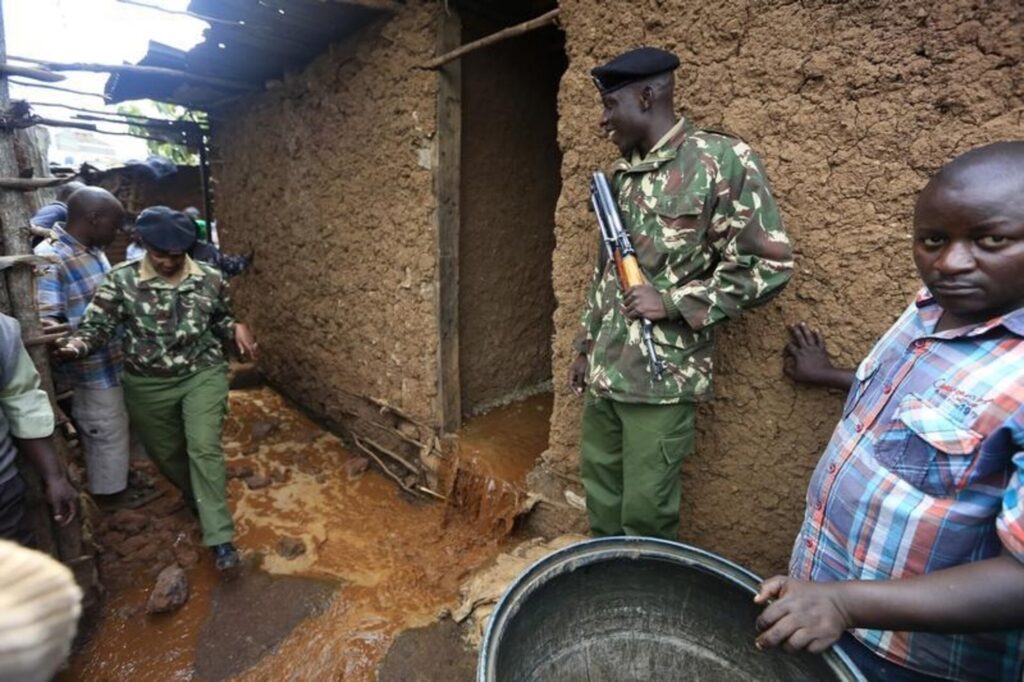
Yet amid the wreckage, clerics continue to shine a light and revealing the deep public health, financial, and social burden of alcohol abuse, and pressing for urgent policy reform.
A Public Health Crisis
At Kibera South Health Centre, clinical officer Mercy Murugi shakes her head over patient files. “Every week we treat poisoning, violence, or withdrawal linked to alcohol,” she says. “The youngest are barely 20.”
Murugi regrets the health implications of chang’aa, Kenya’s potent homemade spirit, are severe and multifaceted, affecting nearly every organ system. Below is a clear, evidence-based on breakdown of some of the following diseases:
Neurological and Mental Health Effects
- Brain damage and memory loss: Chronic use destroys brain cells, leading to reduced cognitive function, poor judgment, and memory problems.
- Addiction and dependence: Chang’aa has very high alcohol content often 40–60%, causing rapid dependence and withdrawal symptoms when not consumed.
- Depression and anxiety: Alcohol disrupts brain chemistry, worsening mental health conditions and sometimes leading to suicidal thoughts.
- Coordination loss: Long-term use affects the cerebellum, causing slurred speech, poor balance, and tremors.
Liver and Digestive System Damage
- Liver cirrhosis: Excessive intake scars the liver, eventually leading to liver failure.
- Gastrointestinal ulcers and bleeding: Alcohol irritates the stomach lining, increasing the risk of chronic ulcers and vomiting blood.
- Pancreatitis: Inflammation of the pancreas, which can be fatal if untreated.
Toxic Contamination Risks
Illegally brewed chang’aa is often adulterated with industrial chemicals to increase potency — methanol, battery acid, or formalin.
- Methanol poisoning causes blindness, coma, and death.
- Contaminants also damage the kidneys, liver, and nervous system.
In several past outbreaks in Nairobi, Embu, and Machakos, methanol-laced chang’aa has killed dozens in a single night.
Cardiovascular Complications
- High blood pressure and heart failure: Prolonged heavy drinking damages heart muscle, leading to cardiomyopathy.
- Irregular heartbeat (arrhythmia): Alcohol interferes with electrical impulses that control the heart.
Reproductive and Fetal Health
- Impotence and infertility: Alcohol lowers testosterone and reduces sperm quality in men.
- Fetal Alcohol Syndrome (FAS): Women who drink during pregnancy risk giving birth to babies with developmental delays, facial deformities, and low birth weight.
Social and Public Health Consequences
- Domestic violence and neglect: Alcohol abuse fuels gender-based violence (GBV), family breakdown, and child neglect.
- Increased poverty: Addicted individuals divert income to alcohol instead of food, education, or healthcare.
- Burden on health system: Repeated hospital visits and emergency cases strain already limited public health resources.
Expert Views
“Chang’aa is not just an alcohol issue — it’s a toxic brew of poverty, policy failure, and health neglect,” says Dr. Fred Otieno, a public health expert. “It is slowly destroying a generation in Kenya’s poorest neighborhoods.”
Chang’aa in Kenya’s potent homemade spirit carries devastating health risks. Its high alcohol content and toxic additives cause liver cirrhosis, kidney failure, and brain damage. Victims often suffer memory loss, depression, and poor coordination, while methanol contamination can lead to blindness or instant death.
Prolonged use weakens the heart, fuels gender-based violence, and deepens poverty as families spend more on alcohol than food or healthcare. Health experts warn that chang’aa is not just a drink but a public health emergency, one that silently erodes communities and burdens Kenya’s fragile health system.
“Chang’aa is a slow poison,” says Dr Otieno, a public health specialist. “Its damage is physical, mental, and deeply social.”
NACADA Regime
According to the National Authority for the Campaign Against Alcohol and Drug Abuse (NACADA), informal settlements record some of Kenya’s highest rates of harmful drinking.
Cheap, toxic brews have turned moments of relief into life-threatening danger. The local health system bears the strain of treating survivors of poisoning, domestic violence, and addiction with limited resources.
Many brews are mixed with industrial chemicals, turning cheap relief into deadly poison. The burden on local clinics and hospitals is immense stretching limited public health resources and leaving survivors with lifelong complications.
NACADA backs a proposal to raise the legal drinking age in Kenya from 18 to 21, saying the move is rooted in research and international best practices.
“The proposal to raise the legal drinking age to 21 is a well-informed prevention strategy grounded in scientific research, public health best practices, and evidence from global success stories,” NACADA stated in its social media accounts.
According to the Authority, studies have shown that delaying the age young people start drinking reduces the risk of addiction, brain damage, and risky behaviour.
“The brain continues developing until the mid-20s,” the post added.
NACADA also pointed to countries like the United States, where the minimum drinking age is 21, saying such nations report lower levels of underage drinking, drunk-driving deaths, and alcohol-related harm compared to those with lower age limits.
The move is part of a wider plan under the new National Policy on the Prevention of Alcohol, Drugs and Substance Use (2025), which was approved by the Cabinet on June 24. The policy includes strict rules aimed at reducing alcohol and drug abuse among young people.
Tougher Rules on Alcohol
Some of the proposed measures include banning alcohol sales near schools, churches, and residential areas. Bars and liquor shops will not be allowed to operate within 300 metres of such places.
The policy also plans to ban all forms of online alcohol sales, including through mobile apps and vending machines. Home delivery of alcohol will be stopped to prevent minors from accessing alcohol easily.
“The online space has become a loophole. Teenagers are ordering alcohol from their phones and getting it delivered to their homes. This must stop,” NACADA stated.
In addition, celebrities will no longer be allowed to promote alcohol brands, and adverts will be banned during children’s programmes and school events.
The 2025 survey by NACADA showed that 87.3 percent of university students in Kenya consume alcohol, with many saying they get drugs from friends, canteens, and neighbourhood bars.
Through the new policy, NACADA aims to build a safer environment for young people and promote healthy lifestyles by reducing demand and access to drugs and alcohol across the country.
The Financial Fallout
The cost extends beyond the clinic. Families lose breadwinners, children miss school, and communities sink deeper into debt.
“I’ve seen men sell utensils just to buy chang’aa,” says Beatrice Atieno, a Kibera mother. “By evening, there’s no food for the kids.”
Grocery trader Peter Oduor adds, “When people drink, they stop buying basics. It kills small business.”
The World Health Organization (WHO) estimates alcohol abuse drains up to 2% of national GDP, a blow felt hardest among the urban poor.
Large Numbers in Chang’aa Business
According to the Kenya Ministry of Health, NACADA, WHO Kenya reports that:
- ⚰️ 1,500+ alcohol-related deaths in Nairobi’s informal settlements yearly
- 💊 13% of Kenya’s disease burden is alcohol-related
- 🍶 70% of unlicensed brews are sold within 500m of schools or churches
💰 1 in 5 Kibera households has at least one alcohol-dependent
Media Shining a Light
Kenyan journalists have exposed the crisis for years, stemming from undercover reports on deadly brews to human-interest stories of shattered families. Their work has sparked public outcry and forced officials to respond.
But the response comes and goes just like rainy seasons which may pound heavily for days and disappear for several months.
“I covered three brothers who died from illicit brew,” recalls investigative reporter Mary Wanjiku. “That story made me realize journalism can save lives.”
Through radio, television, and online features, reporters continue to humanize statistics by telling stories that policy makers cannot ignore.
Weak Enforcement, Stronger Voices
Though Kenya’s Alcoholic Drinks Control Act (2010) set out to regulate production and sale, enforcement remains weak. Illegal brewers operate freely in slums, often under political protection. Kibera is worse as police collects their dues every evening from the chang’aa dens in full uniforms without fear.
Beatrice Atieno famous as Jiu-dendi has been in this business close to 20 years. She argues it is a source of income to the family she inherited from her late mother. It is a business she has grown with not any other hence must stick to it.
“Chang’aa has is not bad. People drink it wisely but others believe in getting drunk so as relief stress of family, work-place or personal problems,” I have educated my two children up to college level through chang’aa and so, it serves me well,” Atieno claims.
Public health experts urge a balanced approach of blending enforcement with prevention, counseling, and economic empowerment.
“Arresting drinkers doesn’t solve addiction,” says Dr Otieno, a policy expert. “We need treatment centers that even the poor can access.”
Community groups all the way from youth football clubs to women’s savings groups, are offering alternatives. Yet without steady policy support, their progress remains fragile.
Recommendations:
- Strengthen local enforcement of the Alcoholic Drinks Control Act.
- Expand community-based education and rehabilitation programs.
- Provide economic alternatives for youth and women in informal settlements.
- Recognize and support investigative reporting on public health and social issues.