

Northern Rangelands Trust Strengthens Community Governance for Sustainable Conservation and Development
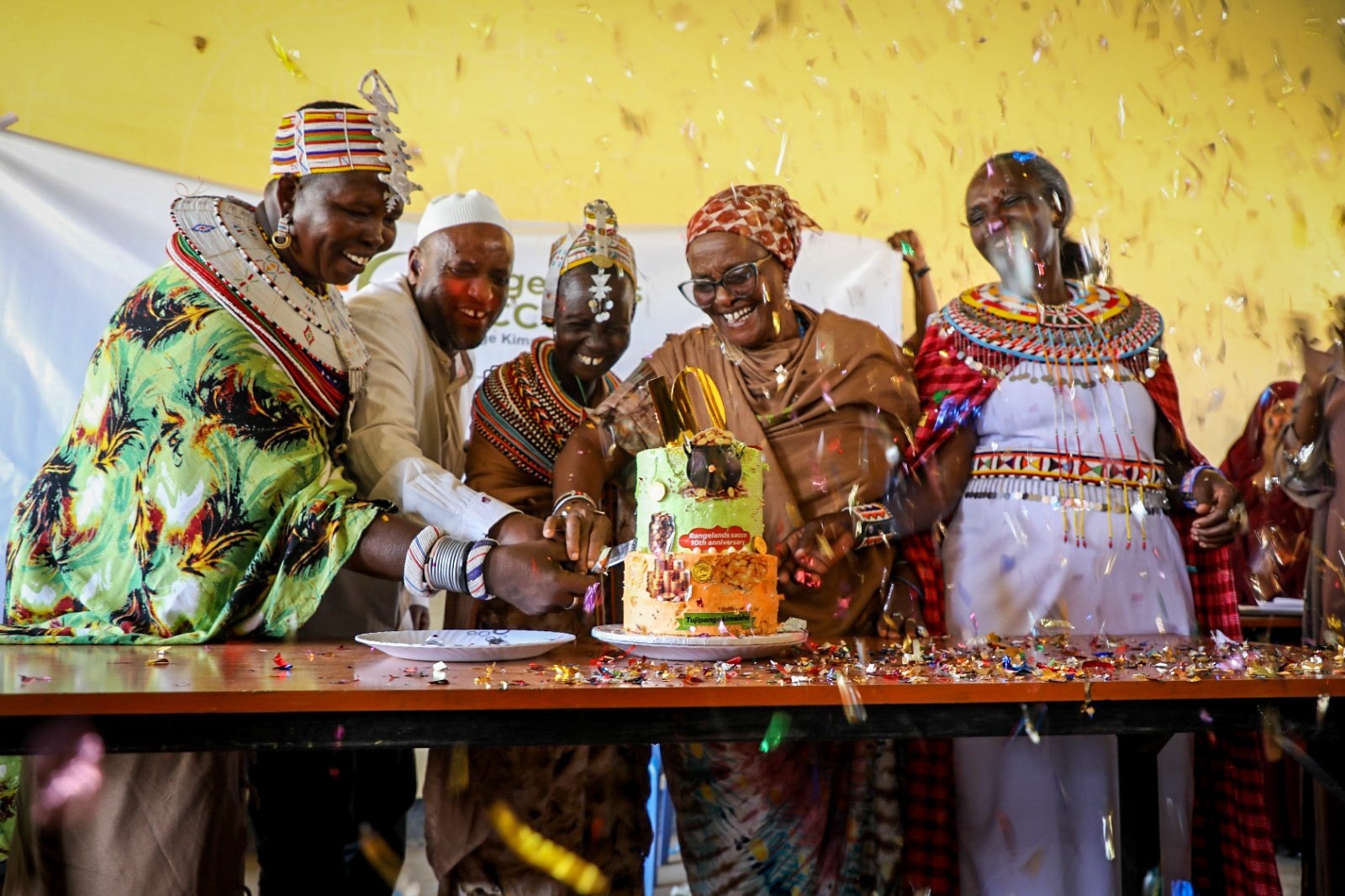
Across northern Kenya’s vast and often complex landscapes, governance is increasingly emerging as the defining factor between short-term interventions and long-term, sustainable impact. In 2025, the Northern Rangelands Trust (NRT) placed renewed emphasis on strengthening community governance systems recognising that resilient institutions are essential to sustaining conservation, livelihoods, and peace.
An independent review of NRT’s work across its conservancy network reveals a clear shift in approach.
Rather than positioning itself solely as a programme implementer, the organisation is actively transitioning into an enabling institution focused on building the capacity of community structures to lead their own development. This evolution, anchored in the NRT 2.0 strategy, reflects a deliberate move towards local ownership, accountability, and sustainability.
At the centre of this transition are community governance structures.
Across NRT’s 47 member conservancies, institutions such as Conservancy Boards, Community Land Management Committees (CLMCs), and Councils of Elders are increasingly taking on greater responsibility in decision-making, resource management, and oversight of development initiatives. These structures bring together elders, women, youth, and local leaders ensuring that governance is both inclusive and representative.
The 2025 Annual Report highlights that these conservancies continue to function as spaces of inclusive decision-making, where communities collectively guide priorities and resolve challenges .
This inclusivity is not incidental it is intentional.
By strengthening governance systems, NRT is addressing one of the most critical gaps in community-led development: the ability of local institutions to manage resources transparently, engage stakeholders effectively, and sustain programmes beyond external funding cycles.
According to Moses Wakhisi, Director of Communications at NRT:
“What we are seeing now is a deliberate shift from dependency to capability. Governance is no longer an abstract concept it is practical, visible, and increasingly owned by communities themselves. When institutions at the local level are strong, everything else conservation, livelihoods, peace becomes more sustainable.”
This perspective is echoed at the community level.
Across northern Kenya, traditional leadership structures particularly Councils of Elders continue to play a central role in governance. These institutions provide continuity, legitimacy, and cultural grounding, ensuring that modern governance frameworks are aligned with local realities.
Andrew Dokhole, Chair of the Council of Elders, reflects on this evolving role:
“For many years, elders have guided communities through difficult decisions. What is changing now is that we are working more closely with formal structures, ensuring that our knowledge and traditions are part of how conservancies are governed. This balance between tradition and structure is what makes governance strong.”
This integration of traditional and formal systems is a defining feature of NRT’s approach.
It ensures that governance is not imposed, but built from within combining established cultural practices with modern principles of accountability, transparency, and legal compliance.
At the grassroots level, the impact of these changes is increasingly visible.
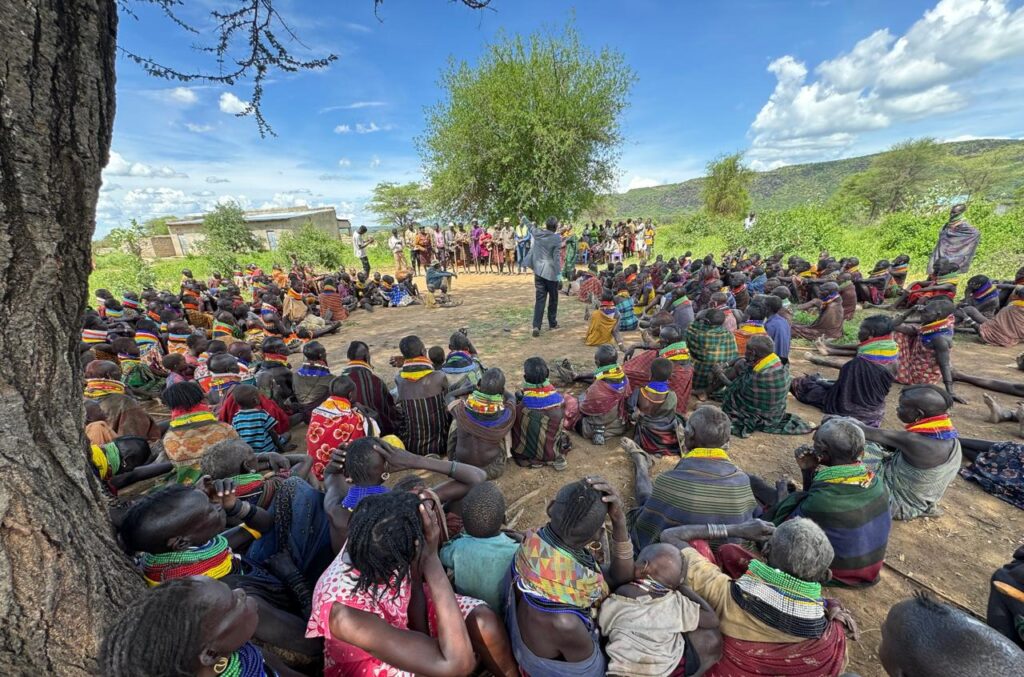
Community members are more engaged in decision-making processes, with greater awareness of how resources are allocated and how projects are implemented. This has strengthened trust within communities and improved the effectiveness of conservancy operations.
A community member from one of the NRT conservancies describes this shift:
“Before, decisions were not always clear to everyone. Now, we sit together, we discuss, and we agree. We know what is happening in our conservancy, and we feel part of it. That is what makes it work.”
This sense of ownership is critical.
It is what enables communities to sustain initiatives, manage resources responsibly, and navigate challenges independently. It also strengthens the link between governance and other impact areas including peacebuilding, livelihoods, and conservation.
Importantly, governance strengthening is also enabling conservancies to engage more effectively with external stakeholders.
As county governments increasingly recognise the conservancy model, and as new opportunities emerge within climate finance and enterprise development, strong governance systems position communities to access and manage these opportunities responsibly.
CEO Vishal Shah has consistently emphasised this strategic direction:
“The future of NRT lies in strong, self-reliant conservancies. Our role is to support systems governance, financial management, partnerships that allow communities to lead with confidence and credibility.”
The importance of this shift is particularly evident in the context of broader institutional and funding challenges.
In 2025 as a result of USAID stop work order, NRT navigated financial constraints and organisational restructuring and governance strengthening remained a priority. This reflects a clear understanding that sustainable impact depends not on the scale of funding alone, but on the strength of systems. Things are better looking for the year 2026
For the organisation, governance is not a supporting function it is the foundation.
As communities take on greater responsibility, continued support in capacity building, legal frameworks, and institutional development will be essential. Strengthening governance is not a one-time intervention it is a continuous process that evolves alongside communities and their changing needs.
In northern Kenya, the future of conservation and development will not be determined solely by resources but by the systems that manage them.
Through its deliberate and evolving approach, the Northern Rangelands Trust is ensuring that these systems are not only in place but strong enough to endure.