
Women Leaders Champion Empowerment at High-Level Breakfast Meeting

Hon. Dr. Monica Juma delivers her remarks during the high-level women leaders’ breakfast meeting
By Winnie Atieno
Women leaders on Tuesday gathered in Nairobi for a high-level breakfast meeting that focused on championing women’s empowerment through access to opportunities such as loans, land, irrigation, mentorship, and recognition programs.
The forum highlighted the need for collaboration between government, private sector, NGOs, and communities to uplift women in different spheres of life, including widows, youth, and women already working in industries without formal qualifications.
Speaking during the event, the guest speaker Hon. Dr. Monica Juma stressed the importance of creating sustainable opportunities that allow women to be self-reliant, noting that empowerment should go beyond financial support to include mentorship and access to markets. She also underscored the importance of solidarity among women, saying:
“Each one of us has an obligation to give a hand to the next woman and keep their lights high”.
” We celebrate women in the sphere. Women are the ones who hold the fabric of our nation together.”She added
Lady Justice Hellen Omollo, President of the International Association of Women Judges, read a speech on behalf of Chief Justice Martha Koome, who emphasized that women’s empowerment is not optional but a legal and moral obligation.
“Women’s empowerment is not a favor or an act of charity, it is a constitutional imperative, a human rights obligation, and an economic necessity,” read the Chief Justice’s statement.
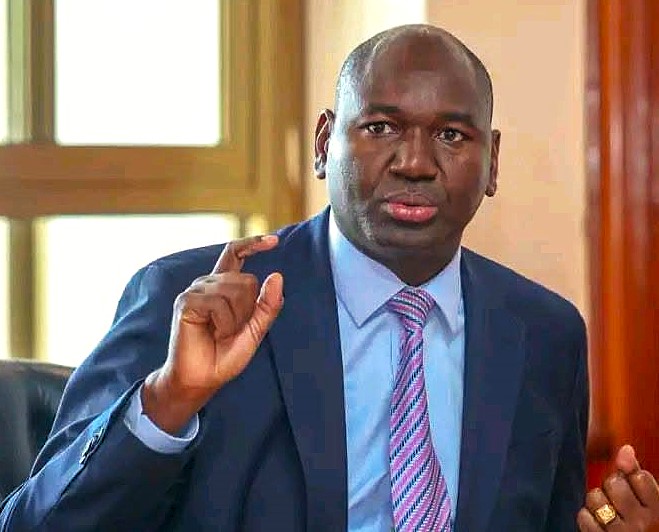
Tourism Fund Chair Mr. Samson Kipkoech highlighted the role of capacity building in advancing women’s empowerment, pointing to the Recognition of Prior Learning program that certifies women already working in the tourism and hospitality sector without formal qualifications.
“We have already taken 4,000 people since the inception of the program,” Mr. Kipkoech said.
Hon Harriette Chigai who is the president’s advisor on women rights, urged participants to focus on systemic reforms that protect women’s rights and create sustainable results.
“Our task is to build systems that safeguard women’s rights and deliver results on scale,” she said, adding that widows were prioritized because they remain a neglected group.
Also speaking, Ms. Bella Namangu, an advocate for women’s empowerment and strategic partnership at Access Africa, emphasized the role of innovation and government grants in uplifting women and youth. She pointed to the importance of evidence-based programs, saying:
“We need to collect a lot of data in collaboration with government and offices represented here, so that women and young people can showcase their capabilities.”
The meeting concluded with a strong call for collaboration between institutions and communities to ensure that women across all sectors can fully participate in economic growth and achieve lasting empowerment.