
One Year After Vetting Decree Abolished but Millions of Kenyans Still Locked Out

Staff-at-the-Nubian-Rights-Offices-in-Makina-Kibera.
Nairobi, Kenya: One year after the government abolished the long-standing and discriminatory vetting process for national identity cards, ID registration in Kenya has become faster and more accessible.
However, millions of Kenyans remain undocumented, with civil society groups warning that the legacy of decades of exclusion continues to deny many citizens their constitutional rights.
The presidential decree, issued early in February 2024, ended a system that for years blocked citizens from obtaining national IDs based on religion, ethnicity, or geographic location. Since then, the government has scrapped vetting committees, introduced new registration guidelines, waived fees for first-time applicants, and significantly reduced ID processing timelines.
While these reforms mark a critical step toward inclusion, civil society organizations (CSOs)say they fall short of addressing the historical injustice faced by communities that were systematically excluded from documentation.
The CSOs groups include; Nubian Rights Forum, Namati Kenya, Haki Centre, Pastoralists Rights and Advocacy Network (ParaNET) and Haki na Sheria Initiative which are a coalition of human rights groups working together in Kenya, primarily focused on fighting for citizenship rights, ending statelessness, and promoting social justice.
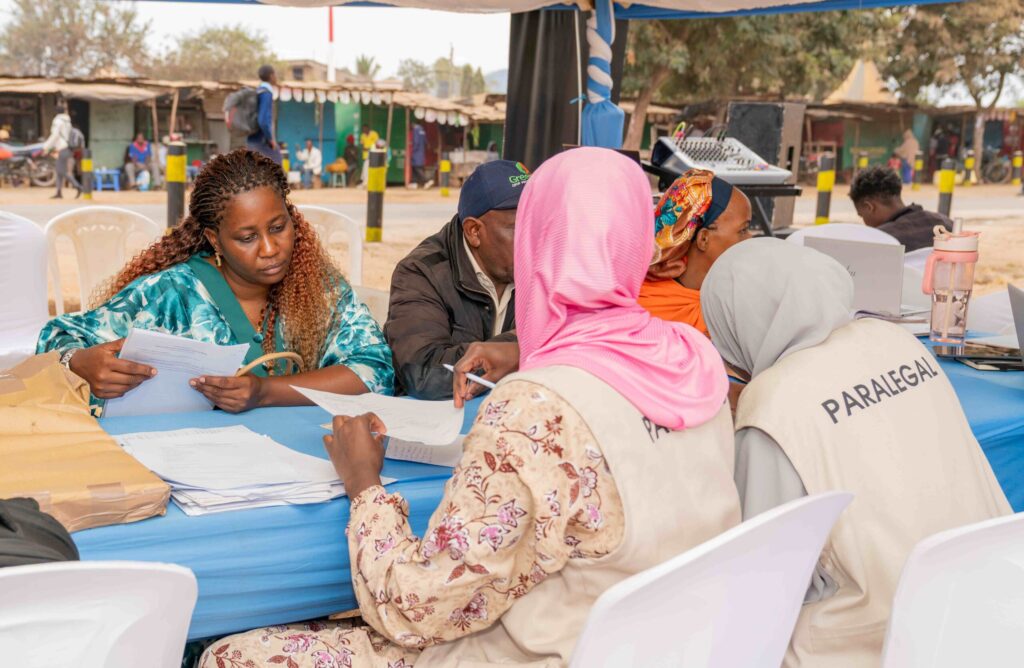
“Ending vetting was a monumental and necessary intervention,” the organizations said in a joint statement. “But for millions of Kenyans who were never documented in the first place, the end of vetting has not yet translated into the beginning of full citizenship.”
According to the groups, the reforms have largely benefited new applicants, leaving behind those who were previously rejected or discouraged from applying under the old vetting regime. Many citizens continue to hold expired “waiting cards,” while others have no documentation at all after years of being turned away.
“Abolishing vetting was an important first step in restoring constitutionally guaranteed citizenship rights,” the statement noted. “However, it did not remedy the historical legacy of exclusion. Many Kenyan citizens remain in limbo.”
One such case is that of Adan Ibrahim, a 47-year-old resident of Bula Elbe in Wajir County. Ibrahim lost his waiting card in 1997 after it accidentally fell into a well while he was grazing livestock.
Despite multiple attempts to reapply, he has never received an ID due to repeated vetting requirements. His experience, the organizations say, reflects the struggles faced by many Kenyans from historically marginalized regions.
The groups also raised concern over inconsistent implementation of the new ID registration guidelines. In some areas, registration officers reportedly continue to subject applicants to extra scrutiny, effectively perpetuating vetting under a different guise.
Beyond individual cases, entire families remain undocumented, including children without birth certificates because their parents were denied IDs. Without targeted intervention, the organizations warn, undocumented status will continue to be passed from one generation to the next.
As Kenya marks one year since the vetting decree, civil society organizations and affected communities are urging the government to take further action to dismantle the legacy of exclusion. They have called for:
- Amendments to the Registration of Persons Act to remove Sections 8(1a) and 16(ba), anchoring the presidential decree in law and preventing the reintroduction of vetting.
- The establishment of independent grievance and appeals mechanisms for delayed or rejected ID applications.
- Affirmative action measures to ensure undocumented citizens and those excluded under past vetting procedures can access national IDs.
- Expanded outreach through the Usajili Mashinani initiative and increased mobile registration, particularly in rural, underserved, and nomadic areas, including targeted campaigns for holders of waiting cards.
- Clear, public guidelines and enhanced training for registrars to ensure consistent and non-discriminatory processing of ID applications nationwide.
“While progress has been made, the promise of equal inclusion remains unfulfilled,” the statement said. Adding, that the government must now fully address the historical injustice of exclusion and ensure that every Kenyan enjoys equal access to citizenship documentation.”