

NYOTA Project Launches Business Training for 230 Youth in Makadara Constituency
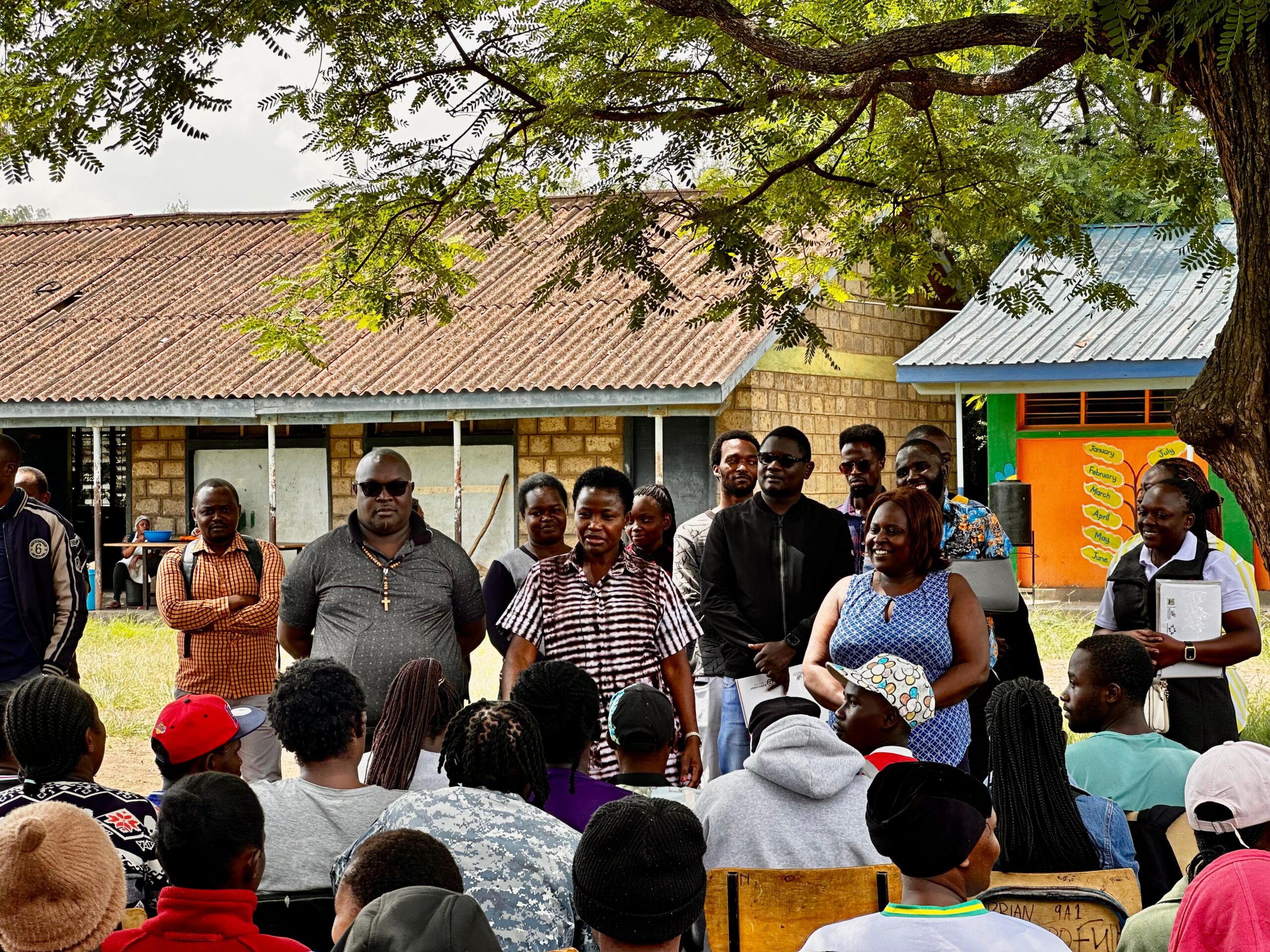
Youth from Hamza, Viwandani, Harambee, and Makongeni wards attend the four-day NYOTA Project business training at Rabai Road Primary School in Makadara Constituency.
The NYOTA Project has officially kicked off a four-day business training program in Makadara Constituency, bringing together 230 beneficiaries from Hamza, Viwandani, Harambee, and Makongeni wards. The training is taking place at Rabai Road Primary School and is designed to equip young people with practical skills to identify, understand, and actualize business opportunities within their communities.
The initiative forms part of the national effort to empower youth with relevant knowledge in entrepreneurship and create a generation capable of initiating, sustaining, and scaling up their own enterprises. It aims to bridge the knowledge and skills gap that often prevents young people from venturing into business or transforming their ideas into viable enterprises.
Throughout the training period, the participants are expected to engage in sessions covering business planning, financial literacy, market understanding, customer relations, innovation, and the management of small and medium-sized enterprises. Trainers are using interactive learning approaches, including group discussions, case studies, and practical exercises, to help the beneficiaries fully understand key concepts.
According to the facilitators, the curriculum is tailored to address the immediate needs of youth entrepreneurs in Makadara, many of whom face challenges such as limited capital, inadequate business management knowledge, and difficulties accessing market information. The program therefore focuses not only on theoretical knowledge but also on practical skills that can be applied immediately within the local business environment.
Upon successful completion of the classroom training, the NYOTA Project will proceed with a phased disbursement of the start-up grant. The grant will support beneficiaries in operationalizing their business ideas or strengthening existing ventures that require financial support to grow. The phased model has been chosen to ensure accountability, proper monitoring, and continuous guidance to the young entrepreneurs as they implement their business plans.
The disbursement phase is expected to mark a crucial turning point for many participants who have been struggling to access the initial capital required to start or expand their businesses. By linking the grant to the training, the project aims to promote responsible financial management and encourage youth to implement what they have learned during the sessions.
Following the grant phase, the beneficiaries will take part in a three-day experiential program. This phase is designed to expose the youth to real business environments and help them understand how different enterprises operate within the local ecosystem. Participants will visit established businesses, interact with experienced entrepreneurs, and gain firsthand knowledge of market operations, customer engagement, and daily business management.
The experiential program is expected to strengthen the participants’ practical understanding of entrepreneurship by placing them directly within functioning business settings. Through these engagements, they will observe real-world challenges, evaluate different business models, and learn how entrepreneurs navigate competition, supply chain demands, and financial constraints.
The NYOTA Project team emphasizes that the experiential component is a critical step toward nurturing entrepreneurs who are not only knowledgeable but also adaptable and capable of identifying opportunities in dynamic market environments. The interaction with established business owners will also open avenues for mentorship and future collaborations, which can be instrumental in the early stages of business growth.
Local leaders and community representatives in Makadara Constituency have expressed optimism about the program’s impact. They believe that empowering youth with practical entrepreneurial skills will significantly reduce unemployment, curb dependency, and encourage innovation. Many have noted that the wards represented in the program H amza, Viwandani, Harambee, and Makongenihave a high population of young people with untapped potential.
The NYOTA Project is also expected to contribute to community development. By equipping the youth with the right tools and resources, the initiative aims to foster self-reliance and encourage the establishment of businesses that can provide goods, services, and employment within the constituency. This, in turn, is projected to contribute to local economic growth and improved livelihoods.
Several participants have expressed gratitude for the opportunity, noting that such programs are rare and greatly needed. Many shared that they have long harbored business ideas but lacked the training or capital required to move forward. For them, the NYOTA Project represents hope, empowerment, and a pathway toward financial independence.
As the four-day classroom training continues, facilitators remain committed to ensuring that every participant receives adequate support, guidance, and mentorship. They emphasize the importance of youth taking an active role in building their communities through entrepreneurship and encourage them to apply the concepts learned in real-life situations.
The NYOTA Project continues to demonstrate the value of structured youth empowerment programs. By combining training, financial support, and experiential learning, it offers a holistic approach to entrepreneurship development. The Makadara cohort will join many others across the country who have benefited from similar initiatives and who are now applying their knowledge to create sustainable income-generating ventures.
The project’s success in Makadara will likely pave the way for future training programs and broader partnerships aimed at expanding opportunities for young entrepreneurs across Nairobi and beyond. As the beneficiaries progress through each phase, the community and stakeholders will be watching closely to witness the transformation that the NYOTA Project seeks to inspire among the youth.