

Mara River Under Threat as Scientists Call for Urgent Conservation Action
The National Museums of Kenya (NMK) has launched the Mara River Basin Exhibition at its headquarters in Nairobi, highlighting findings from 15 years of scientific research on one of East Africa’s most important river systems.
The exhibition, unveiled on Thursday, March 5, 2026, showcases research conducted under the Mara Wildlife Subsidies Research Program (MWSP). It translates complex ecological research into accessible information for policymakers, communities, and the general public, while emphasizing the urgent need to protect the river.
The exhibition traces the journey of the Mara River from its headwaters in the Mau Forest Complex through the renowned Mara–Serengeti ecosystem and into its delta where it drains into Lake Victoria. It highlights the river’s ecosystem services, the connection between terrestrial wildlife and aquatic systems, and the social and economic importance of the river to communities in both Kenya and Tanzania.
The exhibition also draws attention to emerging threats facing the basin, including deforestation, land-use change, pollution, human–wildlife conflict, climate change, competition for water resources, and increasing incidents of fish die-offs.
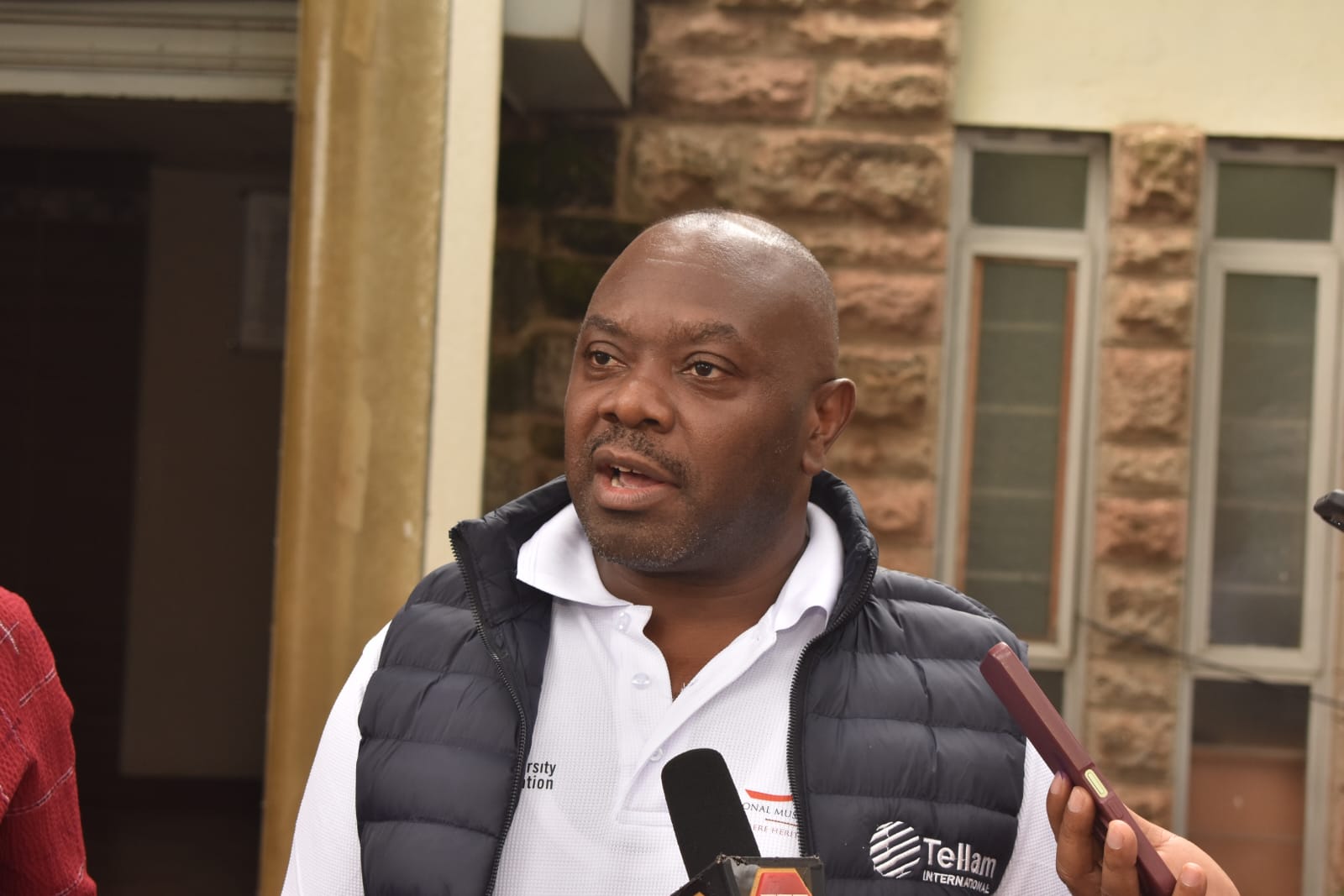
Speaking during the launch, the Principal Project Investigator at NMK, Edward Njagi, said the initiative aims to make scientific findings about the Mara River accessible to policymakers, local communities, schoolchildren, and the wider public.
“We are launching this now because, despite the Mara River being very important to wildlife and people, it is undergoing many challenges due to climate change and human activities,” Njagi said.
“If urgent measures are not taken, we are going to lose it. Losing the Mara River means losing livelihoods and tourism, which is a major income-generating activity for this country.”
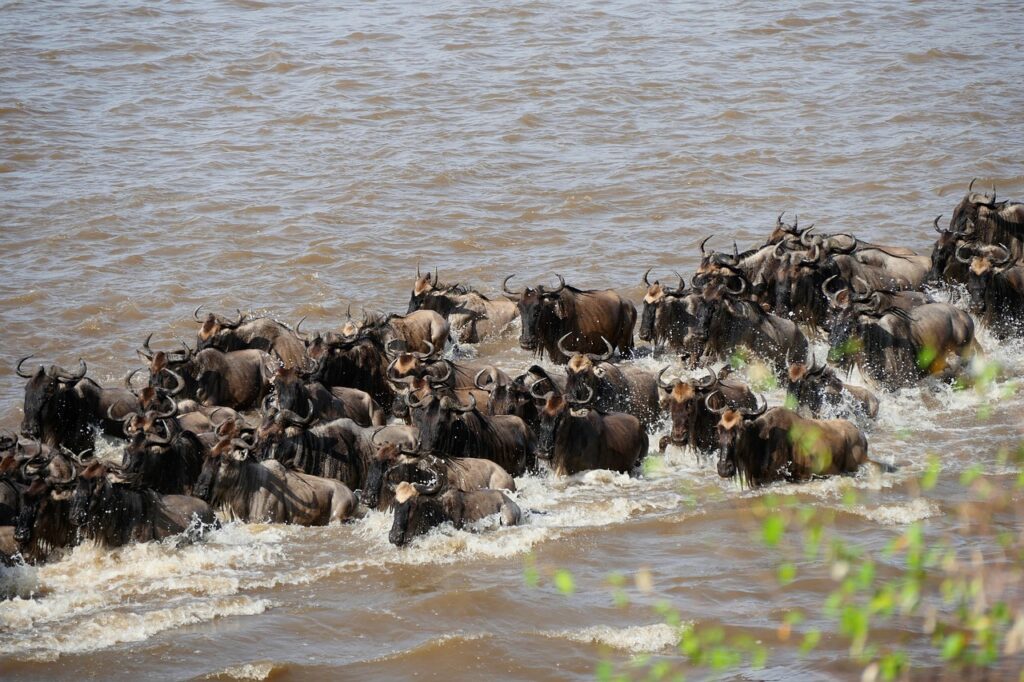
Njagi explained that the research followed the river’s course from its source in the Mau Forest, through the Mara–Serengeti ecosystem, and into the Mara wetlands in Tanzania before draining into Lake Victoria.
Traditionally, he noted, scientific findings are published in complex technical journals that are difficult for the general public to understand.
“This publication translates research into simple language that can be understood by scientists, managers, schoolchildren, and the public,” he said. “It follows the river’s journey from source to delta and highlights the importance of every segment for both human and ecological wellbeing.”
According to Njagi, the Mara River is increasingly under pressure from climate change, natural environmental shifts, and human activities such as agriculture and unregulated land use. He warned that declining water levels could have severe consequences for wildlife, tourism, and communities that depend on the river.
“The river levels are going down every year. If urgent measures are not taken, the consequences will be severe,” he said.
The research also examined the health of aquatic ecosystems by studying fish populations and other organisms that act as indicators of water quality. Njagi said agricultural pollution is a major contributor to deteriorating water quality.
“One of the major contributors to water quality deterioration is pollution from agriculture. Chemicals from farms are washed into the river during rains and are consumed by fish, sometimes causing large-scale mortality,” he said.
Njagi emphasized that the findings will support awareness campaigns and encourage stakeholders to adopt sustainable land-use practices. He also cautioned against large-scale dam construction along the river.
“In small-scale instances, dams may be acceptable, but large dams would drastically reduce river discharge, creating a major threat to the life of the river,” he said.
The research findings are also expected to promote cross-border cooperation between Kenya and Tanzania in managing the river basin.
“We are bringing many stakeholders together from both countries to ensure everyone contributes to conserving the Mara River. By making this information public, it becomes everyone’s responsibility,” Njagi said.
The 15-year research project is expected to inform policy decisions on river conservation, biodiversity management, and sustainable tourism in Kenya.
Making her remarks, Principal Investigator from the University of Florida, Amanda Subalusky, described the Mara River as a unique ecosystem linking forests, wetlands, wildlife, and local communities across Kenya and Tanzania.
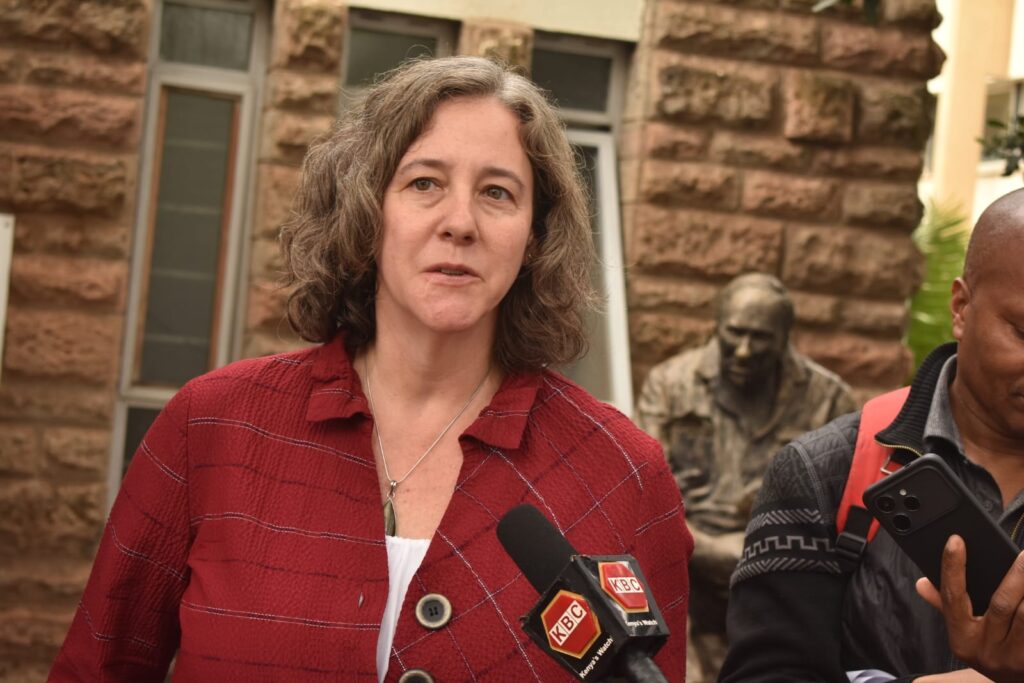
“The Mara River is a gem. It is an incredible ecosystem that connects the Mau Forest, the Mara–Serengeti, and the Mara wetlands, linking people and wildlife that depend on it,” she said.
Subalusky noted that while the region is globally known for its wildlife, the biodiversity within the river itself is often overlooked.
“Understanding the river’s biodiversity is essential for conservation. Good conservation is underpinned by good research,” she said. “To protect an ecosystem, we first need to understand how it works, what threats it faces, and what measures are needed to sustain it.”
She called on the governments of Kenya and Tanzania to implement policies that maintain environmental water flows, as required by their water management laws.
“Our work over the past 15 years has helped determine how much water the Mara River and its tributaries need to remain healthy. It is now up to government agencies to manage these flows to ensure the river continues to support people and wildlife,” she said.
Meanwhile, Assistant Professor at Randolph-Macon College, Ray Schmidt, highlighted the importance of international collaboration in addressing environmental challenges.
Schmidt said the research involved students and scientists from Kenya and the United States working together to study different aspects of the river ecosystem, including fish species and water quality.
“My role focuses on studying the fish species that live in these rivers and assessing how they are doing,” he said.
“Through international collaboration, researchers with different skills can work together to solve complex environmental problems. Over the years, students from the United States have worked with Kenyan students and researchers from the National Museums of Kenya to study these ecosystems in the field.”
He noted that such collaboration has made it possible to conduct more comprehensive research on the Mara River basin.