
Government Targets Green Investments to Unlock Kenya’s Forestry Potential
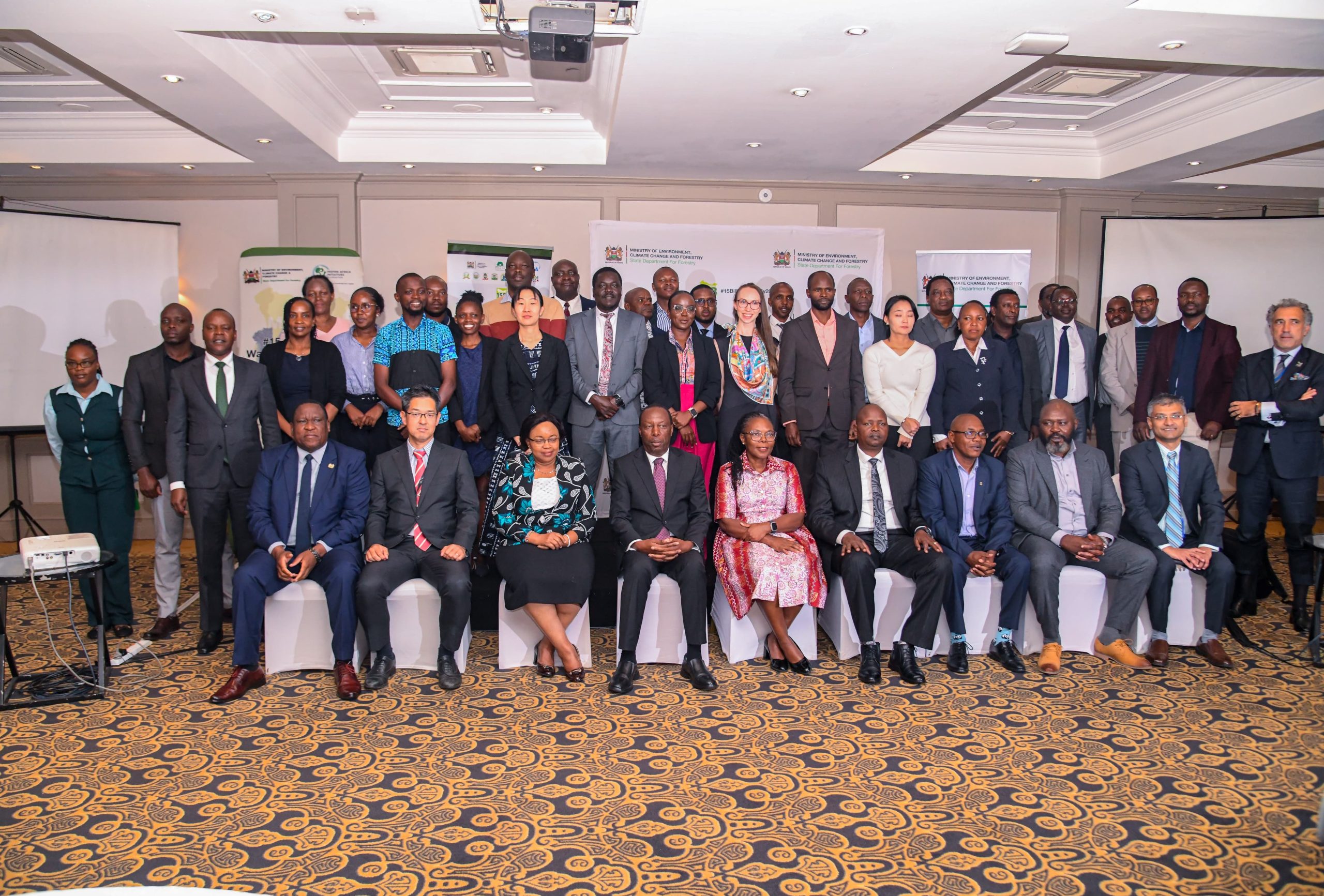
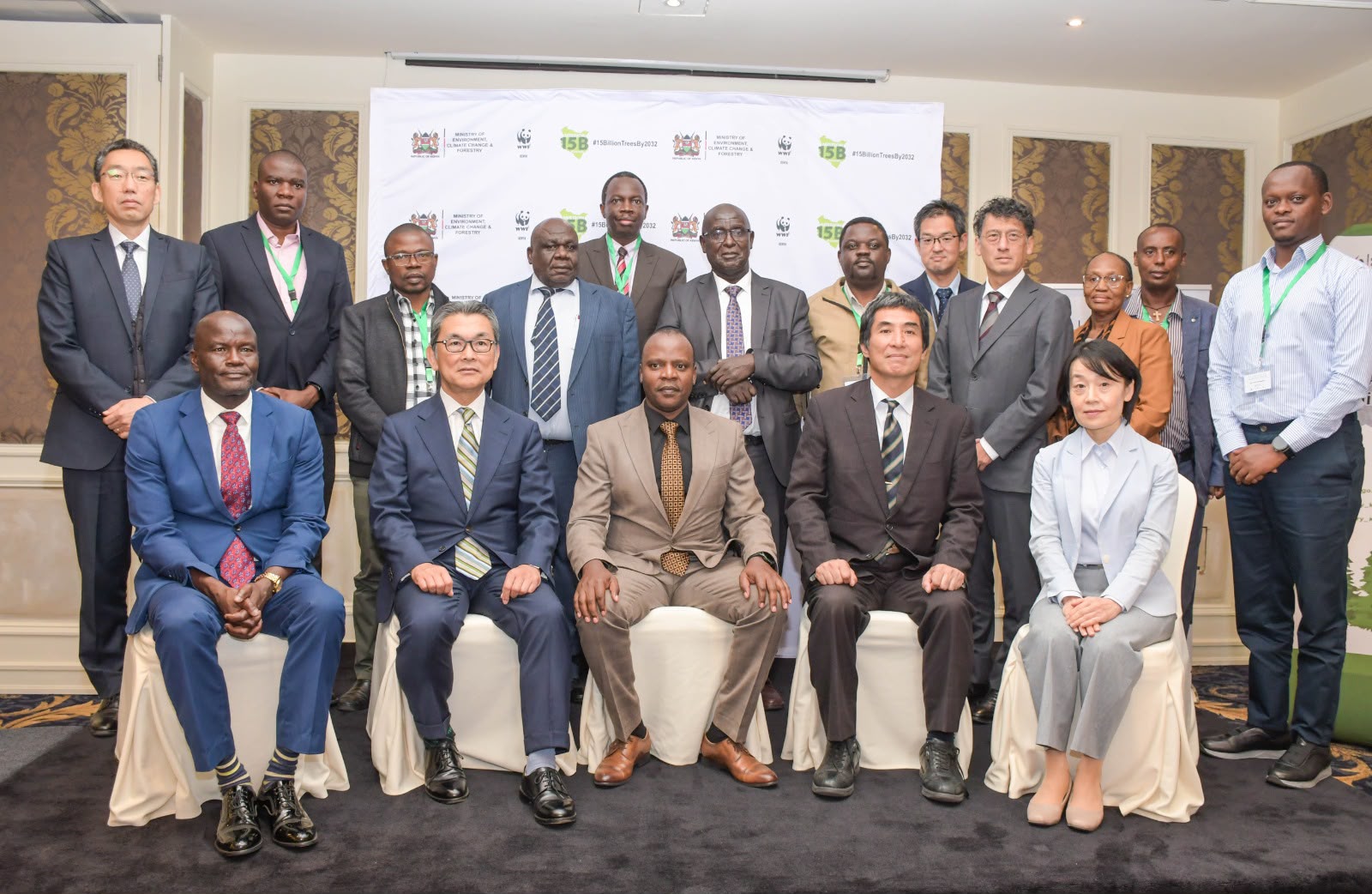
Government and private sector stakeholders pose during a roundtable breakfast meeting on unlocking opportunities in Kenya’s forestry sector in Nairobi on Wednesday July 22, 2026
The government is intensifying efforts to transform Kenya’s forestry sector into a key driver of economic growth by mobilising private sector investment, strengthening partnerships and empowering local communities to restore degraded landscapes while creating jobs and improving livelihoods.
Speaking during a media roundtable breakfast meeting on unlocking opportunities in Kenya’s forestry sector, Forestry Principal Secretary Mugambi Gitonga said the government is implementing a new restoration approach that brings together national and county governments, local communities, development partners, research institutions and the private sector to accelerate ecosystem restoration across the country.
He said the collaborative model is critical in delivering the National Landscape and Ecosystem Restoration Strategy 2023-2032.
“The success of this restoration agenda cannot be achieved by government alone. It requires a whole-of-society approach founded on partnership, collaboration, innovation and shared responsibilities,” Gitonga said.
The Principal Secretary said Kenya’s arid and semi-arid lands account for nearly 89 per cent of the country’s landmass and hold enormous untapped potential that can support biodiversity conservation, tourism, climate resilience and sustainable economic development.
However, he noted that the landscapes continue to face growing threats from land degradation, deforestation, biodiversity loss, invasive species, desertification and prolonged droughts brought about by climate change.
Gitonga said the government has developed an ambitious roadmap to restore 10.6 million hectares of degraded landscapes, describing the initiative as an opportunity not only to rehabilitate ecosystems but also to stimulate economic growth, improve food security and strengthen the resilience of communities that depend on natural resources.
“We have developed a visionary roadmap aimed at restoring 10.6 million hectares of degraded landscapes. These interventions will not only restore ecosystems but also spur economic growth, create green jobs, improve food security and strengthen community resilience,” he said.
The PS said the government is moving away from the traditional model where the Kenya Forest Service (KFS) solely handled forest restoration and is instead encouraging communities to take a leading role in conserving forests.
He revealed that a successful community-led restoration model first implemented in Kaptagat has already been replicated in two other regions and will continue to be rolled out across the country.
According to Gitonga, the Kaptagat model has demonstrated that involving communities in forest restoration not only improves conservation outcomes but also creates alternative livelihood opportunities that reduce dependence on forest resources.
He explained that many cases of forest destruction are driven by economic hardship, adding that supporting communities with sustainable income-generating activities remains one of the most effective ways of protecting forests.
The Principal Secretary called on development partners to support community forest champions through the Kenya Forestry Research Institute (KEFRI) and the Kenya Forest Service, saying local conservation initiatives require financial, technical and institutional backing to succeed.
Gitonga also announced that the government has expanded the forestry sector’s mandate to include agroforestry, with a strong focus on commercial tree farming and fruit tree production under the national 15-billion-tree growing programme. He said fruit trees will improve household nutrition while creating new income streams for farmers across the country.
The government, he added, has identified cocoa, avocado and palm oil as priority value chains capable of transforming the forestry sector into a major contributor to Kenya’s economy. Gitonga revealed that Kenya is targeting the planting of one billion cocoa trees, saying the initiative has the potential to generate up to one trillion shillings in income while creating thousands of employment opportunities.
He further disclosed that the government plans to significantly expand avocado production and increase local palm oil cultivation to reduce the country’s dependence on imported cooking oil. He appealed to development partners, investors and the private sector to support the programme by providing quality seedlings and investing in the emerging value chains.
Gitonga also highlighted innovative conservation initiatives already taking shape in communities, citing a “cow hotel” established in Kaptagat where livestock are housed and fed collectively instead of grazing inside forests. He said the initiative has improved livestock productivity while helping reduce pressure on forest ecosystems by keeping animals away from protected areas.
He challenged more Kenyans, including business leaders and professionals, to adopt sections of forests and champion restoration efforts in their local communities, saying environmental conservation should be viewed as a shared national responsibility.
“Let us combine our resources, expertise, technologies and experiences to accelerate restoration efforts across the country. Let us turn the challenge of land degradation into an opportunity for environmental recovery, economic prosperity and climate resilience,” Gitonga said.