
Government, Transport Operators Suspend Strike for One Week After Talks
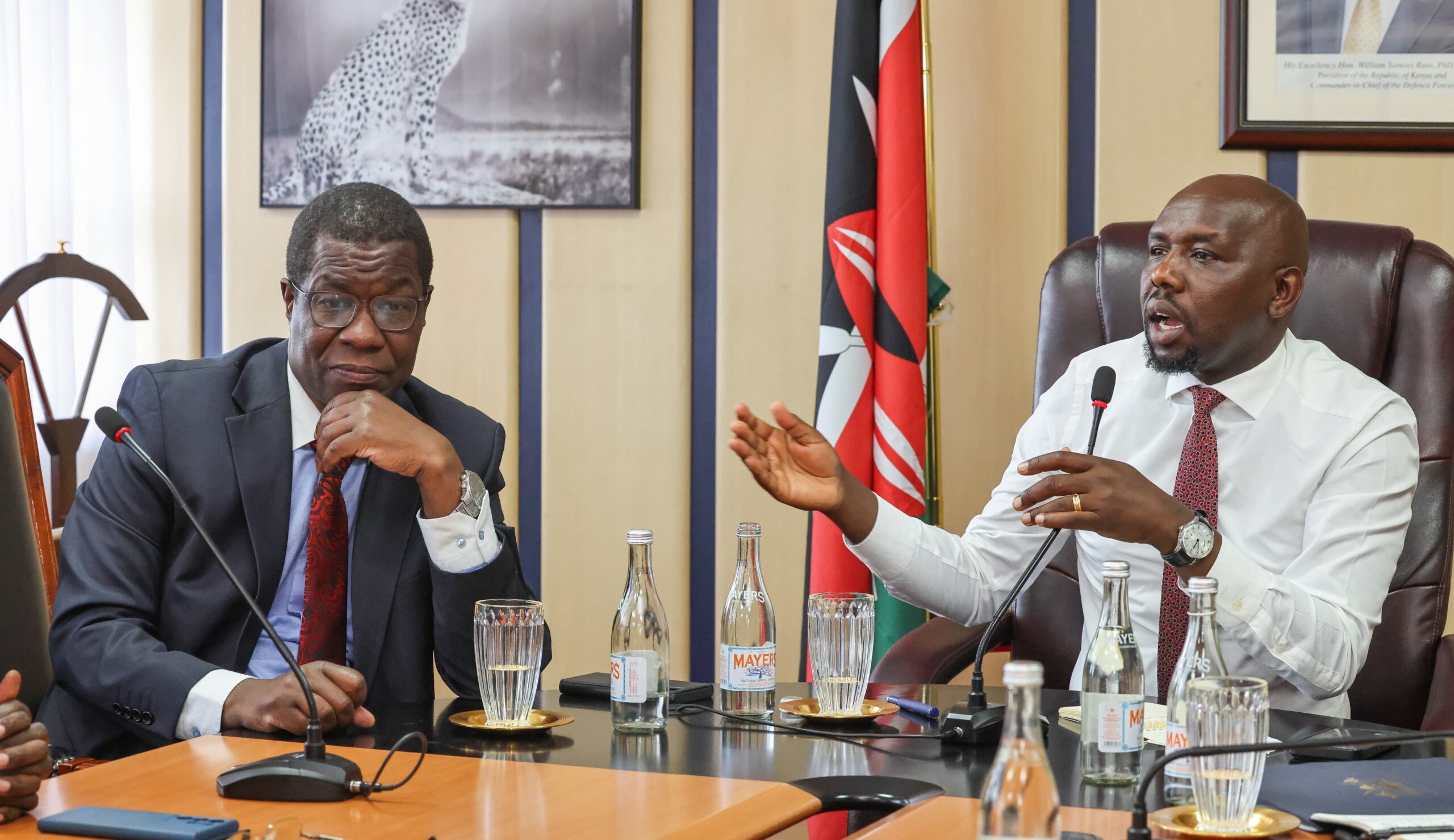
Cabinet Secretary for Interior and National Administration Kipchumba Murkomen during a past press briefing on Government interventions to address rising fuel prices and negotiations with public transport stakeholders.
The Government and public transport sector stakeholders have agreed to suspend the planned nationwide transport strike for one week to allow room for further negotiations over the rising fuel prices that have continued to burden Kenyans.
In a press statement issued on Tuesday by the Ministry of Interior and National Administration, the Government acknowledged the hardships facing wananchi due to the increasing global fuel prices linked to the ongoing Middle East crisis.
The statement noted that the Government remains aware of its responsibility to cushion Kenyans against the high cost of living and has already introduced several interventions aimed at easing the burden.
Among the measures taken include the reduction of Value Added Tax (VAT) on petroleum products by eight per cent last month. The Government has also been utilizing the Petroleum Development Levy to stabilize fuel prices across the country.
Despite these interventions, the Government admitted that fuel prices have remained high, prompting additional measures announced on Monday night. The latest intervention saw the price of diesel reduced by KSh 10 per litre in an effort to lower transport costs and ease pressure on commuters and operators in the transport sector.
Further adjustments were also made to kerosene prices in order to narrow the gap between diesel and kerosene costs. According to the statement, the move was intended to deter unscrupulous dealers from adulterating diesel with kerosene, a practice that has in the past posed safety and quality concerns.
However, public transport stakeholders maintained that the reductions were still insufficient and continued to push for a further decrease in fuel prices. The dissatisfaction had sparked fears of a nationwide strike that would have disrupted transport services and affected thousands of commuters and businesses.
Following a meeting held on Tuesday morning between Government officials and representatives from the public transport sector, the two sides reached a temporary agreement aimed at paving the way for more discussions.
The Government confirmed that both parties agreed on the need for further negotiations to address the concerns raised by stakeholders in the transport industry.
As part of the agreement, transport operators suspended the planned strike for one week to create room for continued consultations and possible resolutions.
“The strike is suspended for one week to give room for the negotiations,” the statement read.
Transport sector stakeholders also distanced themselves from the violence and destruction witnessed during protests held on Monday in some parts of the country. They condemned the chaos and clarified that they were not associated with individuals who engaged in unlawful acts.
The Government equally called on Kenyans to express their grievances through peaceful and lawful means, emphasizing its commitment to listening and responding to the concerns of citizens.
“The Government remains fully committed to addressing concerns raised by Kenyans at all times and calls for peaceful and legal means of airing grievances,” the statement added.
The latest developments come amid growing public concern over the rising cost of living, with fuel prices continuing to affect the prices of basic commodities, transport fares and other essential services.
Public transport operators have argued that the high diesel prices have made it increasingly difficult to sustain operations without increasing fares, a move that would further burden ordinary Kenyans already struggling with economic challenges.
Commuters across major towns had expressed fears of transport disruptions before the talks, with many hoping that the negotiations would yield long-term solutions to stabilize fuel prices and improve the transport sector.
Economic analysts say fuel prices remain a critical issue because they directly influence inflation and the overall cost of doing business in the country. Many businesses rely heavily on transport, meaning any increase in fuel costs is often passed down to consumers.
The Government has in recent months faced mounting pressure to introduce stronger interventions to cushion Kenyans from the impact of global economic shocks and rising commodity prices.
While the one-week suspension offers temporary relief to commuters and businesses, attention now shifts to the upcoming negotiations between the Government and transport stakeholders. Kenyans will be keenly watching to see whether the talks will produce lasting solutions capable of easing the burden on both transport operators and consumers.
Cabinet Secretary for Interior and National Administration Kipchumba Murkomen signed the statement issued on Tuesday, May 19, 2026