


Kenya Reaffirms Commitment to Global Fund Partnership in Fight Against HIV, TB and Malaria
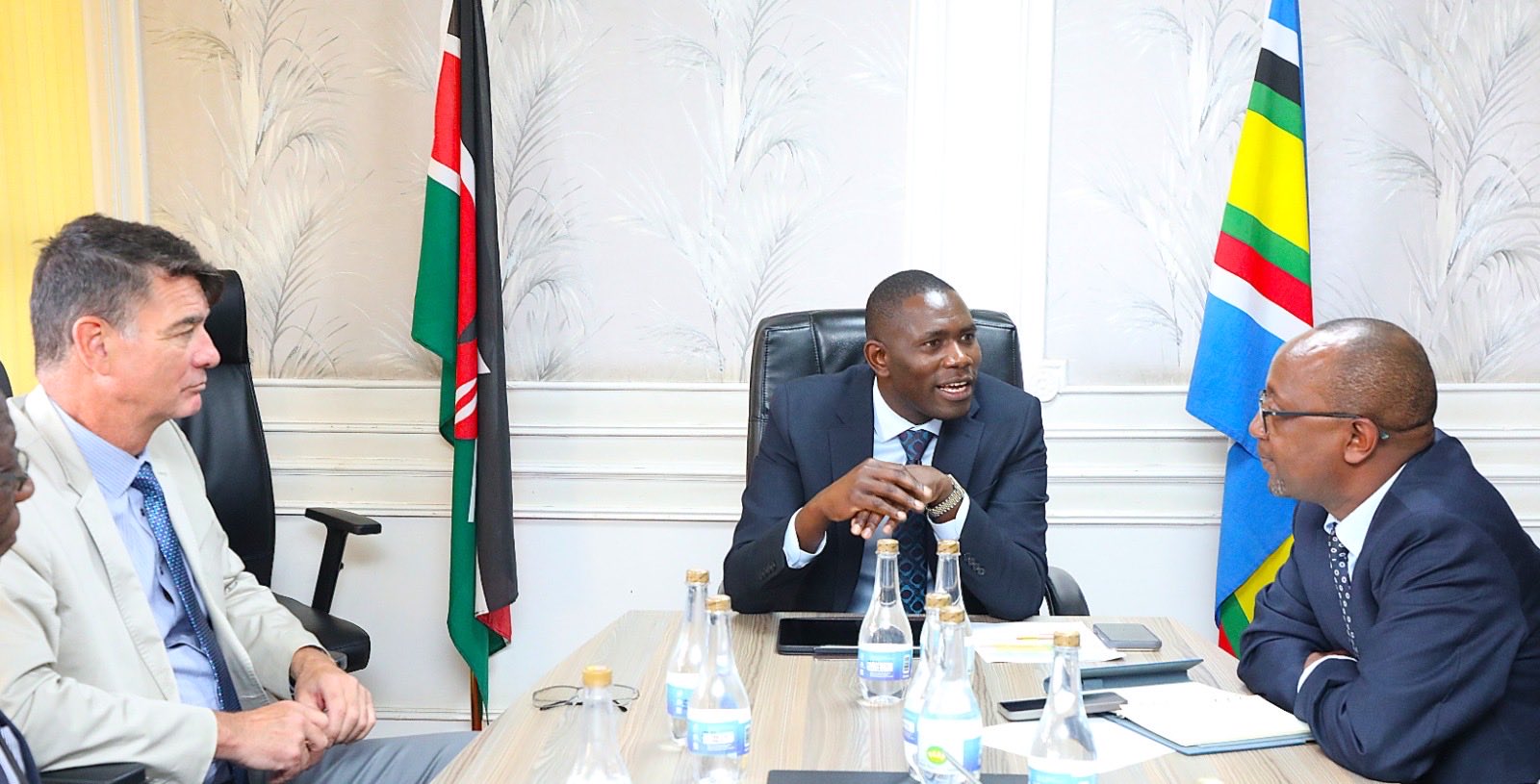
The Kenyan government has reaffirmed its commitment to strengthening the country’s response to HIV, tuberculosis (TB) and malaria through continued collaboration with the Global Fund as preparations begin for the next phase of international health financing.
Medical Services Principal Secretary Dr. Ouma Oluga made the commitment during a meeting with a Global Fund delegation led by Senior Portfolio Manager Paul MacCarrick, who paid him a courtesy call to discuss Kenya’s ongoing health programs and future funding priorities.
The meeting focused on reviewing progress achieved under Grant Cycle 7 while outlining preparations for Kenya’s Grant Cycle 8 Funding Request, which is expected to guide investments in the country’s health sector over the coming years.
Dr. Oluga said the government remains focused on ensuring that every investment made through the Global Fund translates into measurable improvements in public health while strengthening Kenya’s healthcare system.
He noted that the partnership continues to play a vital role in supporting the country’s efforts to combat HIV, TB and malaria, three diseases that remain major public health concerns.
“The Government remains committed to ensuring every Global Fund investment delivers measurable health impact, strengthens national health systems and advances Universal Health Coverage through Taifa Care,” Dr. Oluga said.
According to the principal secretary, Kenya’s proposed priorities under Grant Cycle 8 will focus on reinforcing the Social Health Authority (SHA), accelerating the adoption of digital health technologies, improving the availability and security of essential medical commodities, and building more resilient health systems.
The funding request will also emphasize the use of artificial intelligence to improve healthcare delivery, promote local manufacturing of health products and strengthen adaptive leadership to sustain gains made in the fight against HIV, TB and malaria.
Dr. Oluga said these investments are aligned with the government’s broader healthcare reform agenda under Taifa Care, which seeks to achieve Universal Health Coverage by expanding access to quality and affordable healthcare services for all Kenyans.
He added that strengthening healthcare systems will not only improve disease prevention and treatment but also enhance the country’s capacity to respond to emerging public health challenges.
The Global Fund has remained one of Kenya’s largest development partners in the health sector, supporting programs that provide lifesaving treatment, prevention services, diagnostic equipment and health system strengthening initiatives.
Through successive funding cycles, the partnership has contributed significantly to expanding access to antiretroviral therapy, improving tuberculosis diagnosis and treatment, distributing mosquito nets and supporting community-based health interventions across the country.
Dr. Oluga reaffirmed the government’s commitment to maintaining close collaboration with the Global Fund and other development partners to improve healthcare delivery and achieve better health outcomes for all Kenyans.
He said sustained partnerships, coupled with increased domestic investment in healthcare, will be critical in ensuring Kenya continues making progress toward eliminating HIV, TB and malaria as public health threats while building a stronger and more resilient healthcare system.

Thanks for another excellent article. Where else could anybody get that type of info in such an ideal way of writing? I have a presentation next week, and I am on the look for such info.