
Kenya Unveils Review of National Environment Policy to Strengthen Climate Action and Economic Growth
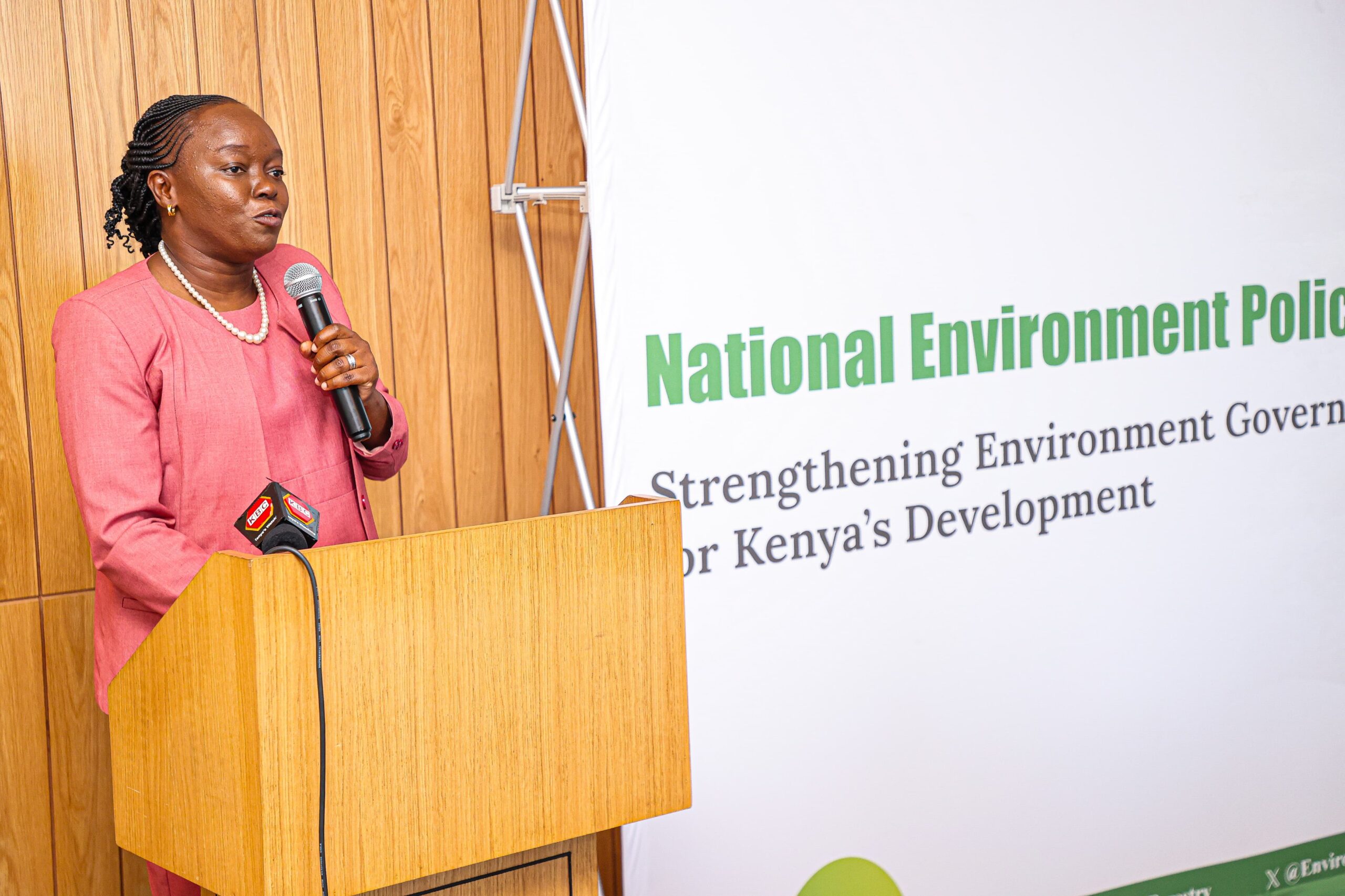
Cabinet Secretary Deborah Barasa speaks during the launch of the review of the National Environment Policy of 2013, guiding Kenya’s efforts to strengthen climate action and sustainable development
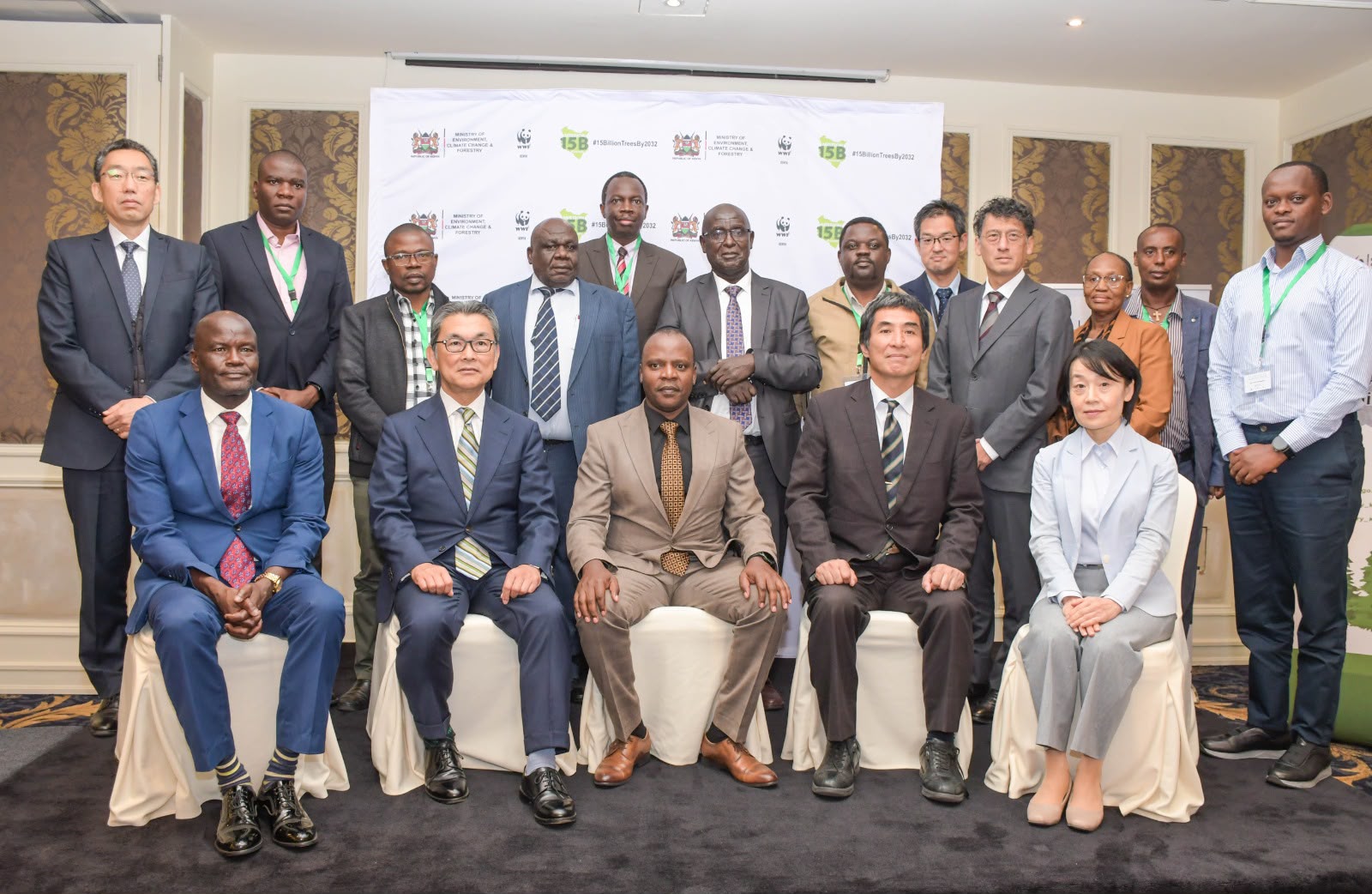
The Government has officially launched the review of the National Environment Policy of 2013, marking the start of a comprehensive process to develop an updated National Environment Policy for 2025. The review was unveiled during a stakeholder consultative forum that brought together representatives from national and county governments, development partners, civil society, academia, and the private sector.
Cabinet Secretary Deborah Barasa, leading the launch, said the policy review is a critical national undertaking focused on delivery, livelihoods, and economic transformation. She emphasized that environmental sustainability is central to Kenya’s economic and social development.
The Cabinet Secretary noted that Kenya’s environment forms the foundation of the economy, warning that when ecosystems fail, livelihoods collapse. She said the loss of forests threatens water security, land degradation weakens food systems, and unchecked pollution increases public health costs, placing a heavy burden on ordinary Kenyans.
She emphasized that the government’s bottom up economic transformation agenda cannot succeed without a healthy environment. According to Cabinet Secretary Barasa, climate shocks, biodiversity loss, and pollution disproportionately affect farmers, pastoralists, fisher folk, women, and youth, making environmental protection a matter of economic and social justice.
The Cabinet Secretary said the updated policy must serve as the overarching framework aligning national and county priorities in climate smart agriculture, sustainable water management, green industrialization, affordable energy, and resilient infrastructure. She called for open and constructive participation to ensure the final policy is implementable, measurable, and enforceable.
Cabinet Secretary Barasa also highlighted emerging opportunities in carbon markets, climate finance, and nature-based solutions, stressing that they must be governed transparently and equitably to ensure benefits reach local communities. She reaffirmed the Ministry’s commitment to providing leadership, coordination, and accountability throughout the review process.
Earlier, Principal Secretary for Environment and Climate Change, Dr. Eng. Festus Ngeno, said the review of the National Environment Policy was long overdue, noting that the current policy has been in place for more than a decade. He explained that the government deliberately chose to review the policy before amending the Environmental Management and Coordination Act to ensure legislation is guided by a modern and responsive policy framework.
Dr. Ngeno said environmental issues cut across all sectors of the economy and that the state of the environment is critical to Kenya’s development trajectory. He noted that since the adoption of the 2013 policy, environmental governance has evolved significantly due to intensifying climate change impacts, biodiversity loss, pollution, and land degradation.
He added that emerging issues such as waste management, the blue economy, green financing, and climate resilience now require renewed strategic attention. He said the review is anchored in the Constitution of Kenya, Vision 2030, the Medium Term Plan Four, and international commitments including the Paris Agreement, the Kunming-Montreal Global Biodiversity Framework, and the Sustainable Development Goals.
Dr. Ngeno emphasized that Article 42 of the Constitution guarantees every Kenyan the right to a clean and healthy environment, making the policy review a constitutional obligation. He outlined key focus areas of the review, including job creation through green and blue economy opportunities, ecosystem restoration, and climate resilience.
He highlighted the government’s commitment to growing 15 billion trees by 2032 to increase forest cover to 30 percent and protect the country’s key water towers. He said the review will also prioritize disaster risk reduction, environmental education, research, and innovation, and strengthen climate adaptation at national, county, and community levels.
Dr. Ngeno further noted that the policy will integrate sustainable finance mechanisms, technology-driven environmental monitoring, circular economy principles, and natural capital valuation to support informed decision-making across sectors. He cautioned that the review process must be genuinely participatory and that stakeholder views must be reflected in the final policy document.
The Chief Executive Officer of the Kenya Climate Innovation Centre, Mr. Joseph Murabula, welcomed the policy review, describing it as a timely and strategic exercise rather than a routine administrative process. He said the environmental and economic realities facing Kenya today are fundamentally different from those of 2013.
Mr. Murabula said the country is now confronting the triple planetary crisis of climate change, biodiversity loss, and pollution, which must be addressed as a single threat to sustainability. He noted that economic development is increasingly driven by circular economy principles, data, and innovation.
He said KCIC has supported more than 3,500 enterprises that turn environmental challenges into economic opportunities, demonstrating the power of climate entrepreneurship in driving sustainable development. According to Mr. Murabula, the new policy should create an enabling environment for climate-smart enterprises, streamline regulations for green technologies, and unlock innovative financing mechanisms to attract climate finance at scale.
He added that the updated policy must be visionary while remaining practical, capable of securing a clean, resilient, and prosperous Kenya for present and future generations.
Stakeholder consultations on the policy review are expected to continue over the coming months, with the government targeting completion of the process by the end of March. The Ministry of Environment, Climate Change, and Forestry has reiterated its commitment to a transparent and inclusive process that delivers a policy responsive to Kenya’s current realities and future aspirations.