
Gachagua Unveils Alternative Budget Plan, Demands End to Housing Levy
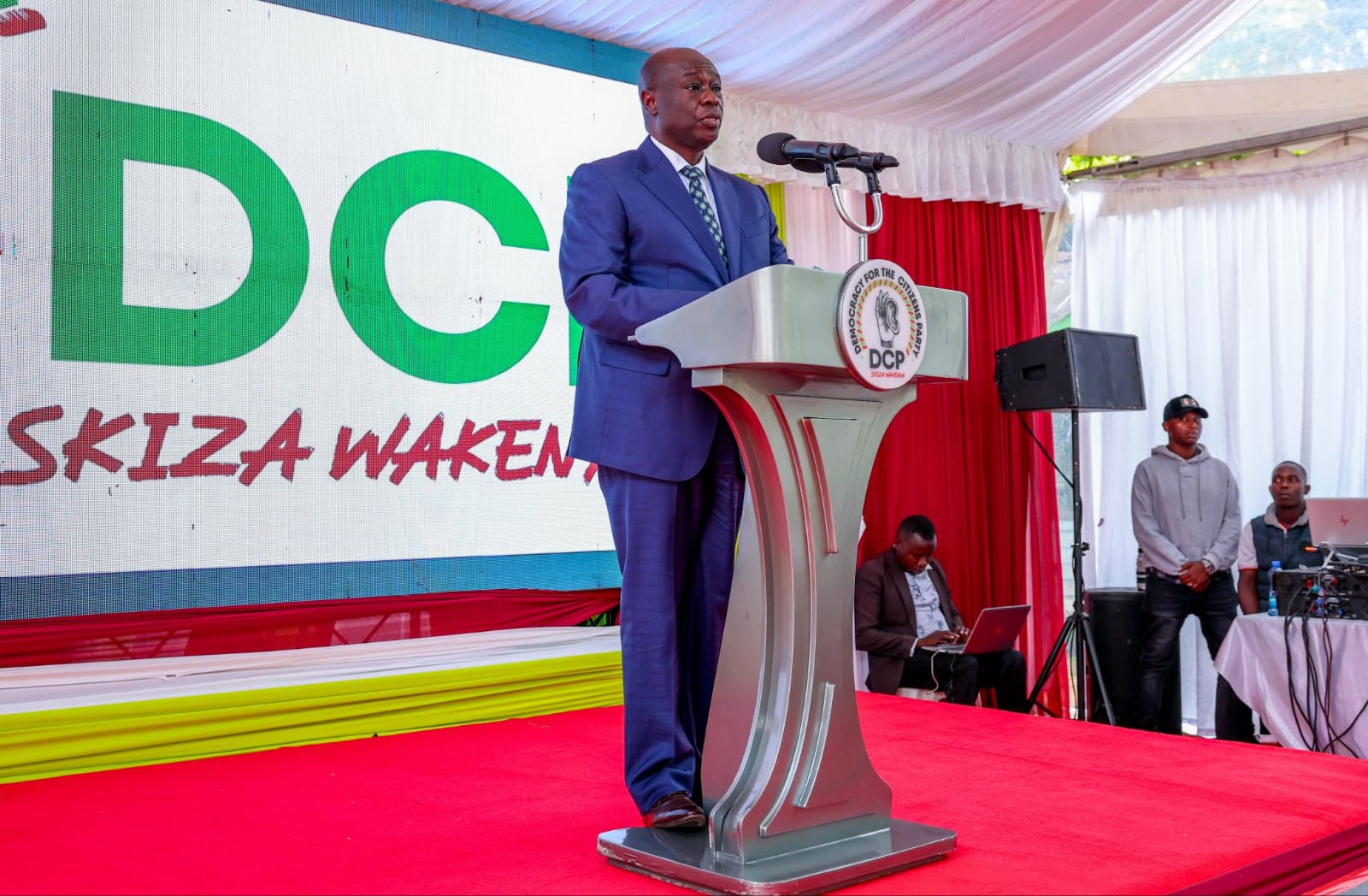
Former Deputy President Rigathi Gachagua has strongly opposed the proposed Finance Bill, describing it as punitive to ordinary Kenyans and warning that it risks worsening the country’s economic hardships.
Speaking during a public address, Gachagua accused the government of relying heavily on taxation at a time when many households and businesses are struggling with the high cost of living. He argued that instead of introducing more taxes and levies, the government should focus on cutting wasteful expenditure, strengthening accountability, and supporting key sectors that directly impact citizens.
The former Deputy President unveiled a series of proposals aimed at reducing the tax burden on Kenyans while redirecting government spending towards agriculture, healthcare, and economic recovery.
Among his key recommendations is a drastic reduction in government borrowing. Gachagua proposed cutting new borrowing from the current level of KSh1.44 trillion to zero, arguing that excessive debt has become a major burden on the country’s economy.
According to him, continued borrowing increases repayment obligations and limits the government’s ability to invest in productive sectors. He said Kenya must adopt prudent fiscal management practices and prioritize the efficient use of available resources instead of accumulating additional debt.
Gachagua also called for a significant increase in funding for the agricultural sector, which remains the backbone of Kenya’s economy. He proposed raising the agriculture budget from KSh97 billion to KSh300 billion.
He noted that agriculture employs millions of Kenyans and contributes significantly to food security, exports, and rural livelihoods. Increased funding, he said, would help support farmers through improved access to farm inputs, irrigation projects, extension services, and value addition initiatives.
The former Deputy President argued that strengthening agriculture would stimulate economic growth, create jobs, and reduce the country’s dependence on food imports.
In the healthcare sector, Gachagua proposed increasing the allocation from KSh167.4 billion to KSh450 billion. He said improved investment in healthcare would enhance access to quality medical services and reduce the financial burden faced by many families seeking treatment.
He emphasized the need to strengthen public health facilities, recruit additional healthcare workers, improve medical supplies, and expand healthcare coverage across the country.
According to Gachagua, a healthier population would contribute to higher productivity and better economic outcomes for the country.
At the same time, he called for significant cuts in public administration spending. He proposed reducing administrative expenditure from KSh354.9 billion to KSh250 billion, arguing that government resources should be directed towards development projects and essential public services rather than recurrent administrative costs.
He maintained that the government can achieve substantial savings through better management of public resources, elimination of wasteful spending, and improved efficiency within public institutions.
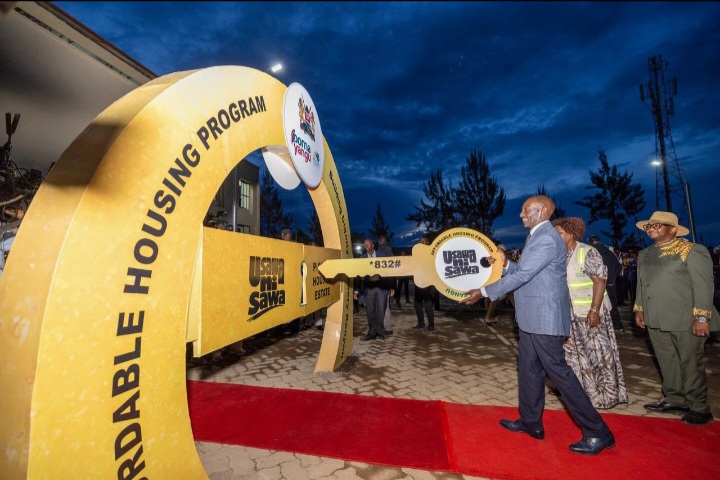
Another major proposal put forward by Gachagua is the immediate suspension of mandatory Housing Levy deductions. The levy has been a subject of public debate since its introduction, with supporters arguing that it will help address the country’s housing deficit while critics maintain that it places an additional financial burden on workers.
Gachagua said many Kenyans are already struggling with increased living costs and should not be subjected to additional deductions from their earnings. He argued that citizens should be allowed to retain more of their income to meet their daily needs and support their families.
The former Deputy President further urged the government to prioritize the settlement of pending bills owed to local businesses. He noted that many enterprises are facing financial difficulties due to delayed payments for goods and services supplied to government institutions.
According to him, clearing domestic debt would inject much-needed liquidity into the economy, improve cash flow for businesses, and help preserve jobs.
He said thousands of small and medium-sized enterprises continue to face operational challenges because of unpaid government obligations, adding that prompt settlement of pending bills would boost investor confidence and stimulate economic activity.
On governance and accountability, Gachagua called for stronger parliamentary oversight and modernization of tax collection systems. He said reforms in public finance management are necessary to ensure transparency, efficiency, and accountability in the use of taxpayers’ money.
He argued that Parliament should play a more active role in scrutinizing public expenditure and ensuring government agencies remain accountable to citizens.
The former Deputy President also proposed the adoption of modern tax administration systems aimed at improving compliance while reducing leakages and corruption.
According to him, better management of existing revenue streams would reduce the need for frequent tax increases and help create a more predictable business environment.
Gachagua maintained that Kenya’s economic challenges cannot be solved through increased taxation alone. Instead, he advocated for policies that support production, encourage investment, create jobs, and improve service delivery.
In his remarks, he delivered a strong criticism of the proposed Finance Bill, warning that it would have far-reaching consequences for ordinary citizens if implemented in its current form.
“This Finance Bill is taxing Kenyans into poverty,” said Gachagua. “It is a killer and a threat to the common mwananchi. It will break households while violating the soul of our nation.”
His comments add to the growing debate surrounding the Finance Bill, which has attracted mixed reactions from political leaders, business groups, civil society organizations, and members of the public.
As discussions continue, attention is expected to focus on whether the government will consider proposals aimed at easing the tax burden while addressing the country’s fiscal challenges and development priorities.