
Kalasha Festival Opens with Renewed Push to Fix Industry Gaps and Unlock Creative Economy Potential
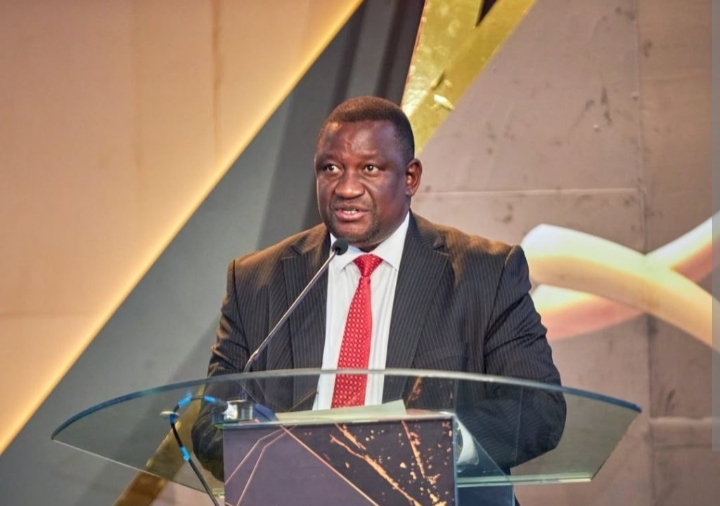
The 14th edition of the Kalasha International Film and TV Market, Festival and Awards, where industry stakeholders deliberated on strategies to strengthen Kenya’s creative sector.
The 14th edition of the Kalasha International Film and TV Market, Festival and Awards has officially opened with renewed focus on addressing structural challenges within Kenya’s creative industry and unlocking its full economic potential.
The annual event, which is one of the most significant gatherings in the country’s film and television sector, has brought together key stakeholders including filmmakers, producers, investors, policymakers and content creators from across the region. The festival serves as a platform for dialogue, networking and showcasing of local and international productions.
During the opening ceremony, Cabinet Secretary for Youth Affairs, Creative Economy and Sports, Salim Mvurya, read the Ministry’s official speech, highlighting the government’s commitment to strengthening the creative economy through deliberate and sustained efforts.
“As a Ministry, we recognise that the growth of the creative economy does not happen by chance. It requires deliberate policy formulation, strategic investment and strong institutional support,” he said.
Mvurya emphasized that the government is working towards creating an enabling environment that supports creatives at all levels. He noted that policy reforms, infrastructure development and strategic partnerships are key priorities in ensuring the sector becomes more competitive both locally and internationally.
The Cabinet Secretary further underscored the importance of the creative industry as a driver of economic growth, job creation and cultural expression. He pointed out that with the right support systems in place, the sector has the potential to significantly contribute to the country’s Gross Domestic Product.
Stakeholders at the festival reiterated the need for urgent interventions to address long-standing challenges that continue to hinder growth within the industry. Among the issues raised were limited access to financing, inadequate distribution channels, lack of structured training programmes and insufficient protection of intellectual property.
Industry players noted that while Kenya has a wealth of creative talent, many creators struggle to monetise their content effectively due to weak market structures and limited global reach. They called for stronger collaboration between the public and private sectors to build a sustainable ecosystem that supports innovation and growth.
Panel discussions held during the opening day of the festival provided a platform for in-depth conversations around these challenges. Experts from different sectors shared insights on content monetisation, digital transformation and strategies for expanding into international markets.
Participants also explored the role of technology in shaping the future of the creative industry, with emphasis placed on the growing importance of streaming platforms and digital distribution channels. Speakers highlighted the need for local creatives to adapt to changing market dynamics in order to remain competitive.
The festival also aims to bridge the gap between creatives and investors by providing opportunities for pitching projects and securing funding. Organisers noted that facilitating access to finance is critical in enabling creators to produce high-quality content that meets global standards.
In addition to policy discussions and business engagements, the Kalasha Festival continues to play a vital role in promoting Kenyan stories and culture. Through film screenings, exhibitions and awards, the event celebrates excellence in storytelling and recognises outstanding contributions within the industry.
Over the years, the festival has grown in scale and influence, positioning itself as a key driver of growth in the region’s creative sector. It has also contributed to increasing visibility of Kenyan content on the global stage.
Organisers expressed optimism that this year’s edition will not only celebrate achievements but also spark meaningful conversations that lead to tangible outcomes. They noted that sustained collaboration among stakeholders will be essential in transforming the industry and unlocking its full potential.
As the festival progresses, attention will remain on how discussions and recommendations will translate into actionable strategies that can address existing gaps and create new opportunities for creatives.
The Kalasha International Film and TV Market, Festival and Awards is expected to continue over the coming days, featuring a series of activities including workshops, networking sessions, exhibitions and award ceremonies.