
HIV/AIDS Treatment in Kenya Remains Secure Despite Global Aid Uncertainty
Kenya’s HIV treatment program remains stable despite uncertainties in global aid, with the government assuring that 1.4 million people on antiretroviral therapy (ART) will continue receiving medication uninterrupted.
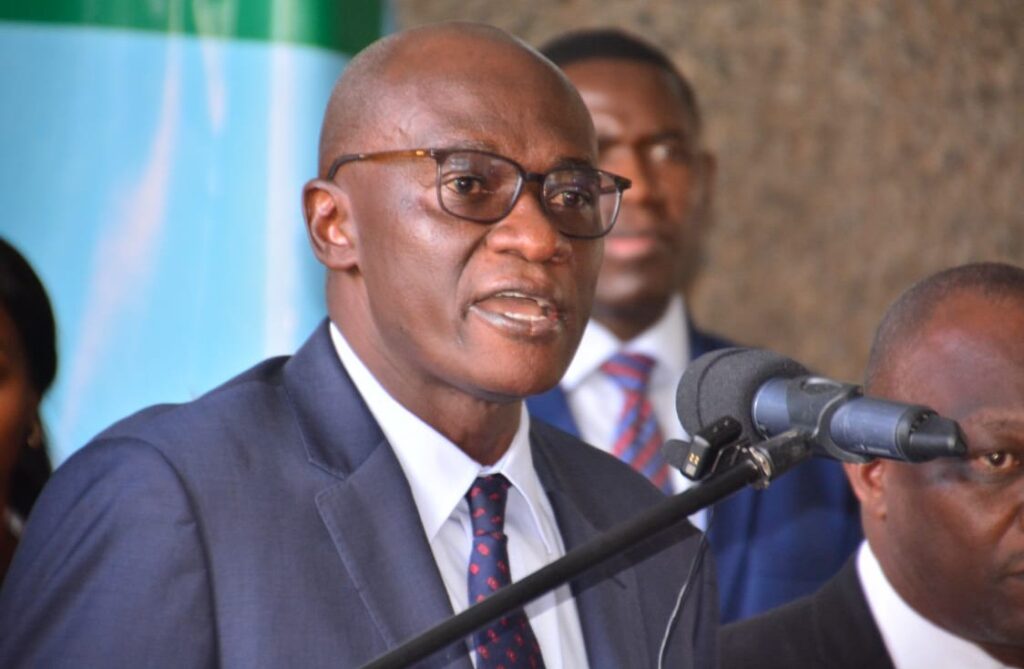
Health Director General Dr. Patrick Amoth affirmed that the country has sufficient HIV drug supplies, a strengthened supply chain, and ongoing procurement through the Global Fund, ensuring seamless service delivery.
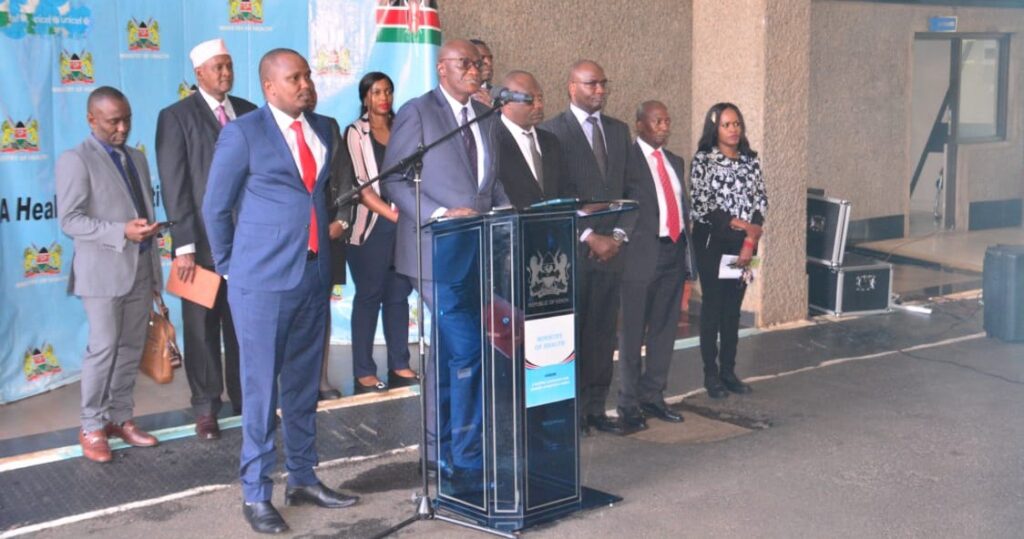
Speaking at a press briefing, Dr. Amoth addressed concerns over potential global aid disruptions, particularly following U.S. policy shifts on foreign health funding. He assured Kenyans that the country has sufficient HIV treatment supplies and a strong supply chain ensuring uninterrupted access to antiretroviral (ARVs) for the 1.4 million Kenyans on treatment.
“Kenya remains on track with its Triple 95 HIV targets, with 98 percent of people knowing their status and 98 percent of those diagnosed receiving treatment,” Dr. Amoth stated. “However, we are slightly behind on viral suppression at 94 percent, with the elimination of mother-to-child transmission remaining a key challenge.”
Despite global uncertainties, Kenya has procured additional HIV commodities through the Global Fund and continues working with Kenya Medical Supply Authority (KEMSA), county governments, and civil society to ensure seamless service delivery.
“Our focus is to shield patients from disruptions. Regardless of global politics, no Kenyan should miss treatment,” he assured.
As Kenya accelerates its digital health reforms, service integration, and domestic resource mobilization, the government urges all Kenyans to complete their SHA registration, include dependents, and undergo means testing to determine their required contributions for healthcare access.
Dr. Amoth highlighted the steady progress of the registration process, noting that the country registered an average of 276,000 new enrollees last week alone. He commended Mombasa County’s leadership under Governor Abdulswamad Nassir, which has successfully digitized 91 percent of its Level 2 health facilities and fully integrated all Level 3 hospitals into the digital system.
“Mombasa has made remarkable progress, now leading with nearly 44 percent of its population registered under the Social Health Authority (SHA). The county saw its registered users surge from 326,000 to 518,000 following a rapid results initiative,” Dr. Amoth stated.
Kenya’s digital health transformation is also improving service delivery, particularly through streamlined pre-authorization processes. Previously, multiple health professionals had to approve certain procedures, but under the new system, only the lead medical practitioner whether a clinical officer, nurse, or doctor needs to authorize an intervention.
KSh 16.5 Billion in Claims Processed as Taifa Care Expands
Since 1st October 735,000 claims worth nearly KSh. 16.5 billion have been processed through the health provider portal, with inpatient and dialysis services accounting for the highest claims. Additionally, over 1 million Kenyans have accessed treatment under the Primary Health Care Fund, reinforcing the government’s commitment to universal healthcare through Taifa Care.
“Primary healthcare is the backbone of a resilient health system. It is comprehensive, integrated, and promotes equity,” Dr. Amoth emphasized.