
End FGM By 2030; Advocates Urge Urgent Action, Survivor Justice and Community-Led Solutions

Global health and rights advocates are warning that the world is falling behind on its commitment to eliminate Female Genital Mutilation/Cutting (FGM/C) by 2030, even as the number of affected women and girls continues to rise.
The concerns were raised during a SHE & Rights (Sexual Health with Equity & Rights) session held to mark the International Day of Zero Tolerance for FGM/C, while also reflecting on menstrual health rights, community-driven responses to breast cancer, Sustainable Development Goal 5 on gender equality.
Opening the discussion, Shobha Shukla, Founding Executive Director of CNS and coordinator of the SHE & Rights platform, described FGM as one of the gravest violations of human rights, noting that global promises have not translated into sufficient action.
At the 2015 UN General Assembly, world leaders pledged to end FGM by 2030. However, According to the World Health Organization (W.H.O), data shows that the number of affected women and girls has increased by 15 percent from 200 million in 2016 to more than 230 million in 2024. W.H.O recognizes FGM as a violation of the human rights of girls and women, with lifelong physical, psychological and social consequences.
“According to the WHO, the practice of female genital mutilation or cutting is recognised internationally as a violation of human rights of girls and women. Today’s session also marks 20th anniversary of Universal Periodic Review (UPR). FGM is also one of the indicators for UPR”, said Shobha.
Shukla stressed that accountability mechanisms such as the UPR must be strengthened to ensure governments protect gender equality and the right to health for all.
“Let us make our accountability mechanisms like UPR more effective in ensuring that gender equality and human rights to health are protected and guaranteed to every person leaving no one behind”, she said.
Survivor Perspective: Ending FGM Starts Within Communities

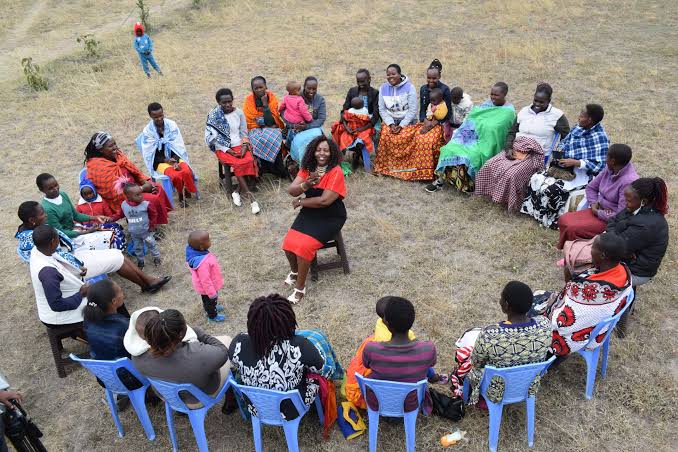
Kenyan nurse and FGM survivor Catherine Menganyi shared her lived experience, explaining that her advocacy is rooted in personal pain and community realities rather than policy spaces.
Her journey began after she was subjected to medicalized FGM as a young girl, an experience she says left deep psychosocial trauma. Now working in Migori and co-leading Women in Global Health Kenya, she advocates for protecting girls and confronting gender-based violence at the grassroots level.
“‘My journey on ending female genital mutilation did not begin in an office. So that’s what I usually say. It’s all about the community. As a survivor of FGM,my journey began when I knew where the shoe hurts most. Speaking from a perspective of experience, perspective of pain, today is a very important day where we need to ask ourselves where do we come in in this conversation of ending female genital mutilation, especially in this time and era where it’s supposed to end.Catherine was a very young girl who was subjected to medicalised FGM and that was the first and turning point of life because the pain is usually very clear at times. The psychosocial trauma is very clear to my head.”, She Said.
Menganyi said commemorative days must move beyond symbolism and translate into measurable community impact. She called for dedicated national budgets for FGM prevention, stronger child-protection systems, and safe spaces for girls who often flee their homes to escape cutting.
She questioned whether existing laws are adequately enforced, noting that while legislation exists in many countries, the practice persists due to weak implementation and social pressure.
According to her, community-led approaches are essential because cultural norms sustaining FGM can only change when communities themselves take responsibility for protecting women and girls. She emphasised that FGM is part of a wider system controlling women’s bodies and choices, and cannot be addressed in isolation from broader gender inequality.
“Its high time we need to have budget allocation for prevention of FGM because we cannot run away from discussing violence against children and it can only be done if we get support at the correct place and the correct way to be done it. We need to clearly put up protection systems that actually reach the girls, We need to invest in community-led solutions. I have always believed in community-owned solutions or community-led solutions because social cultural issues are more impacted as the communities and emphasize the importance of gender equality, gender equity”, She stated.
Barriers to Justice Leave Survivors Unprotected
Legal experts highlighted the difficulty survivors face when seeking justice, despite the presence of anti-FGM laws in many jurisdictions.
Divya Srinivasan ,Global Lead, End Harmful Practices, Equality Now presented findings from a new global report examining litigation trends across multiple countries, revealing that prosecutions remain rare even though FGM is reported in at least 94 nations.
” I wanted to share some of the findings of the new report that equality now just launched on 4th of February in advance of zero tolerance to all women’s day, which is called towards justice, global challenges and opportunities in litigating cases of female genital mutilation. And as you’ve already heard, FGM affects 230 million women and girls worldwide. And we have research which says that FGM is taking place in at least 94 countries across the world. Despite this actual prosecutions and access to justice remains really rare in most of the countries across the world, despite the existence of these anti-FGM laws. So that’s why we thought this report was really necessary”, she said.
The report identified several barriers including: Low reporting due to stigma and fear of retaliation, Threats and social pressure against families who attempt to seek justice ,Weak medical evidence systems and limited expertise in documenting cases, Difficulties identifying perpetrators, leading to prosecution of peripheral actors rather than cutters, Lack of strong victim and witness protection mechanisms.
In some instances, survivors themselves have faced legal consequences for failing to report crimes committed against them, raising concerns about the need for gender-sensitive and survivor-centred justice systems.
Case studies from countries including Kenya, Liberia, India, the United States and Burkina Faso demonstrate that while strategic litigation can drive national debate and reform, survivors who lead such cases often endure ostracism, intimidation and long-term personal hardship.
Health Education and Cancer Awareness Linked to Women’s Rights
The session also examined how empowering women with health knowledge can transform outcomes beyond FGM prevention.
A documentary film presented by Subrata Mohanty ,Health Programme Coordinator of Humana People to People India highlighted the project dubbed Swastya Sethu breast cancer awareness and screening initiative implemented in districts of Uttar Pradesh and Karnataka.
The project trained frontline health workers to engage women through home visits, street plays, rallies and community dialogue approaches designed to break stigma around discussing women’s bodies and health.
Many women, previously unaware of breast self-examination or fearful of seeking care, began participating in screenings after receiving information and support.
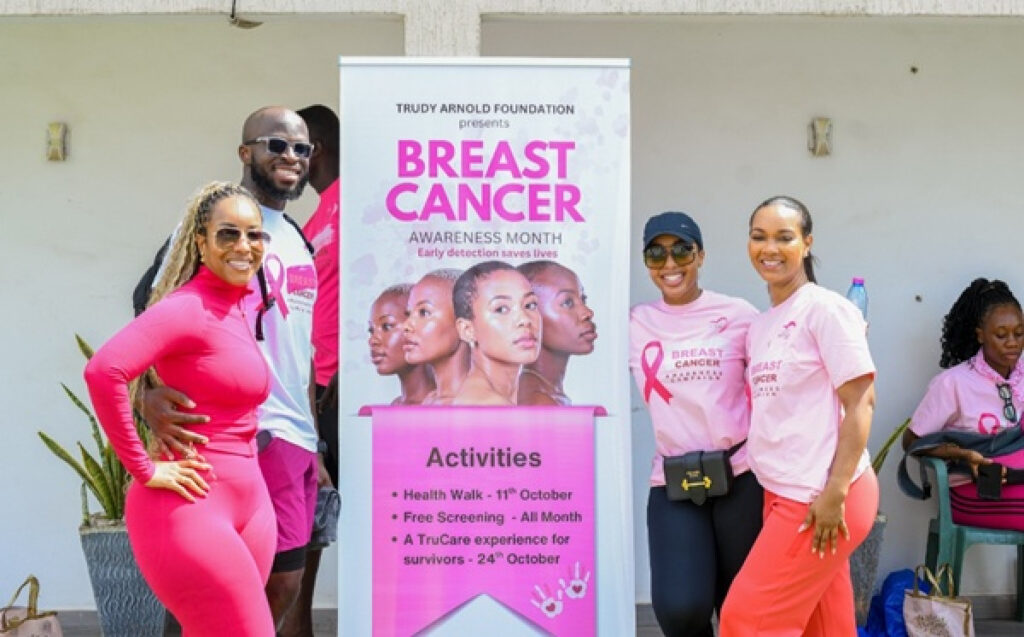
Early detection enabled timely referrals and treatment, demonstrating how awareness can save lives in underserved communities where illness is often addressed too late.
“The access to a knowledge and also practices. By the end of the one-year period, 235,000,women are receiving screening in the physical industry ,screening symptoms ,lungs and other things. Interesting part of the intermediate was out of 45,000 women identified, 400 women were referred for the diagnosis”, he said, adding that out of 400 women,only 21 women diagnosis, breast cancer and 15 of them have started treatment”, he noted.
Mohanty noted that women in rural settings frequently prioritise family responsibilities over their own health, underscoring the need for culturally sensitive outreach that brings services and information directly to communities.
“We had organized several kinds of community mobilizer activities by looking at actual place, age and our nationalities.It also helped us side-by-side with the community focused and also the families.By doing all these activities, we actually empowered the women and people, provided them access about information”,he said.
From Commitments to Concrete Change
Participants noted that eliminating FGM requires sustained financing, survivor-centred justice, and locally driven interventions aligned with broader gender equality efforts.
Advocates warned that without stronger enforcement, investment and accountability, the 2030 target risks remaining aspirational rather than achievable.
The session calls for governments, civil society and communities to act collectively to ensure every girl grows up safe, educated and free from violence transforming global pledges into tangible protections on the ground.