
Elimu Bora Working Group Backs UASU, Urges Government to Release KSh 10.6 Billion Owed to Lecturers
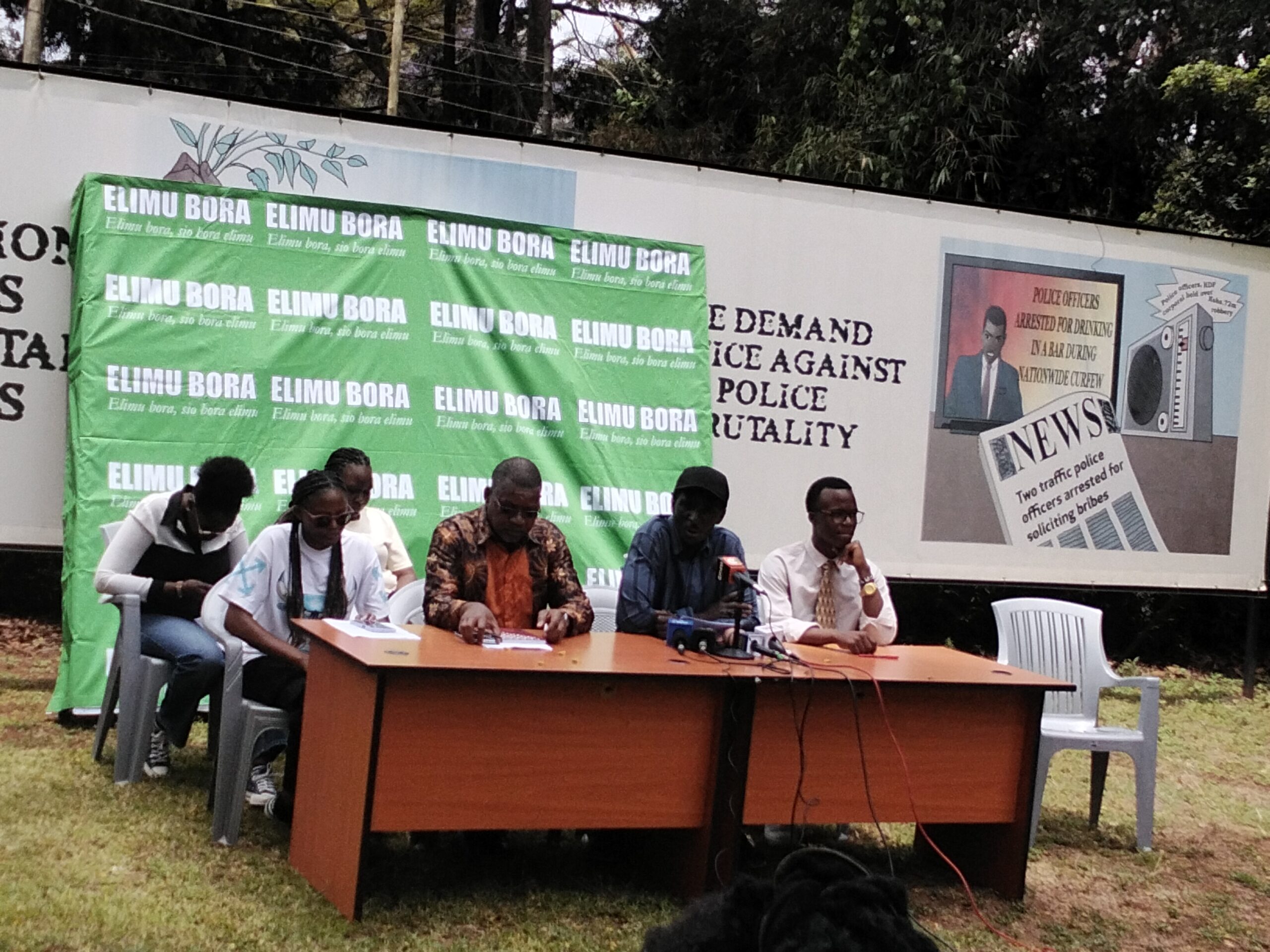
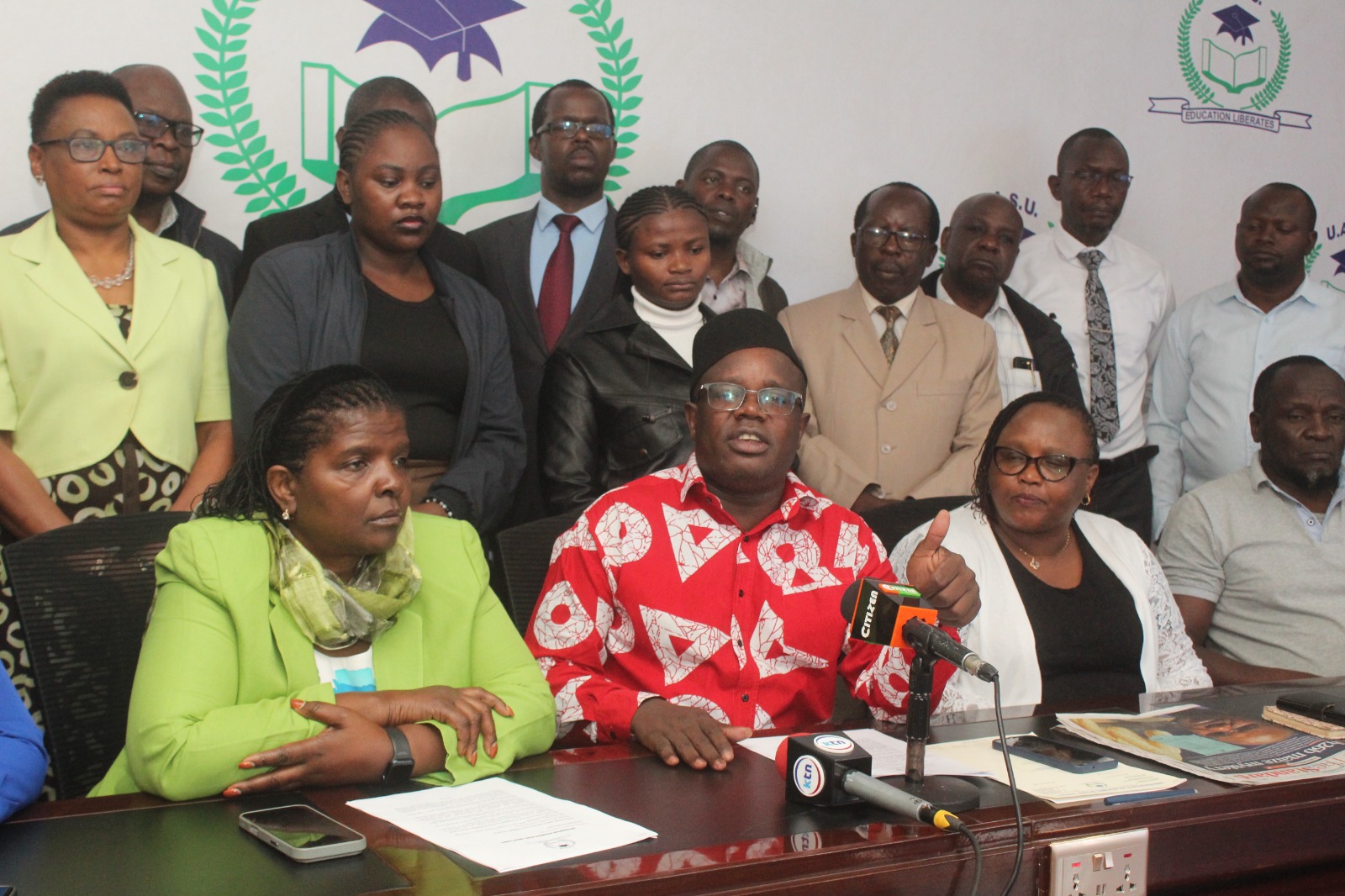
The Elimu Bora Working Group declares full solidarity with the University Academic Staff Union (UASU) and urges the government to immediately release over KSh 10.6 billion owed to university lecturers and staff from previous Collective Bargaining Agreements (CBAs).
The group says the government has failed to fully implement the 2017–2021 and 2022–2025 CBAs, a move that continues to demoralize lecturers and destabilize public universities across the country. According to the group, the unfulfilled promises disrupt learning and place a heavy burden on both educators and students.
“We stand 100 percent in solidarity with UASU. Their fight is justified, their demands are fair, and the government needs to yield,” the group says in its statement.
The working group explains that the government still owes KSh 7.9 billion from the 2017–2021 CBA cycle and KSh 2.7 billion from the 2022–2025 cycle, both of which remain unsettled despite several rounds of negotiation. The group calls on the State to expedite talks on the 2025–2029 CBA to prevent further industrial unrest in universities.
“We demand that the government pays KSh 7.9 billion owed to university workers for the 2017–2021 CBA and KSh 2.7 billion for the 2022–2025 CBA. We also call for immediate negotiations on the 2025–2029 CBA and insist that the government must always negotiate in good faith with public servants,” the statement reads.
The group maintains that despite previous engagements with the Ministry of Education, the National Treasury, and the Salaries and Remuneration Commission, the government has not honored its commitments. The delays in implementing past CBAs have led to the ongoing industrial action and further lowered staff morale.
“Part of those reasons include unhonoured promises of the past. The two CBAs – 2017–2021 and 2022–2025 – remain unfulfilled. We know the deficits of KSh 7.9 billion and KSh 2.7 billion are genuine, and they must be settled. The government should show goodwill by paying and speeding up the new negotiations,” a spokesperson from the Elimu Bora Working Group says.
Officials warn that the lecturers’ strike continues to have a devastating impact on students, particularly those from low-income backgrounds enrolled in public universities. “When you are joining university and go a whole month without learning, you may think that is how university life is. Many students are suffering. Some are idle and frustrated because they cannot attend classes. An idle mind is the devil’s workshop,” one official observes.
The group expresses concern that the prolonged strike extends the academic calendar, forcing students to stay longer in school and incur extra costs for accommodation and upkeep. “It’s painful because some of these students are sponsored by struggling parents or well-wishers. If semesters are extended, their sponsors will have to bear more expenses,” another official adds.
They note that many students continue to pay rent even though universities are not in session, as landlords still demand payment. “You cannot tell a landlord that because classes are not in session, rent should stop. The students are still in their houses, and they must pay,” the official laments.
Student leaders also join in solidarity with the lecturers. Ray, the Academic Secretary from the Technical University of Kenya, says the government’s recently introduced Means Testing Instrument (MTI) has worsened the situation by raising annual fees from KSh 55,000 to KSh 85,000 for some students.
“We are in solidarity with the lecturers, but we must also highlight that the new fee policy has turned into mayhem. We question the mechanism used to revise the means testing method. Education is the genesis of the country’s economy, and it must go hand in hand with the social welfare of students,” Ray says.
He adds that delayed disbursement of HELB funds and the ongoing strike push students into desperate and harmful activities. “Students are engaging in malicious activities that could increase crime rates. We appeal to the government to resolve this issue and resume learning as soon as possible,” he says.
Elimu Bora Working Group appeals to the government to uphold fair labor practices, timely remuneration, and genuine dialogue with workers. “The government must always negotiate with teachers and lecturers in good faith and keep its part of the bargain whenever they engage. The moment they don’t, we end up with industrial unrest, which is harmful to education, especially at the higher learning level,” the group emphasizes.
The group warns that continued neglect of public universities risks widening the gap between private and public education, as more parents opt for private institutions. “Private universities are progressing well and even finishing semesters on time, while public universities remain paralyzed. This contradicts our goal of ensuring access to quality public education for all learners, regardless of background,” they note.
Elimu Bora Working Group insists that the government must prioritize education and honor its financial commitments to university staff. “When you deal with public workers, you must back your promises with proper financial allocations in the budget. The continued delay is unacceptable. Let the government act now and restore learning in our public universities,” the group says.
The statement, signed by the Elimu Bora Working Group, is shared with the media as a show of unity with the University Academic Staff Union and
all university workers across Kenya.