
African Leaders, Scientists and Faith Institutions Call for Increased Climate Finance at Nairobi Resilience Summit
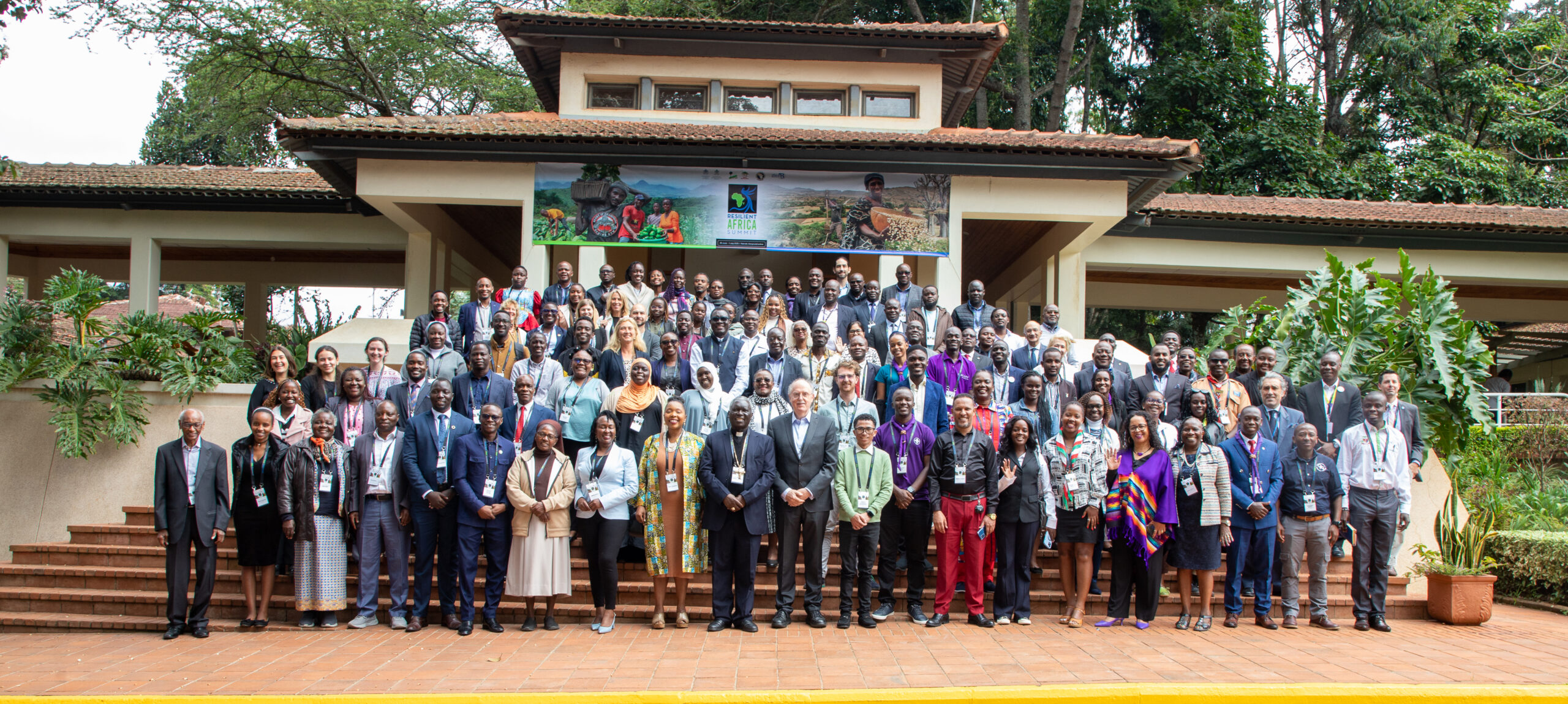
African leaders, scientists, youth activists, and faith-based organizations have called for a substantial increase in climate finance to support locally-led adaptation efforts across the continent. The call was made during the Vatican African Conference on Climate Resilience held in Nairobi, amid growing concerns that communities on the frontlines of climate change continue to be marginalized by conventional financing systems and inadequate global response.
The conference was convened under the auspices of the Pontifical Academy of Sciences (PAS) and the Pontifical Academy of Social Sciences (PASS), in partnership with CIFOR-ICRAF, the Network of African Science Academies (NASAC), and a wide range of African stakeholders. It built on the momentum of the 2023 African Climate Summit and the Africa Youth Climate Assembly Declaration.
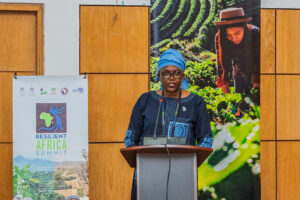
Speaking During the Summit,Dr Éliane Ubalijoro, CEO of CIFOR-ICRAF, noted that without adequate and timely resources, even the most ambitious climate strategies will remain mere words on paper.
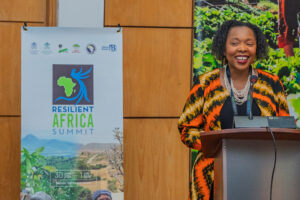
She stressed the need for urgent investment to match action, especially for vulnerable communities facing severe climate impacts such as droughts and floods.
Governor Wilber Ottichilo of Vihiga County, who chairs the Environment, Forestry, and Climate Change Committee of Kenya’s Council of Governors, pointed to weak institutional coordination and limited resources as key obstacles to effective adaptation.
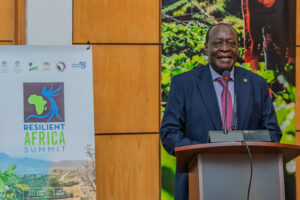
He urged for enhanced funding and capacity-building support.
Scientific evidence, inclusive policy dialogue, and community involvement were cited as essential to shaping effective responses. African academies of science, Indigenous knowledge holders, civil society, and faith-based organizations were recognized for their unique roles in ensuring solutions reflect local realities.
Dr Joachim von Braun, President of the Pontifical Academy of Sciences, said that achieving climate resilience in Africa depends on alliances between governments, science, farming communities, civil society, and business supported by increased volume and quality of adaptation finance.
Dr Jacqueline Kado of NASAC emphasized that the path to resilience must be science-informed, locally led, and youth-driven.
Participants emphasized the importance of direct financial access for cities and local governments, alongside the development of innovative financial tools tailored to Africa’s specific needs. They also called for increased decision-making powers and technical capacity at the local level to develop context-driven adaptation strategies.
The conference underscored the need for integrated approaches in food, land, and water systems, including climate-smart agriculture, water harvesting, and nature-based solutions like tree planting and reforestation. These were presented as both scientifically sound and culturally grounded in African values.
Local governments committed to developing specific resilience blueprints in collaboration with financial institutions, prioritizing nature-based solutions, climate-resilient infrastructure, and community ownership. On disaster preparedness, delegates called for improved early warning systems and insurance options for vulnerable groups.
The gathering adopted the Mitigation, Adaptation, and Societal Transformation (MAST) framework as a core foundation for Africa’s climate response, emphasizing the alignment of climate mitigation with justice and development rights, and prioritizing adaptation to Africa’s heightened climate vulnerability.
Youth participation was prominent, with the Youth MAST Dialogues highlighting bold visions and demanding accessible climate tools and resources to bridge inequalities. Valerie Nutakor, a youth representative, urged policymakers and institutions to prioritize inclusion and intergenerational collaboration.
Faith leaders echoed the urgency of moral leadership. Archbishop Philip Anyolo of Nairobi described climate change as an existential, spiritual, and geopolitical crisis requiring global solidarity and ethical clarity. Cardinal Peter Turkson of the Pontifical Academy of Social Sciences called for humanity to move from being stewards to carers of creation, warning against passing on a degraded world to future generations.
The Nairobi conference concluded with a commitment to launch structured, science-informed policy dialogues to monitor resilience progress and prepare regional contributions for COP30 in Brazil and the Vatican’s Final Resilience Summit in 2027.
“In California and Massachusetts earlier this year, in Kenya today, and at seven future summits in Austria, Brazil, China, Japan, India, Rome and Oceania, governors, mayors, scientists, Indigenous leaders, youths and civil society actors will convene and chart pathways forward toward a healed, sustainable and more humane future,” said Dr. Marcelo Suárez-Orozco, Member of the Council of the Pontifical Academy of Social Sciences and Chancellor of the University of Massachusetts, Boston.