
African Child Day exposes deep education inequality as millions still lack quality learning
Even as Africa marked the annual Day of the African Child in remembrance of the 1976 Soweto Uprising in South Africa, education stakeholders have warned that millions of children across the continent continue to face deep inequalities that deny them access to meaningful learning.
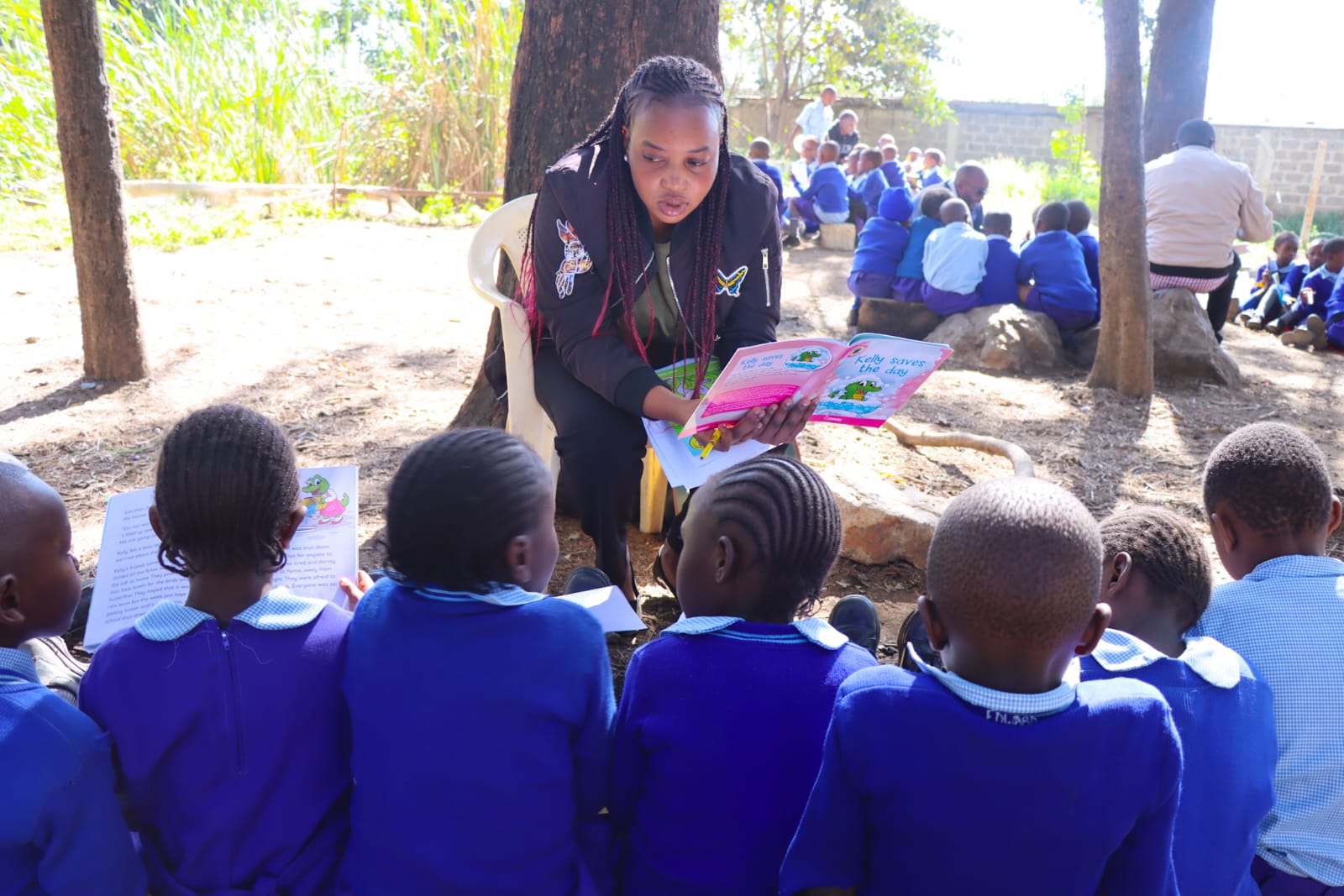
The concerns were evident at Wangu Primary School in Nairobi’s Dandora area, where learners joined in commemorating the day amid growing concerns over overcrowded classrooms, shortage of books and poor learning conditions affecting many public schools.
Located near the sprawling Dandora dumpsite, the school paints a grim picture of the challenges many learners continue to face despite policy reforms aimed at improving access to education.
“This is our dump site, and this school is right in the dump site,” said Lydia Wangui Chege, Lead for Ecosystem Building and Government Engagement, while highlighting the harsh environment surrounding the institution.
Overcrowded classrooms strain learning
Education stakeholders said public schools continue to struggle under pressure, with some teachers handling over 100 learners in a single classroom, making quality learning difficult to achieve.
“We need to respect that if a teacher has hit 63 learners, that teacher has done a lot of effort. Let nobody say that we don’t have children in public schools… this is a public school,” Lydia added.
Head of Institution Wachira Gakunya pointed to lack of learning materials as a major obstacle.
“Definitely the biggest issue would be that there are not enough books for everybody,” he said.
Learning poverty remains a growing concern
According to the World Bank, learning poverty remains a major challenge across Africa despite improved school enrolment, with many children unable to read and comprehend age-appropriate texts.
Deputy Headteacher Imelda Milulu said books play a critical role in literacy development.
“After reading these books, they are encouraged, they are happy… and they also enjoy creativity. By reading these books, they’ll be able to speak good English and improve their writing skills,” she explained.
Call for stronger partnerships
To mark the celebration, education partners donated books and hygiene materials under a literacy and WASH programme aimed at improving learning outcomes.
Yvonne Muriuki of Moran Publishers said access to books remains central to child development.
“It is important for kids to gain access to education that helps them grow mentally, emotionally,not just pass examinations, but grow into people able to make change in the world,” she said.
As Africa pushes toward the African Union Agenda 2063 vision, stakeholders say the message from Dandora is clear access to school alone is not enough, and without quality learning support systems, millions of African children remain locked out of their future.