

Africa Unveils Landmark Framework for Just Transition at Nairobi High-Level Dialogue
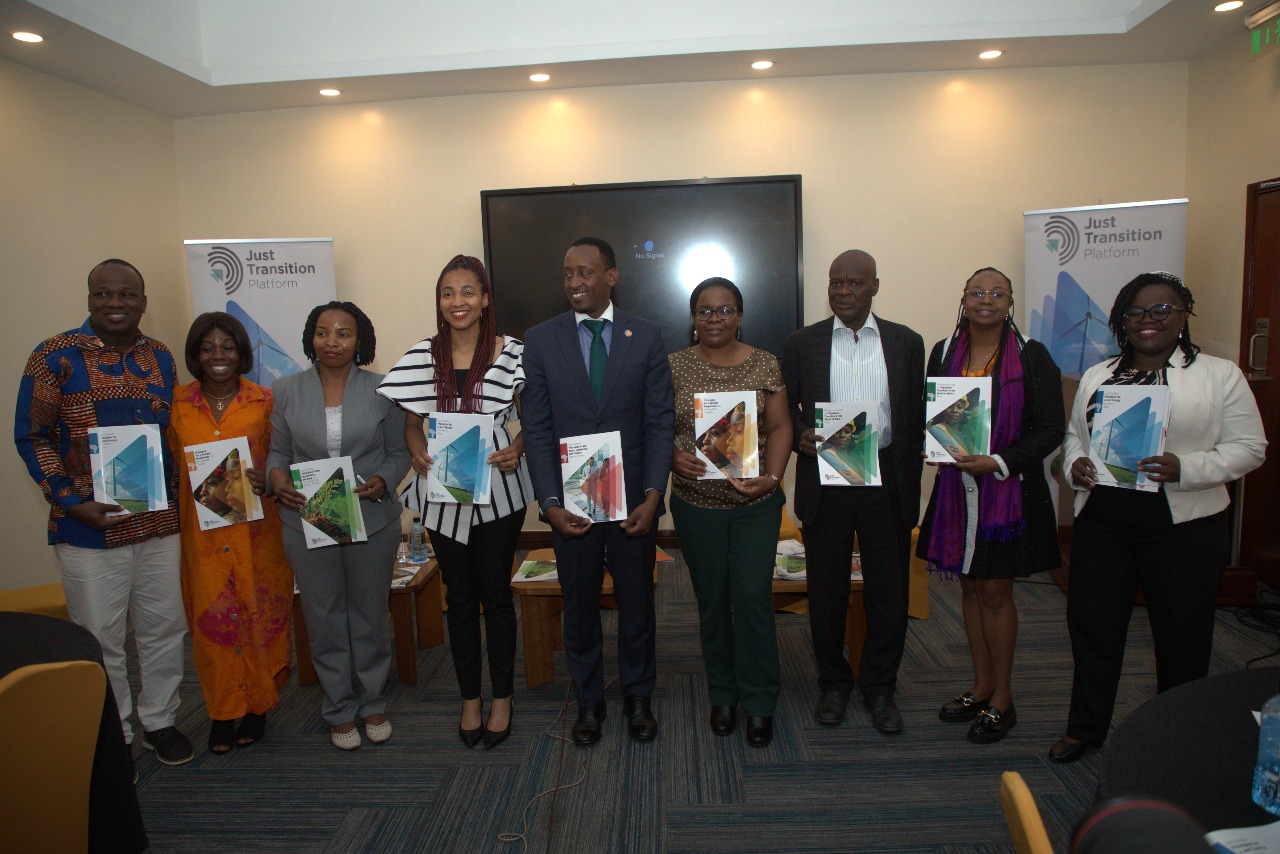
In a pivotal moment for Africa’s climate justice movement, the Just Transition Platform (JTP) today launched a continental framework for a Just and Equitable Transition during a high-level dialogue held at Nairobi Hotel Sarova.
The event, titled Advancing Just Transition in Africa: Climate Change and The World of Work, brought together leading voices from across the continent in energy, labour, trade, land use and gender justice. The dialogue marked the official unveiling of a set of core principles designed to guide Africa’s shift to a climate-resilient, low-carbon future without leaving behind workers, communities, or vulnerable groups.
Launched in the year 2022, the Just Transition Platform is a pan-African collaborative effort co-convened by the ClimateWorks Foundation and the International Trade Union Confederation (ITUC) Africa. It serves as a space for dialogue, research, and advocacy on just transition policies tailored to Africa’s unique climate and socio-economic context.
The newly launched principles, three years in the making, span five key sectors including energy, trade and finance, the world of work, agriculture and land use, and gender. They are the result of regional workshops, consultations and validation processes involving policymakers, researchers, and grassroots organizations.
In the energy sector, the framework promotes Africa’s sovereignty over its resources and prioritizes clean, affordable, and inclusive energy systems. In trade and finance, it demands fair investment regimes and institutional reforms to address debt and economic dependency.
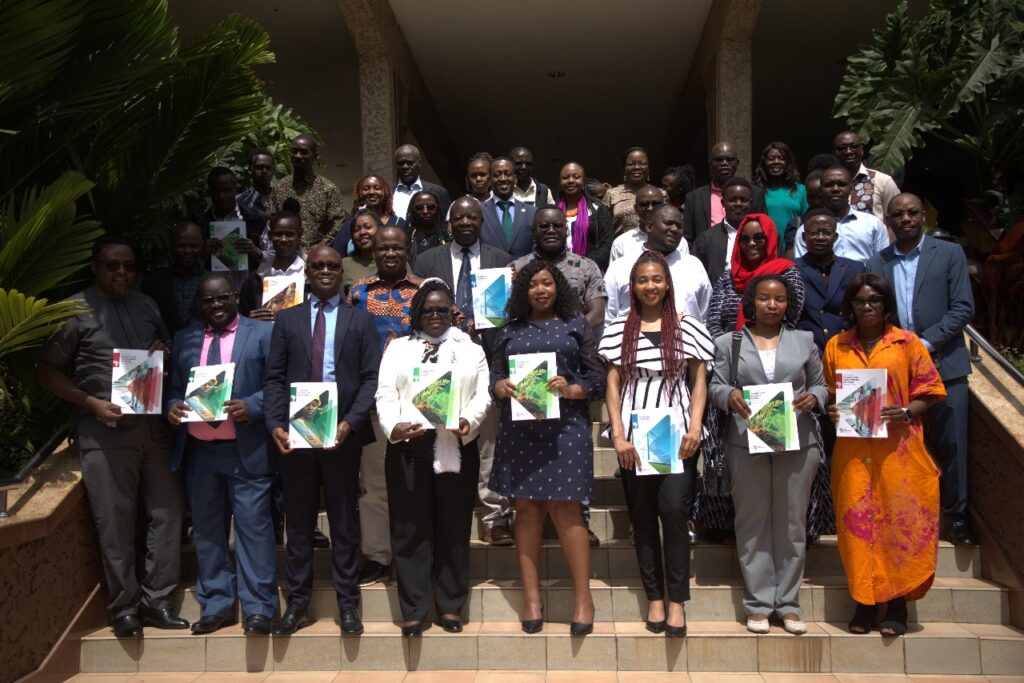
Members of the Just Transition Platform Dr. Pamela Levira ; African Union, Ujunwa Ojemeni; E3G, Dr. Tedd Moya; University of Oxford, Kingsley Ofei-Nkasah; GD Resource Center ,Anne Songole; CLASP with other stakeholders pose for a photo during a press briefing at Nairobi Hotel.
The principles on work call for labour protections, green skills, and social safety nets, while those on land use advocate for inclusive reforms and women’s empowerment. The gender framework centers unpaid care work and calls for feminist climate action.
“Africa contributes less than 4 percent of global emissions, yet faces the harshest climate impacts,” said one of the platform representatives. “This framework is about reclaiming agency and ensuring Africa’s transition is just, inclusive, and aligned with our own development priorities.”
Speakers emphasized that upcoming updates to Nationally Determined Contributions (NDCs) under the Paris Agreement must integrate these principles to safeguard livelihoods, promote equity, and address historical injustices. With youth unemployment soaring and the impacts of climate change deepening, the framework offers a roadmap to align climate ambition with economic justice.
The event concluded with calls for African-led solutions, deeper civic engagement, and systemic reforms in global finance and trade. As the continent positions itself for a climate-conscious future, this framework sets the foundation for transformative change on Africa’s terms.
BY SHARON ATIENO