


Africa to Host Global Health Leaders in Nairobi for 2026 Regional Summit
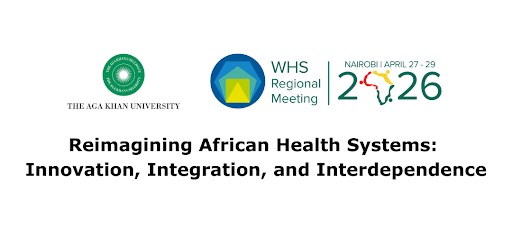
Nairobi is set to become the focal point of global health discussions when it hosts the World Health Summit Regional Meeting 2026 from April 27–29 at the United Nations Office at Nairobi.
The high-level gathering aims to strengthen regional engagement on health system priorities while advancing practical solutions relevant to Africa and the wider world. Convened under the theme “Reimagining Africa’s Health Systems: Innovation, Integration, and Interdependence,” the meeting will be hosted by Aga Khan University and is expected to bring together leaders from government, academia, civil society, and the private sector.
Professor Lukoye Atwoli, Dean of the Medical College, East Africa at Aga Khan University and International President of the 2026 meeting, described the summit as a major milestone for both Kenya and the continent.
“The summit will spotlight African-led solutions while shaping the broader global health conversation,” he said, noting that it reflects a commitment to building a healthier and more equitable future through research, education, and collaboration.
More than 2,000 delegates are expected to attend, including ministers of health, senior policymakers, researchers, and innovators, alongside representatives from leading multilateral institutions such as the Africa Centres for Disease Control and Prevention, World Health Organization, African Union, and UNICEF.
Participants will engage in policy dialogues, plenary sessions, and technical workshops addressing key challenges, including strengthening health system resilience, pandemic preparedness, digital health innovation, equitable access to quality care, and sustainable investments in workforce development and financing.
Hosting the summit underscores Kenya’s and Africa’s growing influence in global health diplomacy, positioning the continent as a hub for innovation, partnerships, and locally driven solutions to pressing health challenges.
The 2026 Regional Meeting is expected to amplify African perspectives in shaping the future of global health while fostering cross-border collaboration to improve outcomes for communities across the continent and beyond.


It is really a nice and useful piece of info. I’m glad that you shared this helpful info with us. Please keep us up to date like this. Thank you for sharing.