
Rer Hassan Clan Dissociates From Online Allegations Against qNational and County Leaders
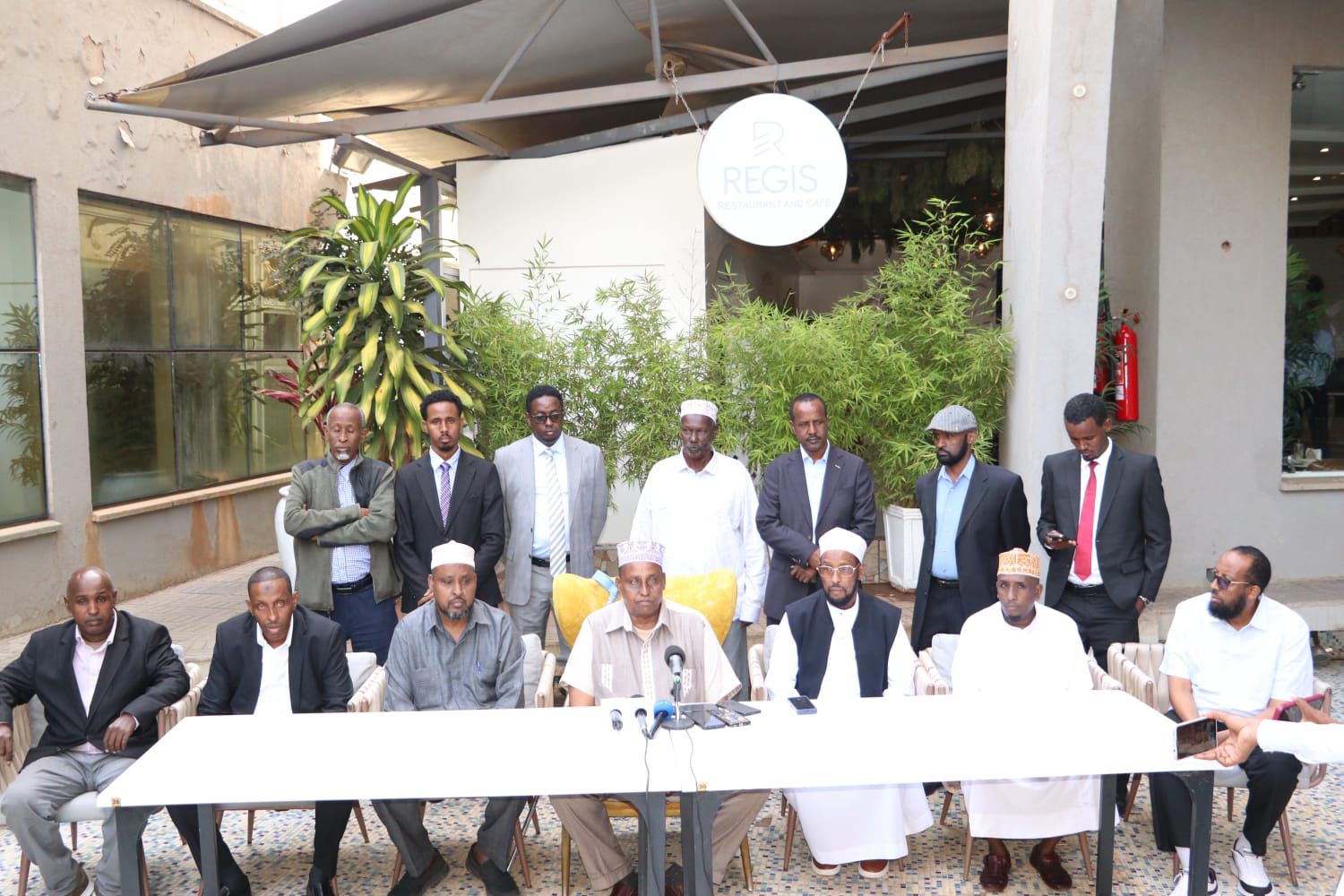
The Rer Hassan clan has publicly dissociated itself from a series of allegations circulated on social media in recent weeks, following an official apology delivered by clan elder Ugaas Ali Hajji Shakur Osman during a media briefing in Nairobi.
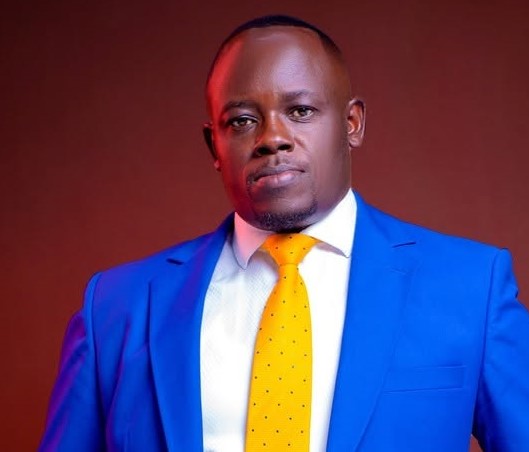
Speaking today , Ugaas Osman issued the apology on behalf of the clan over remarks made by Mr. Mohamed Haji Bulow, also known as Kahiye, which had linked several senior political leaders and prominent business figures to alleged misconduct.
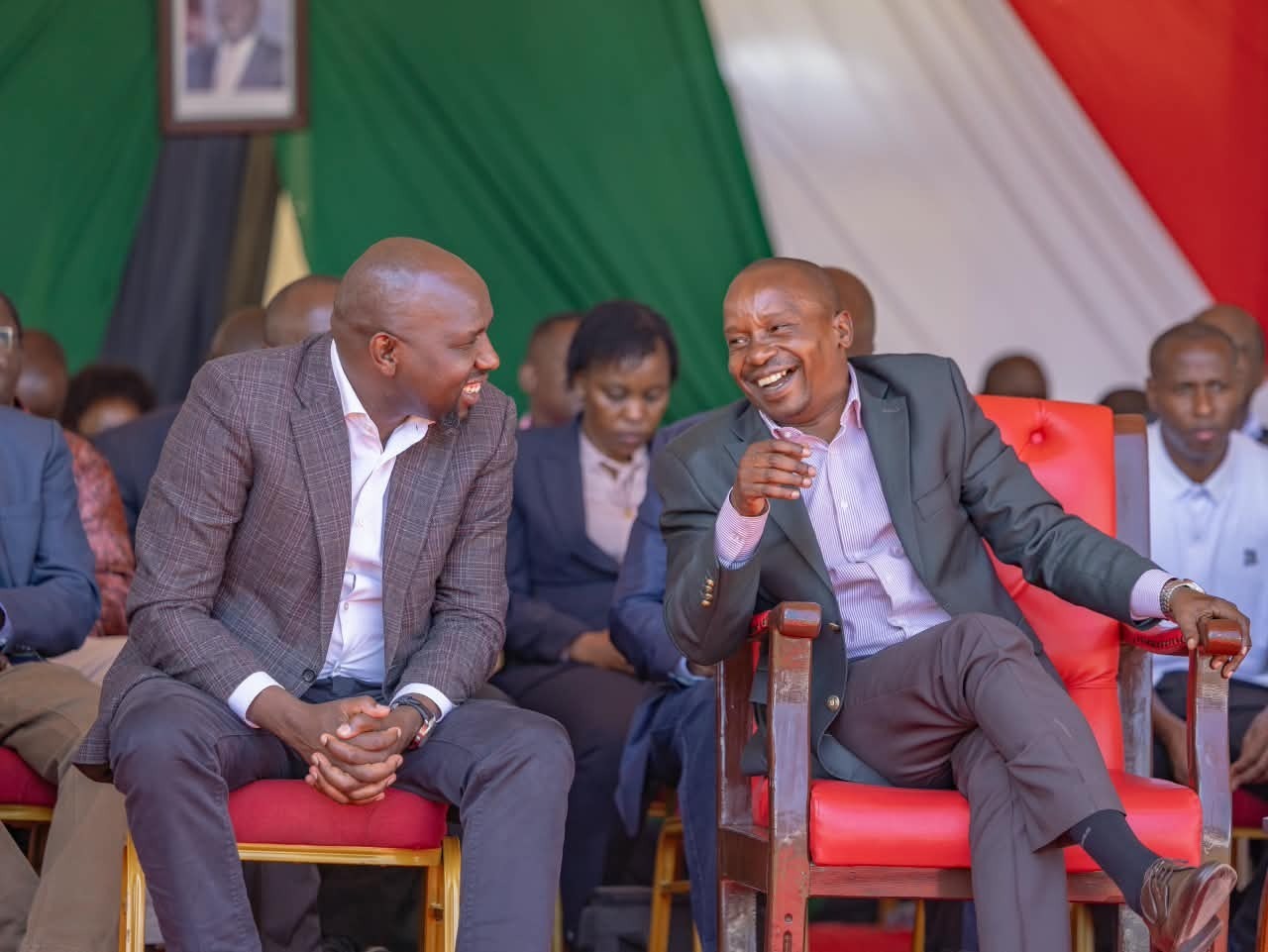
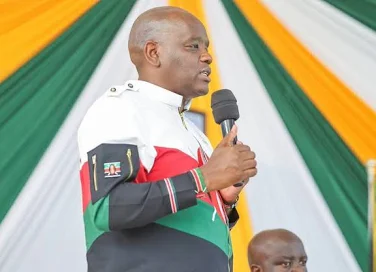
The apology sought to de-escalate tensions, safeguard inter-communal relations, and clearly state the clan’s position regarding the claims that had attracted widespread online attention. Individuals referenced in the apology include Cabinet Secretary Aden Duale, Mandera Governor, Eastleigh-based businessman and BBS Mall proprietor Mr. Abdiwali, National Assembly Defence Committee Chairperson Hon. Adan Keynan, and veteran politician Hon. Farah Maalim.
Ugaas Osman emphasized that the statements attributed to Mr. Bulow did not reflect the values, views, or official position of the Rer Hassan clan, describing the allegations as baseless and regrettable. He reaffirmed the clan’s commitment to peaceful coexistence, mutual respect, and constructive engagement with both national and county leadership.
“The Rer Hassan clan stands for dialogue, dignity, and lawful processes. We regret any harm caused by statements made without regard for truth, evidence, or the broader public interest,” Ugaas Osman noted.
The apology comes amid growing concern over the spread of unverified claims on digital platforms, particularly those involving public officials and sensitive governance matters. Analysts observe that such incidents increasingly draw the involvement of community elders and traditional leaders, who play a critical role in mediation and accountability within northern Kenyan communities.
Observers note that the developments underscore the expanding intersection between social media discourse, public accountability, and traditional leadership structures in Kenya’s evolving political landscape, highlighting the need for responsible communication on matters of public interest.
Through a statement read by Abdirashid Mohamed Cato,he addressed the issue of mistaken identity caused by similar names and extended an apology to individuals affected by the viral footage.