

Kenya Unveils National Electric Mobility Policy, Signalling Shift to E-Transport
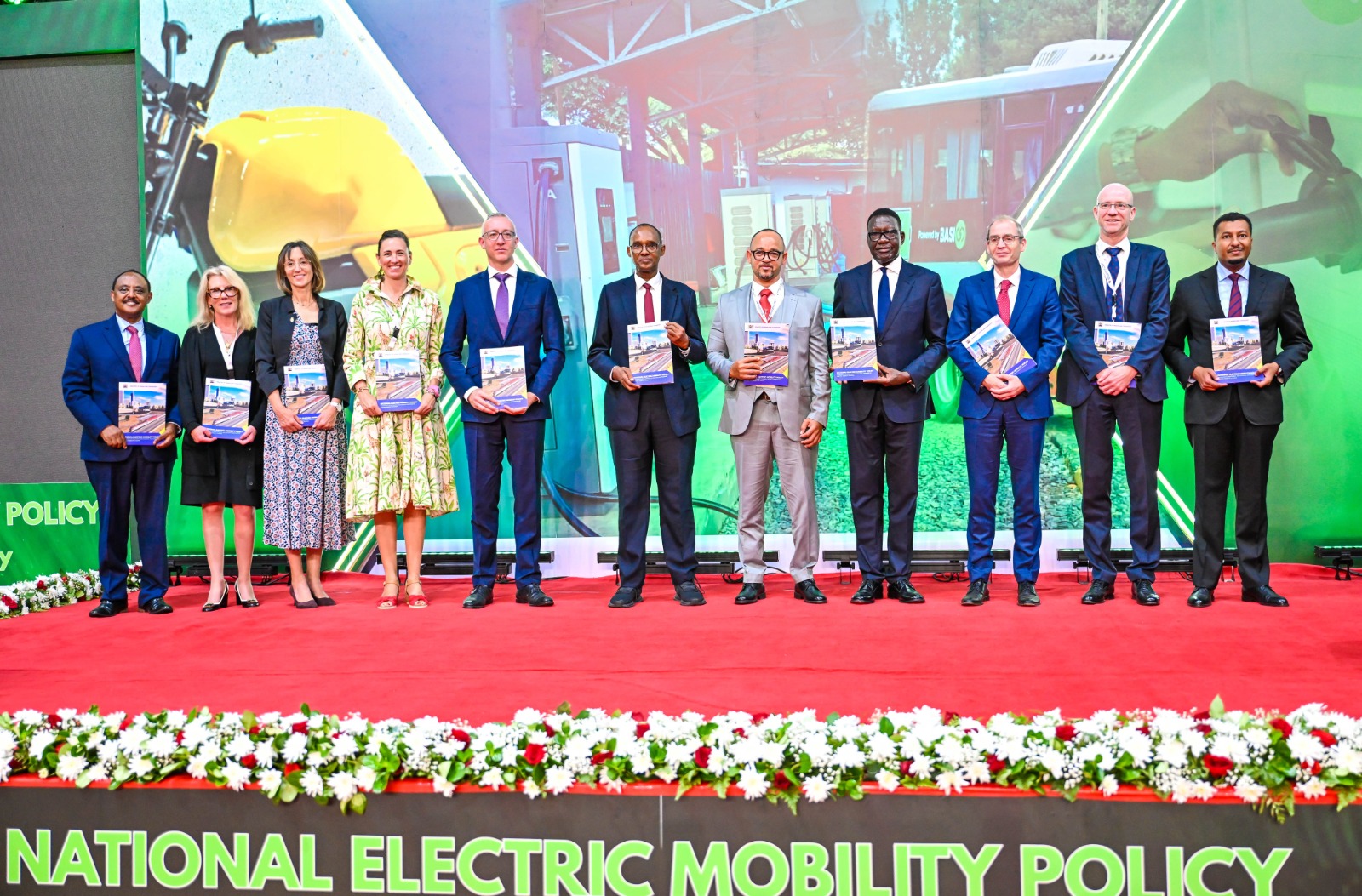
Roads and Transport Cabinet Secretary Davis Chirchir describes e-mobility as a game-changer, noting that it is part of the modernisation of transport as well as the national development agenda.
President Ruto’s administration is fast-tracking the adoption of electric vehicles because it is a key cog in the national development agenda, Roads and Transport Cabinet Secretary Davis Chirchir has said.
Speaking at the launch of the National e-Mobility Policy framework, Cabinet Secretary for Transport Davis Chirchir emphasized that the government’s Agenda championed by President Dr. William Ruto, alongside Kenya’s Vision 2030, identifies electric mobility as a key priority for climate change mitigation and sustainable economic growth.
The Kenya Kwanza development blueprint underscores e- Mobility as a priority area for the Government; industrialization; creation of green jobs; cutting costs and improving lives; and climate change mitigation.
Kenya’s Nationally Determined Contributions (NDCs) outline the country’s commitment to reducing greenhouse gas emissions by 32 percent by 2030. Currently, the transport sector accounts for approximately 70 percent of Kenya’s energy-related greenhouse gas emissions. To curb emissions from this sector, the government is actively promoting the adoption of electric mobility solutions.
“We intend to achieve this through a low carbon climate resilience development pathway that prioritizes among other measures the adoption of electric mobility and development of efficient low carbon transport systems,” Chirchir noted.
With the launch of the policy framework, growth in the mobility sector will no longer be constricted. The policy will reduce the gap that has been limiting investments, slowing innovation, and hindering local manufacturing that hence slowed job creation. “Lack of the policy also led to missed opportunities in emission reduction, air quality improvement and sustainable industrial development,” The CS added.
As of 2025, through the National Transport and Safety Authority (NTSA) Kenya has already registered 24,754 electric vehicles, up from 796 vehicles in 2022. With the adoption of e-Mobility through the policy framework, the government is targeting actions to accelerate adoption of e-Mobility including roll out of charging infrastructure in urban centers and along highways and promotion of mass electric transit systems in major cities.
The CS stated that the growth signaled strong market confidence and growing public acceptance of electric mobility. “To further guide this transition, the Government is developing a detailed National e-Mobility Strategy to facilitate the implementation of the policy and ensure effective and coordinated execution.” He added.