
Harm Reduction Society Backs Evidence Based Policies on Alcohol, Tobacco, Cannabis and Pesticides
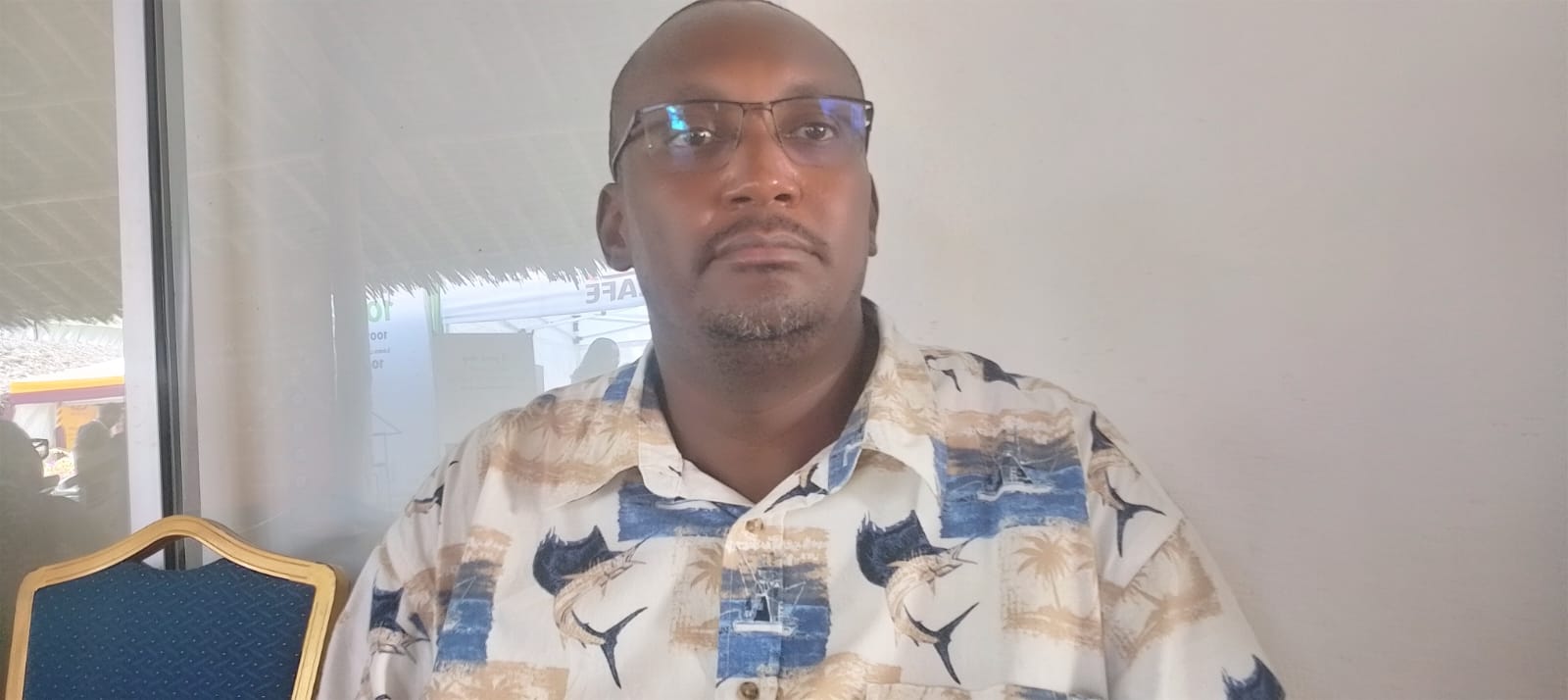
Harm Reduction Society of Kenya Founder and Secretary-General, Dr. Kariuki Michael Ndung’u, speaks at the Diamond Leisure Beach and Golf Resort in Mombasa
By Wendy Sheilla
The Harm Reduction Society of Kenya has urged the government to adopt and implement evidence based strategies to tackle the health and social impacts of alcohol, tobacco, cannabis, and hazardous pesticides.
Speaking at the Diamond Leisure Beach and Golf Resort in Mombasa, the Society’s Founder and Secretary General, Dr. Kariuki Michael Ndung’u, a consultant paediatrician and epidemiologist, said the four products continue to cause significant harm to Kenyans and require urgent, coordinated interventions.
“Our advocacy is focused on measures that protect non users, especially children and youth, while helping users quit through safer alternatives,” Dr. Ndung’u said.
On alcohol, he welcomed recent National Authority for the Campaign Against Alcohol and Drug Abuse (NACADA) proposals to raise the legal drinking age from 18 to 21 and restrict advertising, saying the move will help reduce access among the youth. He further stressed the need for a “Continuum of Care” approach, where recovering alcoholics are placed in transitional safe houses to acquire new skills before reintegration into society.
Turning to tobacco, Dr. Ndung’u described it as “the only legal product which, if used as intended, will kill you,” noting NACADA statistics indicating initiation can occur as early as six years of age. He called for safer nicotine alternatives and therapies, observing that more than 8,000 Kenyans die annually from tobacco related diseases.
On pesticides, he commended the Ministry of Agriculture and the Pest Control Products Board for listing 70 “extremely hazardous” chemicals for phase out, citing an Egerton University study showing high levels of harmful residues in potatoes sold countrywide. He urged the promotion of biopesticides and organic farming, alongside government subsidies to make safer options affordable.
Regarding cannabis, Dr. Ndung’u said it remains the most abused illegal drug in Kenya, linked to serious mental health issues. However, he called for policy change to permit regulated use of “medical hemp,” which contains high CBD and very low THC levels, citing its proven medicinal benefits in managing paediatric convulsions, pain, and certain skin conditions.
He noted that Uganda and Zambia are already cultivating medical hemp under strict regulation and urged Kenya to explore similar opportunities while cracking down on recreational cannabis.
The Society, he added, is running nationwide awareness campaigns through community meetings, media engagements, and stakeholder forums, and also supports rehabilitation programmes to help recovering addicts reintegrate into society.
“With evidence based strategies, Kenya can protect its people, reduce harm, and promote healthier communities,” Dr. Ndung’u said.