

Nairobi Motorists Hit With Instant Fines as NTSA Activates Powerful Smart Camera Traffic Enforcement System
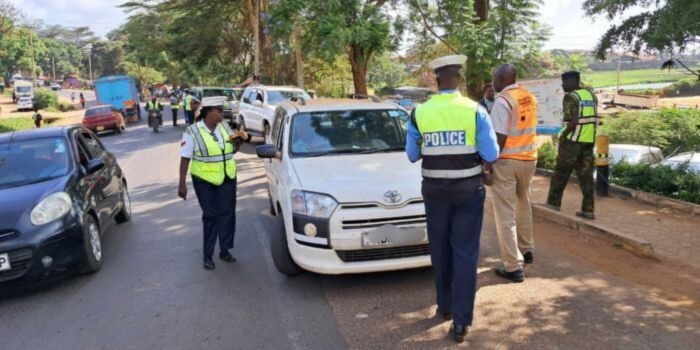
Thousands of motorists in Nairobi are now under the watchful eye of a powerful new automated traffic enforcement system after the National Transport and Safety Authority (NTSA) officially activated hundreds of smart surveillance cameras capable of detecting speeding violations and issuing instant digital penalties.
The high-tech system marks a significant shift in road traffic enforcement, replacing traditional roadside policing with technology-driven monitoring aimed at reducing reckless driving and improving road safety.
Drivers using major highways, bypasses, and urban roads across the capital have already begun receiving penalty notifications directly on their mobile phones after being captured exceeding speed limits.
A spot check revealed that numerous motorists have received text messages informing them that their vehicles had been recorded violating traffic regulations.
One such notification informed a driver that their vehicle had been captured speeding along Redhill Link Road, providing the exact date, time, and location of the offence. The messages cite violations under Sections 42(1) and 43(1) of the Traffic Act, signaling a new era of strict digital enforcement on Kenyan roads.
End of Manual Traffic Tickets
According to NTSA, the system has been implemented under the Minor Traffic Offences Rules and Section 117 of the Traffic Act.
The authority says the technology eliminates the need for police officers to manually stop motorists and issue traffic tickets, a process that has often been criticized for inefficiency and inconsistencies.
Instead, smart cameras automatically detect traffic violations, capture photographic evidence, and instantly generate digital notices linked to vehicle registration records.
Officials believe the automated approach will enhance transparency while improving compliance with traffic laws.
The move is also expected to reduce opportunities for corruption associated with traditional traffic enforcement methods.
Key Roads Under Surveillance
The extensive surveillance network has been deployed across several major roads in Nairobi, including sections of the heavily trafficked Thika Superhighway.
Motorists travelling along the corridor must now pay close attention to varying speed limits depending on their location.
Certain sections, including areas around Jomoko Turnoff, Allsops, and the Pangani Interchange, allow speeds of up to 110 kilometres per hour.
However, speed limits reduce significantly in residential areas, where motorists are restricted to 50 kilometres per hour.
The limits become even stricter near learning institutions and designated school zones, where drivers are required to maintain speeds of no more than 30 kilometres per hour.
Authorities have warned that exceeding these limits, even briefly, may trigger automatic enforcement action.
How the System Works
The surveillance technology uses advanced cameras capable of capturing high-resolution images of vehicle registration plates.
Once a speeding violation is detected, the system immediately records the offence and transmits the information to a central database.
A digital penalty notice is then sent directly to the registered owner’s mobile phone through SMS, providing details of the violation.
The process is designed to be instantaneous, ensuring motorists are notified shortly after committing an offence.
Road safety experts argue that immediate consequences can significantly influence driver behaviour and encourage greater adherence to traffic regulations.
Legal Hurdles Cleared
The nationwide rollout of the system had previously faced legal challenges after the High Court suspended implementation over concerns related to algorithmic decision-making and constitutional protections.
Questions were raised regarding transparency, accountability, and the safeguards available to motorists affected by automated enforcement decisions.
However, following recent legal clearances, NTSA has resumed the deployment of the technology on a full-scale basis.
The authority insists that the system now operates within the legal framework established under Kenyan law.
Consequences for Non-Compliant Motorists
Authorities have cautioned drivers against ignoring the digital notices.
Failure to address penalties could lead to the accumulation of fines and potential complications when accessing government services tied to vehicle ownership and compliance requirements.
As Nairobi continues to grapple with road accidents, speeding, and traffic-related fatalities, officials hope the smart camera network will serve as a powerful deterrent and help foster a culture of responsible driving.
With every movement increasingly monitored by intelligent surveillance systems, motorists are being urged to observe speed limits at all times or risk receiving an unexpected text message—and a costly fine—within moments of breaking the law.