
IEBC Chair Highlights Key Challenges in Phase One of Voter Registration
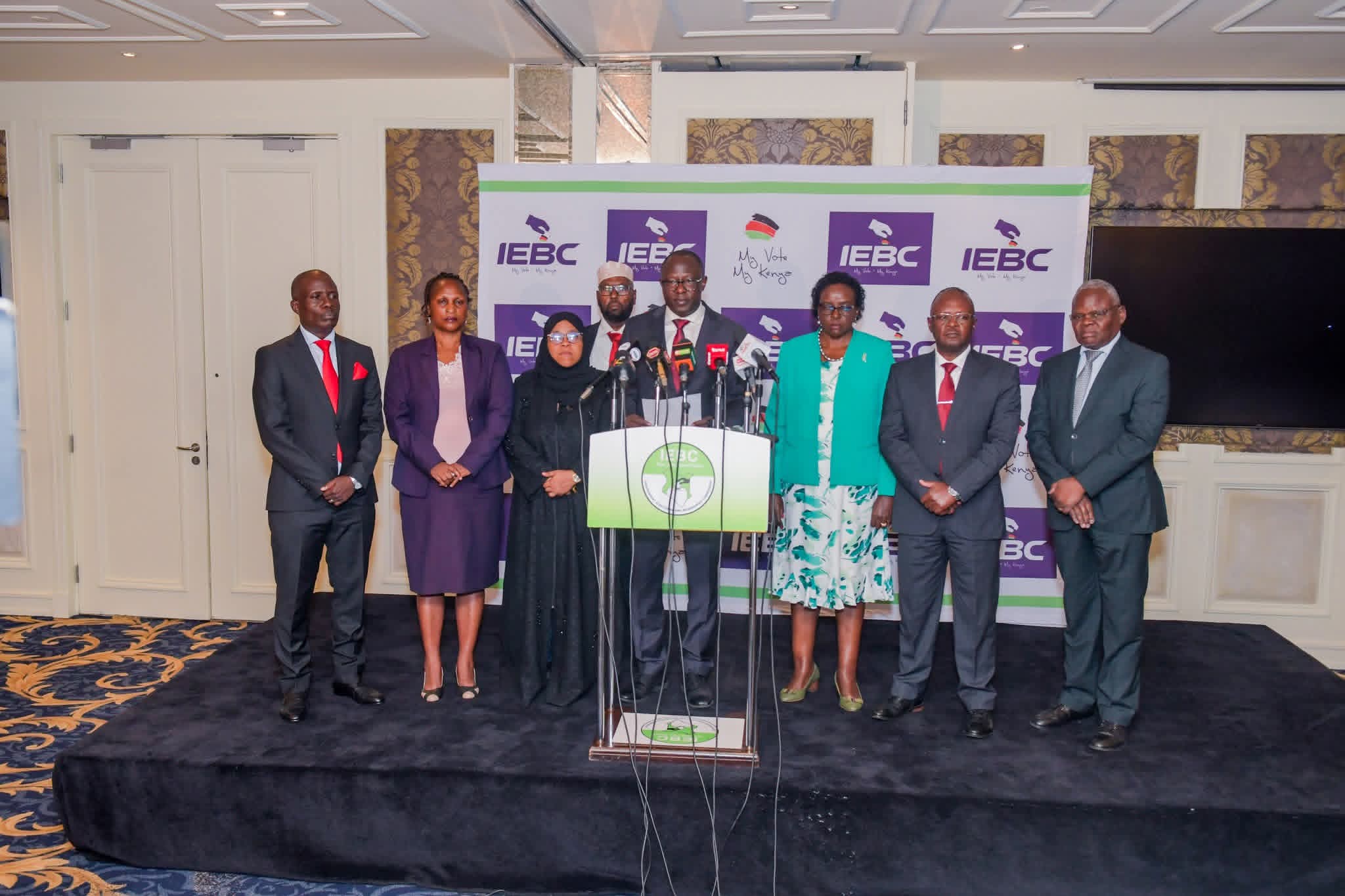
IEBC Chairperson addresses the media yesterday after the conclusion of Phase One of the nationwide voter registration exercise, outlining key challenges including poor infrastructure, technical failures of biometric kits, low turnout in some regions, and accessibility barriers affecting persons with disabilities.
The chairperson of the Independent Electoral and Boundaries Commission (IEBC) has outlined a series of challenges that affected the just-concluded Phase One of the nationwide voter registration exercise, conducted yesterday across the country.
Addressing the media after the exercise, the chair emphasized that while the process achieved its objectives, several operational, logistical, and social hurdles were encountered, particularly in efforts to reach all eligible Kenyans.
A major challenge cited was the difficulty in accessing remote and marginalized areas, especially within pastoralist communities. The chair noted that vast distances between settlements, coupled with poor road networks, made it hard for registration officials to reach interior wards. In some instances, staff had to walk long distances or navigate through muddy and impassable roads to access citizens. These conditions slowed down the process and limited coverage in certain regions.
Logistical constraints also emerged as a key concern. The commission faced shortages in transport and delays in deploying essential equipment to some registration centers. Additionally, biometric voter registration kits experienced occasional technical failures, which disrupted the registration process. These systems are critical in ensuring that each voter is uniquely identified, but the breakdowns led to temporary halts and slowed down service delivery in affected areas.
The chair further pointed out that turnout was uneven across the country. While some regions recorded high numbers, others experienced low participation. This was particularly evident in areas where residents are highly mobile, such as pastoralist zones, where individuals often move in search of pasture and water. As a result, many eligible voters were not present during the registration period.
Another challenge highlighted was limited participation among persons with disabilities. Despite the commission’s efforts to promote inclusivity, some registration centers were not fully accessible. Physical barriers and limited support systems made it difficult for some individuals to register, indicating the need for improved infrastructure and targeted interventions in future exercises.
Security concerns were also reported in a few regions, though the exercise remained largely peaceful. The chair noted that isolated incidents required intervention from security agencies to ensure the safety of both electoral staff and the public. In some cases, these concerns caused temporary disruptions to the process.
Misinformation and lack of awareness among sections of the public also posed a challenge. Some eligible voters were unclear about registration requirements or unaware of designated centers. This led to confusion, with some stations experiencing overcrowding while others recorded low turnout. The chair stressed the importance of strengthening public education and communication strategies moving forward.
Weather conditions further complicated the exercise. Heavy rains experienced in parts of the country made roads difficult to pass, particularly in rural areas. Flooded and muddy routes delayed movement for both officials and citizens, affecting the overall pace and efficiency of the registration process.
The commission also faced staffing challenges, especially in densely populated areas. Available personnel were stretched as they worked to serve large numbers of people within limited timeframes. Some officials were forced to work extended hours under difficult conditions, leading to fatigue and reduced efficiency in certain centers.
Coordination at the grassroots level was another issue raised. The chair noted that in some areas, collaboration with local stakeholders was not as effective as expected. Delays in mobilization and communication contributed to lower turnout in certain wards, highlighting the need for stronger partnerships with community leaders and organizations in future phases.
Despite these challenges, the IEBC chair maintained that the commission had gathered valuable lessons from Phase One. These insights, the chair said, will guide improvements in subsequent phases of voter registration, with a focus on enhancing accessibility, efficiency, and inclusivity.
The commission reiterated its commitment to ensuring that every eligible Kenyan has an opportunity to register as a voter. Addressing the challenges experienced will be key to strengthening the credibility and effectiveness of the electoral process.