

Kenya Urged to Safeguard Human Rights Ahead of 2027 Polls Amid Regional Democratic Decline

Kenya has been urged to strengthen human rights protections ahead of the 2027 General Election to avoid electoral violence and democratic backsliding witnessed in parts of Africa.
This call was made during the National Symposium on Human Rights and the Ballot in Africa: Challenges and Opportunities, held on December 16, 2025, at the Ole Sereni Hotel, Nairobi, under the theme “Securing Human Rights Before the Ballot: Lessons for Kenya 2027.”
The symposium brought together human rights defenders, election experts, civil society actors and legal practitioners to examine pre-election human rights trends in Tanzania, Uganda and Cameroon, and draw lessons to inform Kenya’s electoral preparedness.
Speaking at the forum, Friedrich Naumann Foundation for Freedom Executive Director Njeri Kabeberi warned that shrinking civic space, political repression and weakened electoral institutions across the continent posed serious risks to Kenya’s democratic stability if left unchecked.
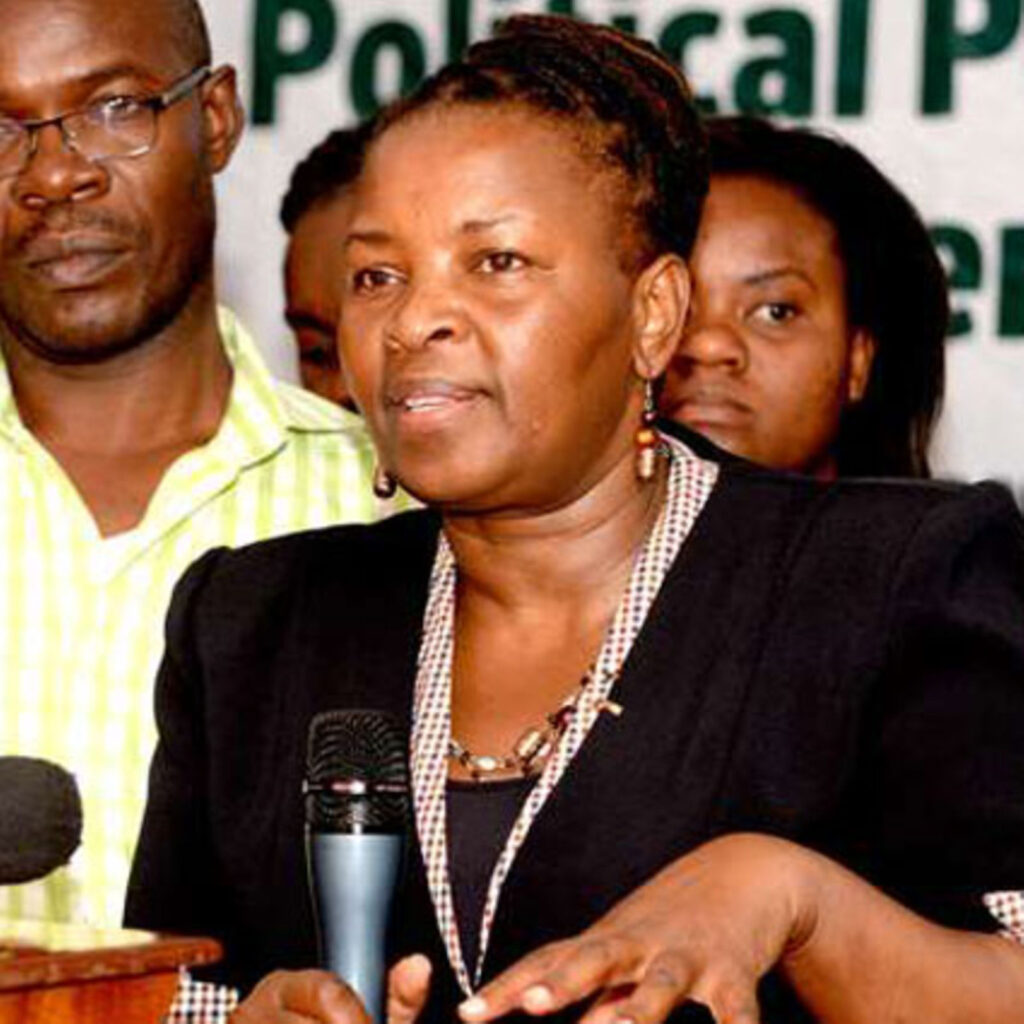
“Across Africa, pre-election periods are increasingly marked by arrests of opposition leaders, restrictions on freedoms and manipulation of institutions. Kenya must take deliberate steps now to prevent a similar trajectory,” Kabeberi said.
She cited developments in Uganda, Tanzania and Cameroon, noting that the imprisonment of opposition leaders, suppression of dissent and erosion of electoral credibility had undermined public trust and regional democratic norms.
Kabeberi also raised concerns over recent incidents of violence, arrests and alleged abductions witnessed during youth-led protests in Kenya in 2024 and 2025, warning that such trends could escalate during the election period if not addressed.
She emphasized the constitutional mandate of Chapter Fifteen institutions, including the Independent Electoral and Boundaries Commission (IEBC), to act independently and safeguard the Constitution.
“Once appointed, these institutions must rise above political interests and defend the Constitution. If office holders are unable to do so, they should step aside,” she said, urging Kenyans to hold independent institutions accountable.
Evance Ogada, an advocate and Chair of the Rule of Law Committee at the East Africa Law Society, cautioned that unresolved electoral violence and political intimidation witnessed during recent by-elections could threaten the credibility of the 2027 polls.
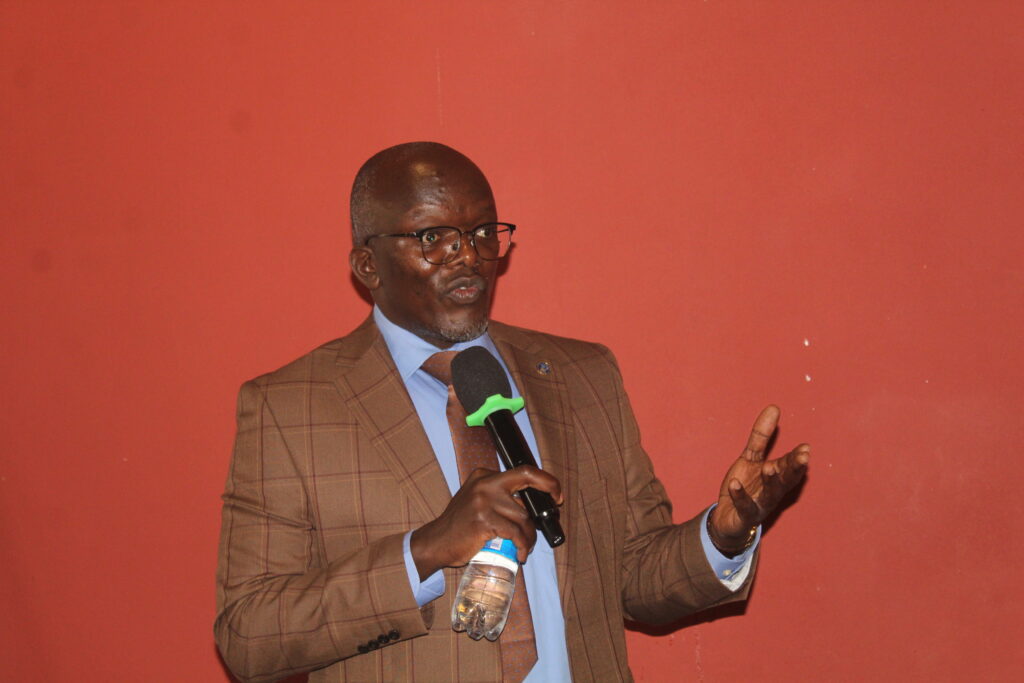
“If these acts are repeated on a national scale, Kenya risks sham elections rather than a genuine democratic exercise,” Ogada warned.
He called for impartial enforcement of the law, accountability for perpetrators of electoral violence and respect for the independence of the IEBC and security agencies.
Ogada further reminded election officials of their constitutional oath, warning that negligence or misconduct could attract future criminal liability.
“History will judge those entrusted with managing elections. International criminal accountability does not expire,” he said.
On his part, Michael Aboneka from the Centre for Human Rights at the University of Pretoria emphasized the need for accountability and protection of fundamental freedoms, including freedom of expression and access to information.
Aboneka warned against election-related internet disruptions and political interference in the appointment of electoral commissioners, saying such actions undermine public confidence and the will of the people.
“Stealing an election is a direct assault on democracy. Kenya must ensure citizens can participate freely, without fear, violence or repression,” he said.
Participants agreed that early preventive measures, institutional independence and an active civil society were critical to safeguarding Kenya’s democratic gains ahead of the 2027 General Election.