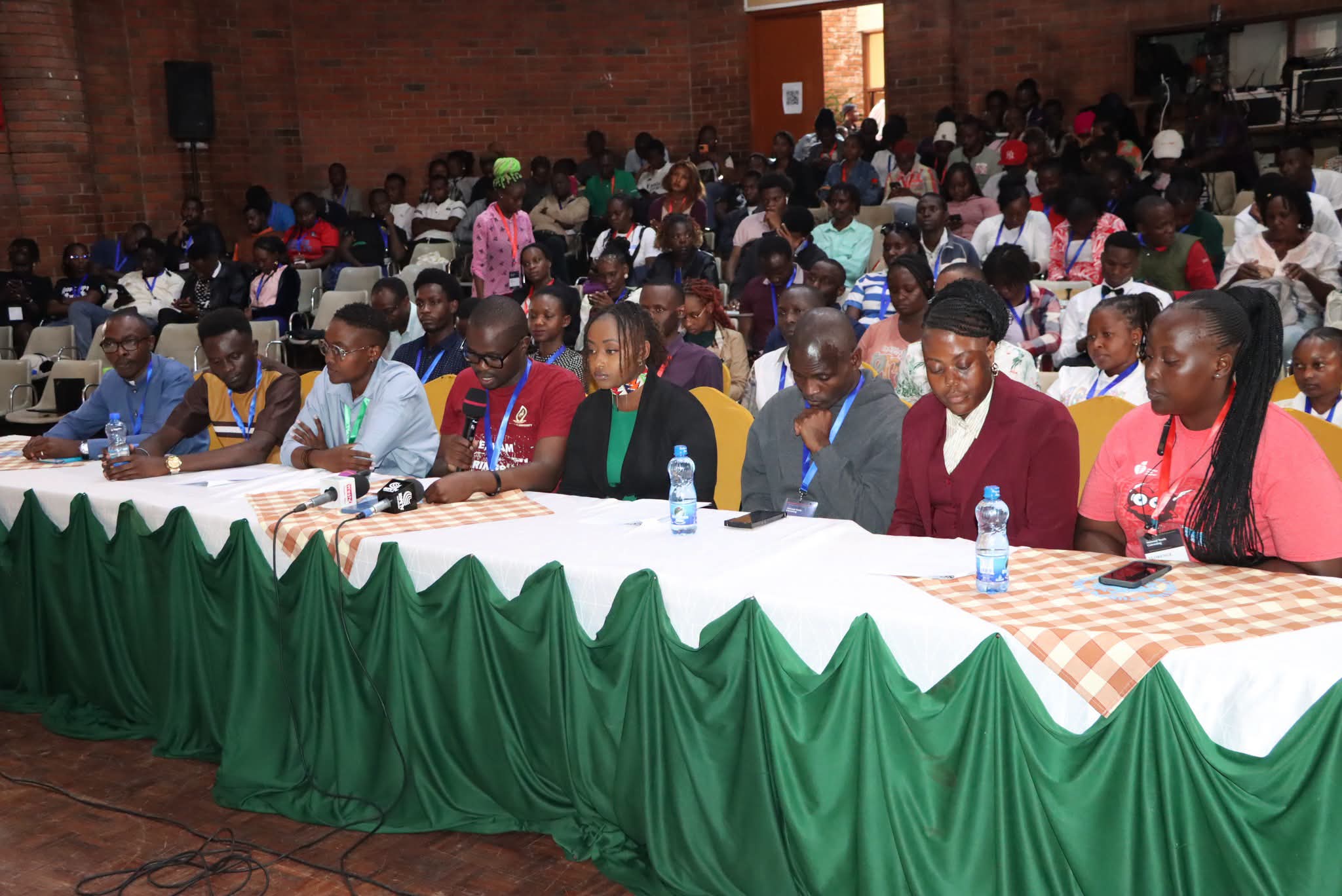

World Vision Kenya Calls for Sustained Commitment to End Female Genital Mutilation
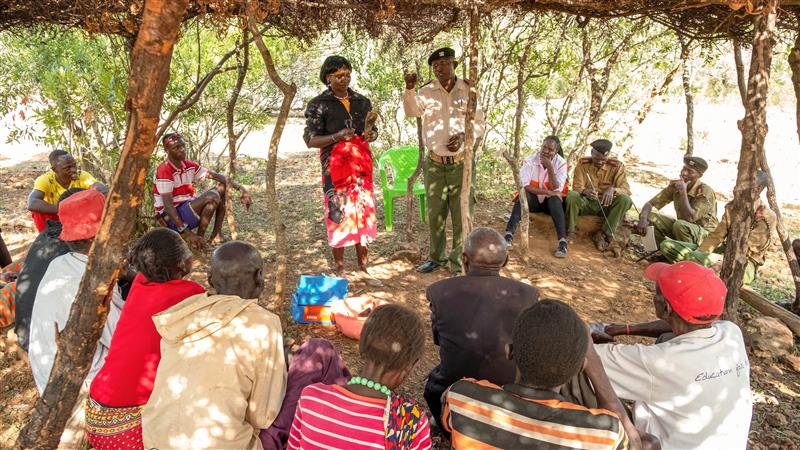
Nairobi, Kenya – World Vision Kenya (WVK) joins the global community in marking the International Day of Zero Tolerance for Female Genital Mutilation (FGM), under the global theme “Towards 2030: No End to Female Genital Mutilation Without Sustained Commitment and Investment.” This day is a reminder that ending FGM is a shared responsibility that demands long-term commitment, collective action, and adequate investment. FGM is a harmful practice that violates the rights, health, and dignity of girls and women. It has no health benefits and causes lifelong physical, emotional, and psychological harm. Despite progress in some countries, millions of girls remain at risk, particularly in communities where harmful norms, gender inequality, and poverty persist.
Globally, more than 230 million girls and women alive today have undergone FGM, with millions more at risk if current trends continue. Each year, an estimated 4 million girls are at risk of undergoing FGM, a number projected to rise due to population growth unless efforts to end the practice are accelerated. FGM is internationally recognised as a violation of human rights and a form of violence against women and girls, with serious consequences for maternal health, mental well-being, and gender equality. While progress has been made, global commitments must be matched with sustained financing, community-led solutions, and protection for the most vulnerable to achieve elimination by 2030.
Kenyan Local Perspective
Kenya has made notable progress in reducing the prevalence of FGM over the past two decades, supported by strong legislation, advocacy, and community engagement. According to the Kenya Demographic and Health Survey, national prevalence among women aged 15–49 has declined significantly, reflecting sustained efforts by the government and partners5. However, FGM remains deeply rooted in some communities, particularly in rural and pastoralist areas, where girls continue to face heightened risk due to cultural pressure, poverty, and limited access to education and protection services[5]. Without targeted, community-driven interventions, progress remains uneven and fragile.
World Vision Kenya is Committed to End FGM
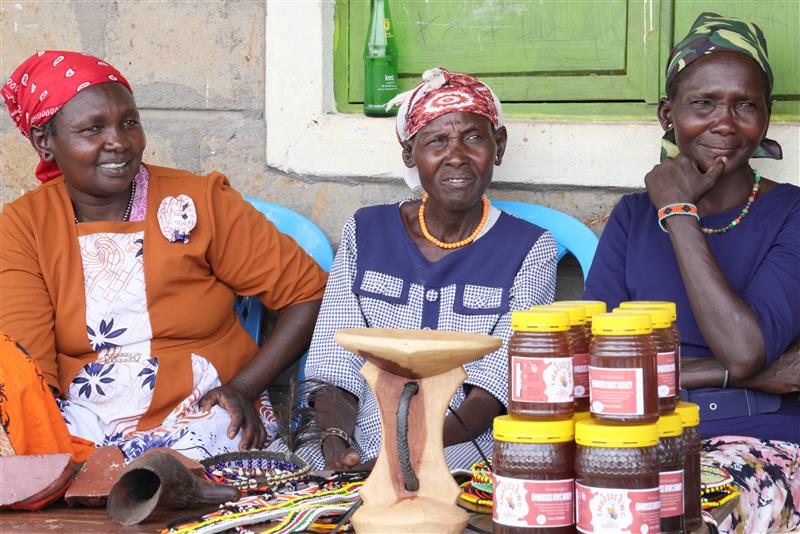
World Vision Kenya, through the Big Dream to End Child Marriage (BDECM), remains committed to ending FGM and supporting girls and communities toward abandonment of this harmful practice.
Through community-centred, evidence-based interventions, WVK is working with families, leaders, practitioners, and young people to shift harmful norms, expand protective environments, and invest in sustainable abandonment.
Key Achievements on Interventions Aimed at Ending FGM in the year 2025 include:
- 3,242 children were reached through community-owned Alternative Rite of Passage (ARP) across Migori, Narok, Turkana, Marsabit, and Samburu counties. ARP provided a culturally accepted alternative to harmful rites, allowing girls and boys to transition to adulthood without undergoing FGM. This reduced pressure on families to cut girls while preserving positive cultural identity and protecting girls from lifelong harm.
- 2,934 men and boys were engaged in Ending FGM and Harmful Practices: Engaging men challenged long-held beliefs linking FGM to marriage, ability and honour. As attitudes shifted, men increasingly supported uncut girls and became advocates for abandoning FGM within households and communities.
- 3,961 participants took part in community Change Model for Social Norm Transformation: Structured dialogues enabled communities to openly examine the consequences of FGM and question its value. This collective reflection strengthened local decisions to abandon the practice and increased accountability against planned cutting.
- Education Access Interventions Reducing FGM Risk: Keeping girls in school reduced their exposure to FGM and lowered their risk of early marriage and other harmful practices. Through these interventions:
- 2,117 girls were supported with school fees subsidies, enabling them to remain in school and reducing their exposure to FGM, especially during high-risk cutting periods.
- 254 girls were placed in vocational training, giving them practical skills and economic pathways that reduced dependence on early marriage and harmful practices such as FGM.
- 28,735 girls and boys received dignity kits, supporting school attendance, personal dignity, and confidence, particularly for adolescent girls who might otherwise drop out and face increased FGM risk.
- 10,563 children received learning materials, strengthening school participation and keeping children engaged in protective learning environments.
- 12,182 adolescents were reached with Sexual Reproductive Health & Rights and gender training, equipping them with knowledge to recognise, resist, and report harmful practices, including FGM.
“Female Genital Mutilation is a violation of the rights and dignity of girls. Ending it requires sustained commitment from all of us. When we protect girls, keep them in school, and support communities to lead change, we create a future where every girl can grow up safe, healthy, and hopeful,” says Gilbert Kamanga, National Director, World Vision Kenya.
A Call to Action by WVK
As we mark this International Day of Zero Tolerance for Female Genital Mutilation, World Vision Kenya calls on all Kenyans to renew their commitment to ending this harmful practice:
- Government to strengthen enforcement of laws, invest in prevention and survivor-centred services, and prioritise high-risk regions.
- Faith and Community Leaders to continue challenging harmful norms and protecting girls with compassion and courage.
- Civil Society and Media to raise awareness, educate communities, and amplify survivorcentred messaging responsibly.
- Development Partners and the Private Sector to sustain investment in proven, community-led solutions.
- Families and Communities to protect girls, keep them in school, and reject practices that endanger their futures.