
When Kala-azar Delays Motherhood: The Regional Burden Women Carry in West Pokot County
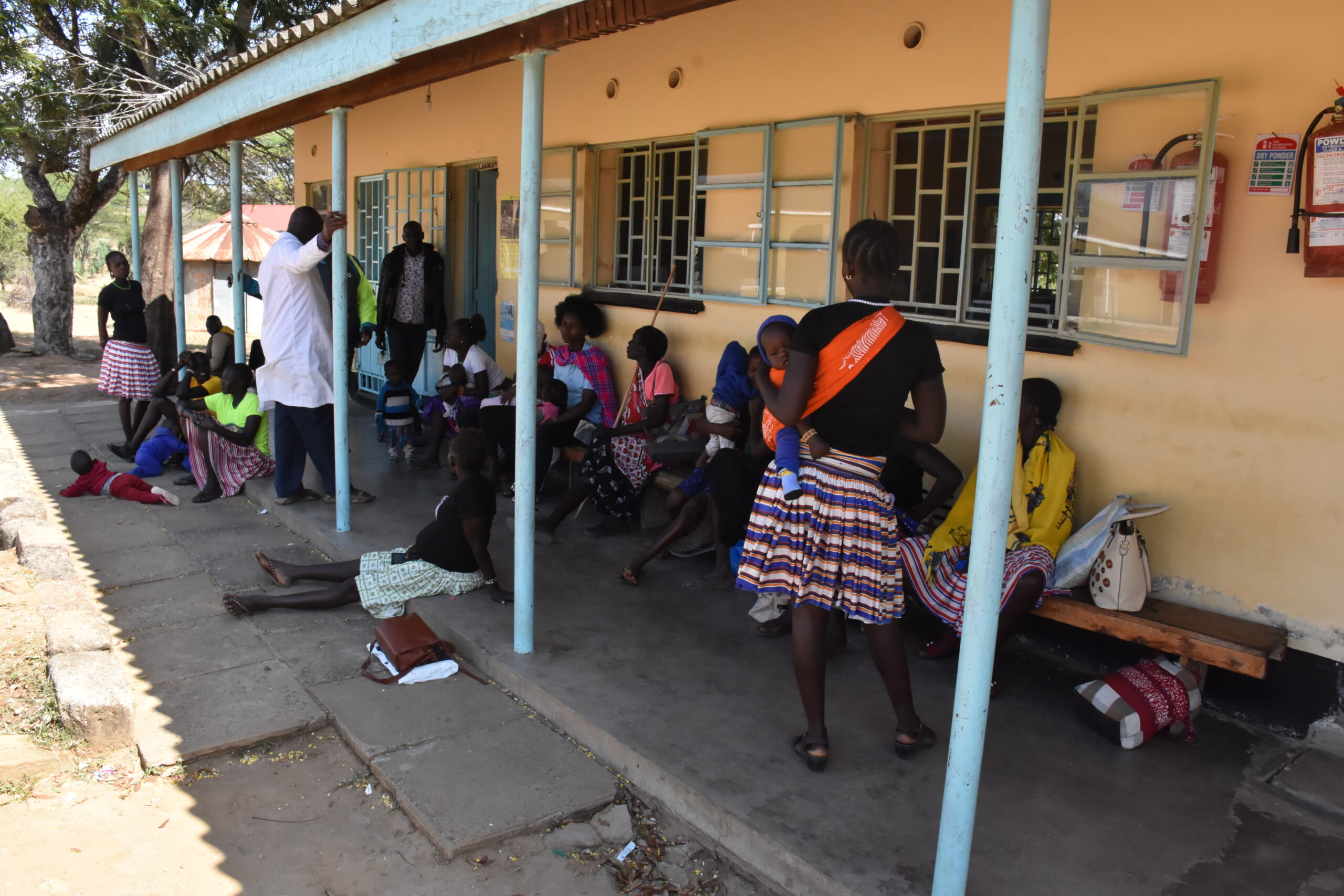
West Pokot County, Kenya: Beyond fever, weight loss and enlarged spleen(splenomegaly) or liver (hepatomegaly) together known as (hepatosplenomegaly), kala-azar quietly disrupts women’s reproductive health, causing fear, stigma, and delayed pregnancies that often go unnoticed but are reversible with early treatment. News Light Kenya’s Health and Science Correspondent, Henry Owino visited West Pokot, one of the Kala-azar endemic area and filed the following report.
In the sun-scorched villages of Kacheliba Sub-County, West Pokot, kala-azar moves quietly settling into homes, bodies, and lives long before it is named. For many women, the disease announces itself not only through relentless fever and wasting, but through missed menstrual cycles, delayed pregnancies, and the unspoken fear of infertility.
Months pass in silence, as women struggle to understand what is happening to their bodies. Everybody questions and those who are ignorant blame women for use of modern contraceptives which their culture hardly ever advocates for.
Others also claim infiltration of western culture is taking toll in the conservative community. Unhealthy diet, particularly high in processed foods, trans fats, and sugar impairing ovulation in women and lower sperm quality in men.
Many families suffer silently despite sustained public awareness efforts and the availability of free kala-azar treatment at Kacheliba Sub-County hospital. To make matters worse, illiteracy, community detachment, and deep-rooted cultural beliefs continue to steer many women away from biomedical care, pushing them instead toward traditional remedies.
The situation is devastating as kala-azar strips community of health. It profoundly impacts community health, often trapping impoverished rural communities in a vicious cycle of sickness, poverty, and mortality.
Thus, low productivity, and no peace of mind, thereby turning a treatable disease into a slow-moving health crisis.
The Pokot people have deep-rooted traditional beliefs regarding maternal and child health, where they consider pregnant women vulnerable to diseases and, in traditional contexts, sometimes attribute illnesses to spiritual causes, including witchcraft.
Many herbalists and magicians take advantage to swindle money out of ignorant and innocent clients before disappearing, leaving the victim in a worse financial or physical state, or demanding ever-increasing fees for “curse removal” or “guaranteed” results.
These fraudulent practitioners often exploit vulnerable and desperate women looking for wealth, healthy life or love using psychological manipulation and fear tactics to rich themselves. Women have died in the hands of such traditional healers.
Escape Death Narrowly
At 28 years old, already a mother of four, Monica Lomoler, came frighteningly close to becoming another statistic. By the time she reached Kacheliba Sub-County hospital, her abdomen was visibly distended, her body consumed by weeks of high fever and rapid weight loss.
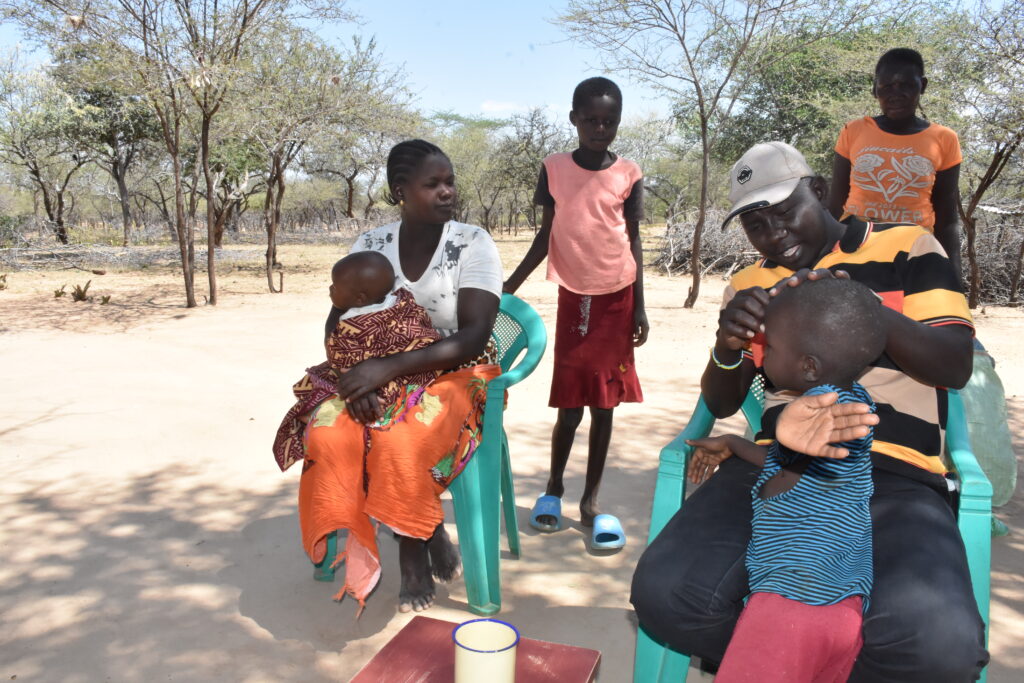
Lomoler’s spleen and liver were dangerously enlarged clear signs that kala-azar had taken hold and was close to claiming her life. She survived because she arrived just in time courtesy of DNDi’s Community Health Promoter, Isaac Nyeri.
At the health facility, she was diagnosed with kala-alazar and put under medication for close to a month. Upon discharged, Lomoler was recuperating at home visiting the health facility fortnightly to ensure well recovery.
Before becoming sick, Lomoler had given birth to one child when the disease strikes her. She had fallen sick several times unaware it was kala-azar.
During the period she suffered from kala-azar, she was unable to conceive, despite her desire to have a second child. She already had one child, aged two years and her husband was eager to father another child but the pregnancy was not coming forth.
As time passed, her husband began considering marrying another wife in the hope of having more children. The pressure and fear deeply distressed her, pushing her to spend large sums of money on herbal treatments in search of a cure.
“After many unsuccessful attempts, I lost hope of bearing another child and resigned myself allowing my husband to marry a second wife to be my co-wife,” Lomoler recalls.
A few neigbours had told her to be suffering from Lupus, a condition in which the body’s immune system attacks its own tissues and organs. This was due to signs and symptoms she manifested, so urged her to visit hospital for diagnosis but declined.
“I became sick frequently and thought it was due to second pregnancy which never. Unfortunately, I lost that pregnancy due to kala-azar unknowingly. Even after losing it, I still believed it was due to a witchcraft so never gave it serious medical attention apart from visiting traditional herbalists,” Lomoler explains regreting.
Lomoler had strong believe that somebody bewitched her, therefore she highly depended on herbs from herbalists and witchdoctors for close to five months before she became seriously sick.
“I stayed three years without becoming pregnant despite trying to conceive for a second born. My husband became impatient of waiting for pregnancy and even doubted whether I was secretly using contraceptives or not,” she discloses.
Community Common Misconceptions
About 15 kilometres away, Katherine Nasipae, a 27-year-old woman from Alale Ward in Pokot North Sub-County, made the journey to Kacheliba Sub-County Hospital seeking help for a maternal health problem. It was through Nyeris, a community health mobiliser, that she first learned kala-azar treatment was available at the facility a piece of information that would change the course of her life.
Nasipae did not hesitate after learning about the signs and symptoms of kala-azar and its impact on young women of reproductive age. Her conversation with Nyeris, the community health mobiliser, convinced her to make the long journey to Kacheliba Sub-County Hospital, even though Alale Health Centre, a trusted facility known for providing quality care served her local community in West Pokot.
“I became very thin and tired all the time,” says Nasipae, a woman from Alale area. “My periods stopped, and people started talking. Some said I could not give birth. I did not know kala-azar can do this.”
Nasipae however, admits health workers in the Alale area say such stories are common but she never took it seriously.
“When kala-azar attacks, the body prioritizes survival,” explains Edwin Abner, Clinical Officer and Laboratory Technician at Kacheliba Sub-County hospital. “Severe anaemia and malnutrition interfere with ovulation. Pregnancy becomes difficult not because a woman is infertile, but because her body is too weak. Once treated, many women recover fully.”
Abner regrets that communities where motherhood is deeply tied to identity and respect, delayed pregnancy can expose women to blame, isolation, and emotional distress.
“Women suffer silently,” says Phillip Ng’etich, a Community Health Promoter in Sigor, Central Pokot area “They are questioned by families and partners, yet the real problem is a disease that is treatable. Awareness is still very low that kala-azar actually affects fertility of women.
Health experts stress that early diagnosis and timely treatment can restore health and fertility. But delays often caused by distance to health facilities, stigma, or lack of information—mean women lose precious time and confidence.
“Kala-azar is more than a fever,” the health worker adds. “If we treat it early, we protect women’s health, dignity, and future motherhood.”
Early Diagnosis and Treatment
According to David Kiptanui, Clinical Officer at Kacheliba Sub-County hospital, kala-azar just like malaria may cause temporary infertility and reproductive dysfunction in women primarily through severe physiological stress, profound anemia, and chronic, systemic inflammation that disrupts the endocrine system.
“The kala-azar is caused by sandflies scientifically known as Leishmania parasites, which acts as a systemic infection that impacts the body’s ability to maintain normal reproductive cycle,” Kiptanui explains.
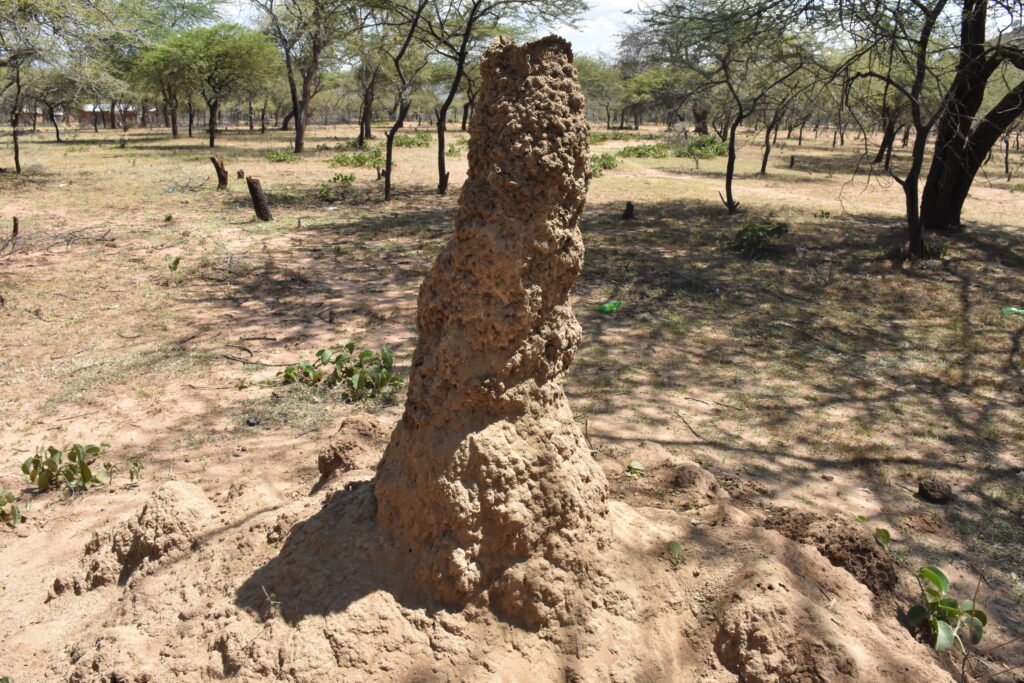
Therefore, kala-azar just like malaria transmitted by mosquito, may cause temporary infertility primarily through severe systemic illness, hormonal disruption, and, in some cases, the direct impact of, or reaction to, treatment. All these are easily prevented by proper, early diagnosis and treatment.
For instance, in case of kala-azar, intense inflammatory response to the infection suppresses the hypothalamic-pituitary-gonadal axis, which is necessary for normal ovulation and menstrual cycles. So, delay in treatment worsen situation and if not treated in time, may lead to fatalities.
Additionally, systemic illness and nutritional stress, severe anemia, malnutrition, and cachexia (wasting) associated with kala-azar leads to amenorrhea (absence of menstruation) and infertility, as the body redirects energy away from reproduction to survive the infection. This happens due to late diagnosis hence more organs may be infected.
“Since the Leishmania parasites primarily target macrophages in the spleen, liver, and bone marrow, chronic infection can affect the endocrine system, including potential impairment of reproductive glands thereby interfere with fertility cycle,” Kiptanui clarifies.
In pregnant women, the disease often leads to adverse outcomes, including miscarriage or premature delivery, which are often categorized under the temporary loss of reproductive capability. Consequently, any woman in kala-azar endemic area is advised to visit health facility frequently weather pregnant or not.
Kala-azar and Women’s Health
Generally, kala-azar is a disease of poverty that disproportionately affects women in arid and semi-arid regions with limited access to healthcare, poor housing, and high levels of malnutrition. These conditions increase women’s vulnerability and delay timely treatment.
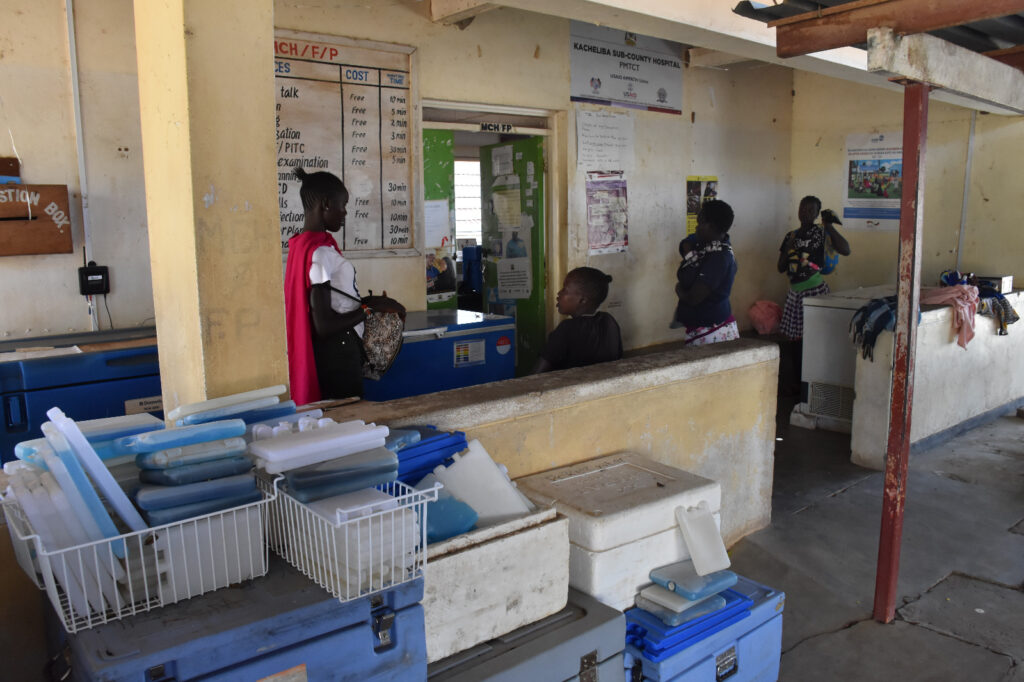
Although treatment may be free in some areas, the disease often leads to catastrophic health costs for families due to transport expenses, loss of income, and long hospital stays, burdens that fall heavily on women as caregivers and patients, deepening chronic poverty.
Women are further affected by the disease’s impact on children and marginalized groups, as many cases in East Africa involve young children, increasing caregiving demands and emotional stress on mothers.
Young women of reproductive age are at higher risk of temporary taking away their ability to become pregnant but only during illness. Kala-azar can quietly steal time a woman can never get back. Time is especially precious for women of reproductive age for their fertility window is biologically limited.
Additionally, issues to do with health, social, and economic factors make every year significant for women of reproductive age because it can significantly affect, disrupt, and alter an individual’s biological clock.
Dr John Odero Ong’ech, an experienced Obstetrician and Gynaecologist at Kenyatta National and Referral hospital affirms this that scientifically, women are born with a fixed number of eggs.
Dr Ong’ech therefore, reiterates biological fertility window of most women is highest in the late teens to late 20s, gradually declining after age 30, and more sharply after 35.
“Time is precious for women of reproductive age because fertility naturally declines with age, and illnesses like kala-azar can temporarily delay pregnancy. So, early treatment and care protect health and future motherhood,” Dr Ong’ech attests.
Consequently, the expert Gynaecologist cautions any delays due to illness, malnutrition, or other reproductive health issues like kala-azar, untreated infections, or hormonal disorders can reduce the chance of conception.
Local Administration Partnership with Donors
Joshua Loinet, Area Chief, Suam Location reveals that for many years, the Pokot community believed kala-azar is a witchery that is only sorted out by witch-doctors. The regressive belief denied many people including women biomedical treatment opportunity.
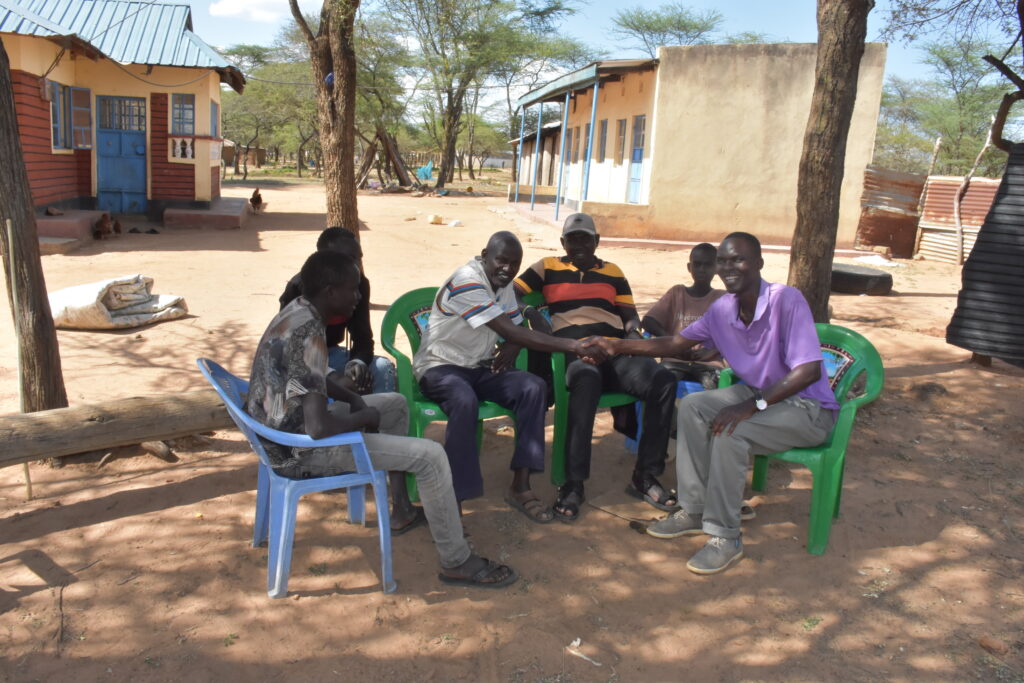
As a result, Chief Loinet explains some women became permanently infertile, incapable of bearing children and increases the risk of miscarriage, premature birth, or stillbirth. So, the local government intervened by collaborating with donors to educate residents to accept reality.
“It was not until the Drugs for Neglected Diseases initiative (DNDi) began its work in West Pokot, specifically establishing a research and treatment center at Kacheliba Sub-County hospital, around 2011 that situation has since changed for better to date,” Chief Loinet admits.
The DNDi has worked with partners to build infrastructure, train health providers, and conduct clinical trials for new treatments.
Isaac Nyeris is among trained and deployed by DNDi as Community Health Promoters based in Kacheliba Sub-County sensitizing residents about kala-azar disease that has historically affected the region.
According to Nyeris, knowledge about kala-azar and its effects was once unfamiliar to many residents. Today, however, increasing awareness has led more community members to voluntarily visit health facilities for diagnosis and treatment.
“There are years I could find patients of kala-azar lying outside their houses writhing in pain but nowadays residents walk to the hospital in time following sensitization efforts and free treatment,” Nyeris asserts.
Local health workers report that with early diagnosis and proper treatment; most women regain their strength and fertility. Raising awareness is critical to ensure women seek care early and do not suffer in silence from a preventable and treatable disease.
Lomoler survival is both a testament to the power of timely treatment and a stark reminder of how many women come dangerously close to death before help arrives.
Her story exposes both the fragility and the promise of life in kala-azar endemic communities; where survival often depends on how early illness is recognized, how quickly care is sought, and whether women are empowered with knowledge that can save their lives.
Regional Burden
In West Pokot, the fight against kala-azar is not only a medical battle, it is a struggle for awareness, trust, and timely action.
According to Linet Atieno, Head of Communications at DNDi Nairobi, Kenya.kala-azar, known scientifically as visceral leishmaniasis (VL), is indeed classified as a neglected tropical disease (NTD) by the World Health Organization (WHO) and is one of the deadliest parasitic killers after malaria.
Kala-azar disproportionately affects poor, rural, and marginalized communities in East Africa, with over 70% of the global burden occurring in this region. It affects millions of people in Africa despite being preventable and treatable. The disease is fatal in over 95% of cases if left untreated.
The highest burden of the disease is in East Africa, specifically affecting countries including Sudan, South Sudan, Ethiopia, Kenya, Somalia, and Uganda.
The DNDi as organization primary focuses on research and development of drugs for the most neglected diseases. For instance, there are at least 27 NTDs such as; kala-azar (Visceral Leishmaniasis), Sleeping Sickness (Trypanosomiasis) Bilharzia (Schistosomiasis), Trachoma, Chagas disease, Intestinal worms (Soil-transmitted helminthiases), Dengue and Chikungunya among others mostly found in remote areas.
Henry Owino is a Nairobi-based health and science journalist reporting on public health, gender, and neglected tropical diseases in underserved communities across East Africa.