
The Empty Chair at the Treasury: Why Children’s Voices Must Move from Hansards to Harvests

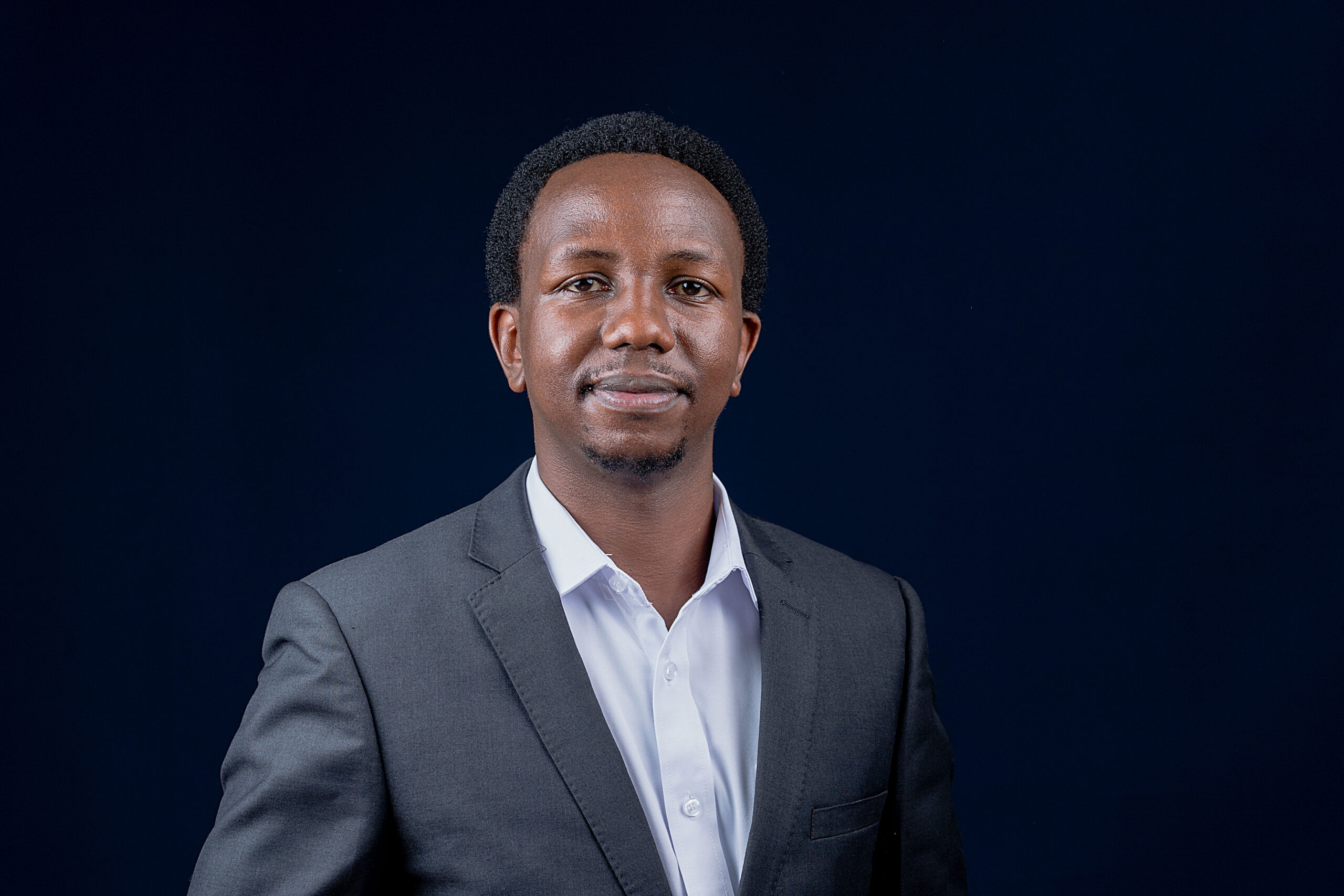
By Joseph Atulo, Head of Platforms (Child Participation and Policy), Mtoto News International
The Budget Policy Statement (BPS) is arguably the most important compass in Kenya’s financial landscape. On February 11, 2026, this critical document was tabled in Parliament, marking a high-stakes moment in the national budget cycle. As lawmakers deliberate on its contents, the air is thick with talk of fiscal consolidation and debt sustainability. But what about the aspirations of 53% of our population our children? Are they being considered?
For years, children across Kenya have spoken clearly and insistently. They have articulated sophisticated demands regarding health and budgeting, calling for fully stocked dispensaries and robust mental health support. In education, they have moved beyond asking for desks to demanding digital equity. In child protection, they have highlighted the gaping holes in social safety nets meant to shield them from violence. They have even engaged with the complexities of ICT infrastructure, understanding that in 2026, an offline child is a sidelined child.
Since 2023, I have had the privilege of convening and facilitating children’s participation in government public forums. I have witnessed children present petitions to officials with a clarity and confidence that often surpasses adult expectations. A significant milestone was reached during the public participation for the FY 2025/26 budget, where children’s involvement hit an all-time high. For the first time, many budget committees truly listened to a child’s perspective on the cost of school meals or the distance to a clean water point.
However, participation without impact is merely “consultation theater.” We have reached a tipping point where children should not be asked for suggestions if their previous contributions continue to be ignored. Inviting children to the table only to offer crumbs of “recognition” without actual budgetary allocation is a form of betrayal. It breeds cynicism in a generation we are meant to nurture for leadership.
As the BPS informs the 2026/27 budget, we must move from inclusion to structural commitment. This requires more than generic references to “vulnerable groups.” It demands visible, traceable allocations: ring-fenced funding to strengthen the National Child Protection Information Management System; targeted investment in digitising rural primary schools; increased primary healthcare funding prioritizing neonatal and adolescent health; and deliberate support for school feeding and water infrastructure in arid and semi-arid regions.
The children have done their part they have researched, organised, and spoken. The responsibility now rests with the Budget and Appropriations Committee and the National Treasury to demonstrate that child participation is not a donor-driven checkbox but a constitutional imperative grounded in public accountability.
A national budget is more than an economic instrument; it is a moral document. It reveals whose needs we consider urgent and whose voices we deem worthy of response. If Kenya is serious about building an equitable and prosperous future, children’s priorities must move from meeting minutes to measurable investments. The empty chair at the Treasury must be filled not symbolically, but substantively by the lived realities of the children this nation is bound to serve.
The budget is a moral document. Today, let it reflect the morality of a nation that listens to its smallest voices and treats their needs with the greatest urgency.