
NCIC Pushes for Renewed Dialogue to End Turkana–West Pokot Conflict
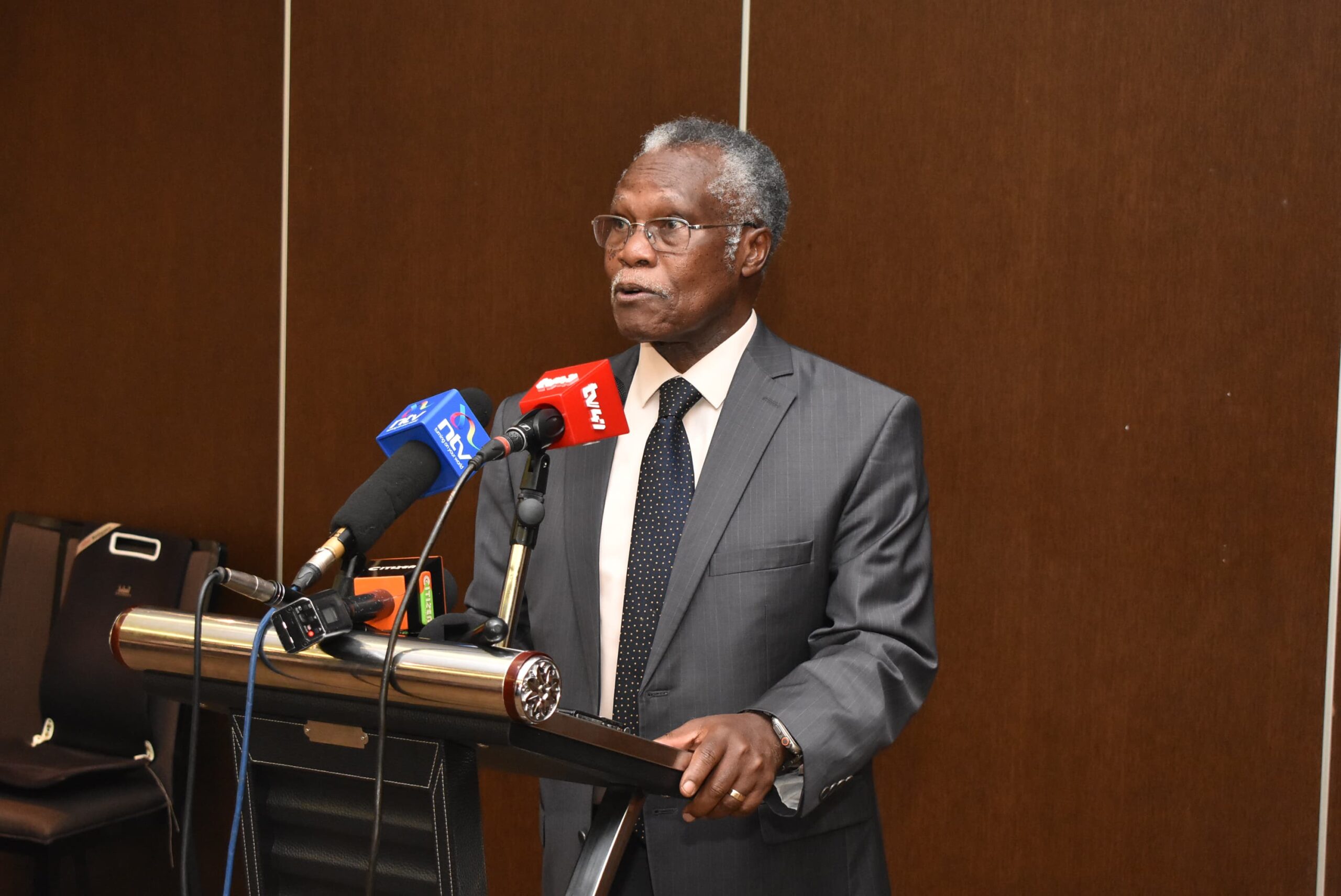
NCIC chairman Dr. Samuel Kobia addressing the press after the Turkana-West Pokot peace dialogue meeting on Monday 11th November 2025 in Nairobi.
The National Cohesion and Integration Commission (NCIC) has renewed calls for inclusive dialogue and stronger commitment from local leaders in efforts to end recurring clashes between the Turkana and West Pokot communities.
Speaking in Nairobi on Tuesday, NCIC Chairperson Rev. Dr. Samuel Kobia said the Commission was deeply concerned by the continued violence over pasture, water, and boundary disputes that have caused loss of lives, displacement, and disruption of livelihoods.
“These conflicts over pasture, water, and natural resources have persisted for decades, taking lives and displacing families,” said Dr. Kobia. “We believe the solution lies in mechanisms that engage community leaders, elders, and local governments from both Turkana and West Pokot.”
Dr. Kobia said the Commission had identified four urgent areas needing intervention, the surge in communal conflict, inflammatory messages on social media, the proliferation of small arms, and competition over resource-rich areas such as Nang’yat and Nami Yosip, where gold mining has become a new flashpoint.
The Commission convened a joint peace meeting on Tuesday, November 10, 2025, with leaders from the National Assembly, Senate, and the county governments of both Turkana and West Pokot. However, while the Turkana delegation, led by Governor Jeremiah Lomorukai, turned up in full, only two representatives from West Pokot attended, Kapenguria MP Peter Lonyangapuo and the County Woman Representative.
“The leadership of Turkana County showed great commitment to dialogue,” Dr. Kobia said. “We appreciate the two leaders from West Pokot who attended and urge the rest of the county’s leadership to also come to the table so that sustainable peace can be achieved.”
Among the key issues raised by the Turkana delegation were ethnic and political incitement, overlapping administrative boundaries causing confusion and insecurity, and what they termed selective disarmament. They called for equal and fair application of firearm surrender measures across both communities.
The leaders also highlighted long-standing grievances, including historical injustices, economic marginalization, and unequal government response to past attacks. Dr. Kobia noted that NCIC was probing claims that some investors involved in gold mining along the border could be contributing to tensions and may be shielded by powerful interests.
“We have received concerns about certain individuals or investors being protected from accountability. We will investigate these claims thoroughly,” he assured.
Dr. Kobia added that the Commission would continue engaging both county leaderships and national security agencies, including the Ministry of Interior, the Ministry of Lands, and the IEBC to resolve boundary and administrative disputes that have fueled friction.
“Our next step is to hold a separate meeting with West Pokot leaders to understand their position, after which we will convene a joint session to finalize a peace framework,” he said.
He reiterated that the NCIC’s priority was to ensure lasting peace built on justice, fairness, and inclusive development for all communities along the Turkana–West Pokot border.