
“Maisha ni Mbaya” as Economic Strain Bites Kenyans

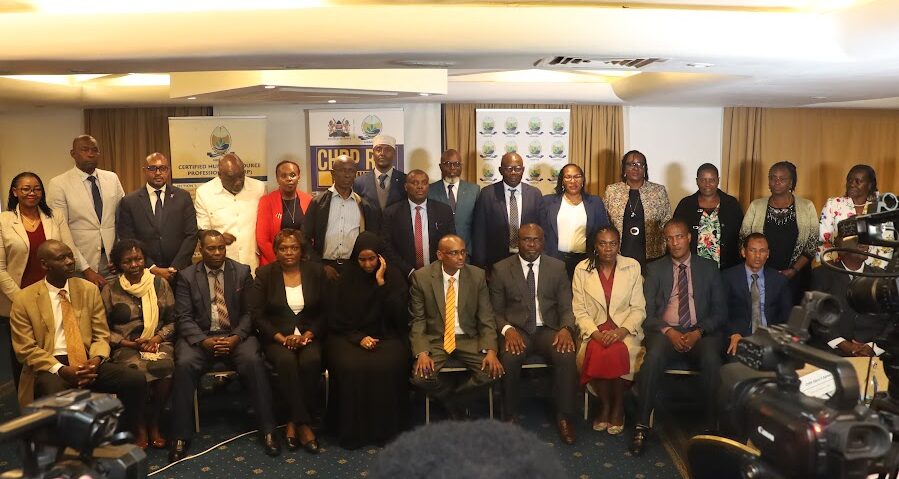
Civil society leaders during a press briefing in Nairobi on March 18, 2026
Rising living costs, shrinking job opportunities and growing pressure on essential public services are leaving many Kenyan households struggling to make ends meet, with Civil Society Organizations warning that the country is experiencing deepening economic hardship.
For many citizens, the phrase “Maisha ni Mbaya” has become the clearest expression of that struggle, a slogan increasingly used to describe the daily reality of families grappling with high food prices, unemployment and uncertain economic prospects.
Speaking during a joint press briefing in Nairobi on Wednessday, Dr Kawive Wambua Chief Executive Officer Inuka Kenya Ni sisi said the phrase reflects the lived experiences of millions of Kenyans facing mounting financial pressure.
“Maisha ni mbaya for millions of Kenyans, and this is not just a phrase. It is a daily reality marked by rising cost of living, shrinking opportunities and growing uncertainty about the future,” Wambua said.
Stakeholders drawn from civil society organisations, labour unions, youth formations, governance actors and faith institutions said the economic strain is increasingly affecting critical sectors such as healthcare, education and employment.
According to the groups, public services are under pressure as institutions struggle with limited resources while demand continues to grow.
Njeri Mwangi Co-founder PAWA254 said the strain is particularly visible in the country’s education and healthcare systems.
“Kenya’s education and health systems are under significant strain. Persistent capitation challenges, overcrowded classrooms and under-resourced hospitals continue to undermine service delivery,” she said “A growing number of young people face unemployment and deepening disillusionment.”
They warned that failure to address these economic pressures could widen inequality and deepen social discontent if urgent policy interventions are not implemented.
Civil Society leaders also questioned national spending priorities, arguing that more resources should be directed toward sectors that directly improve the lives of citizens.
“The State House budget cannot expand while hospitals collapse and classrooms overflow,” the statement read.
They called for targeted investment in healthcare, education and youth employment programmes to ease the burden on Kenyan households and strengthen the country’s long-term economic resilience.
Policymakers were urged to focus on human development, warning that failure to invest in critical sectors such as healthcare, education and employment could have long-term consequences for the country’s economic stability.
Civil society leaders emphasised that addressing the economic hardship facing many Kenyans will require coordinated action from government, institutions and citizens.
They also encouraged young people to remain actively engaged in civic processes, including registering as voters and participating in national conversations on policies that affect the country’s economic direction.
The stakeholders said meaningful public participation will be critical in shaping solutions that respond to the economic challenges currently confronting millions of Kenyan households.