

Kenya Pushes Resilience-First Humanitarian Model at UN Forum
By mina , New York
Kenya has used a high-level United Nations forum to champion a new approach to humanitarian assistance, urging the international community to shift its focus from emergency aid to long-term resilience financing.
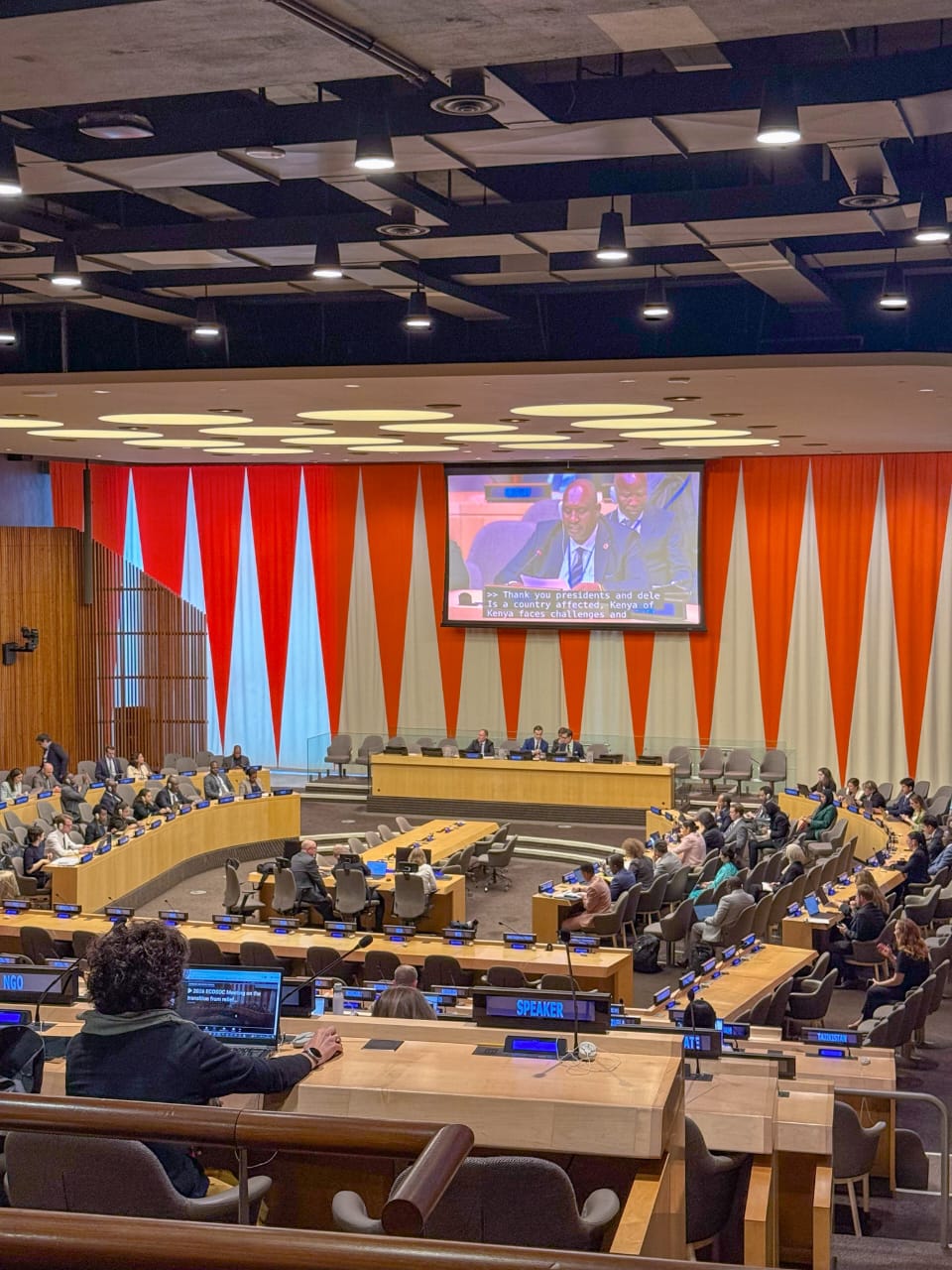
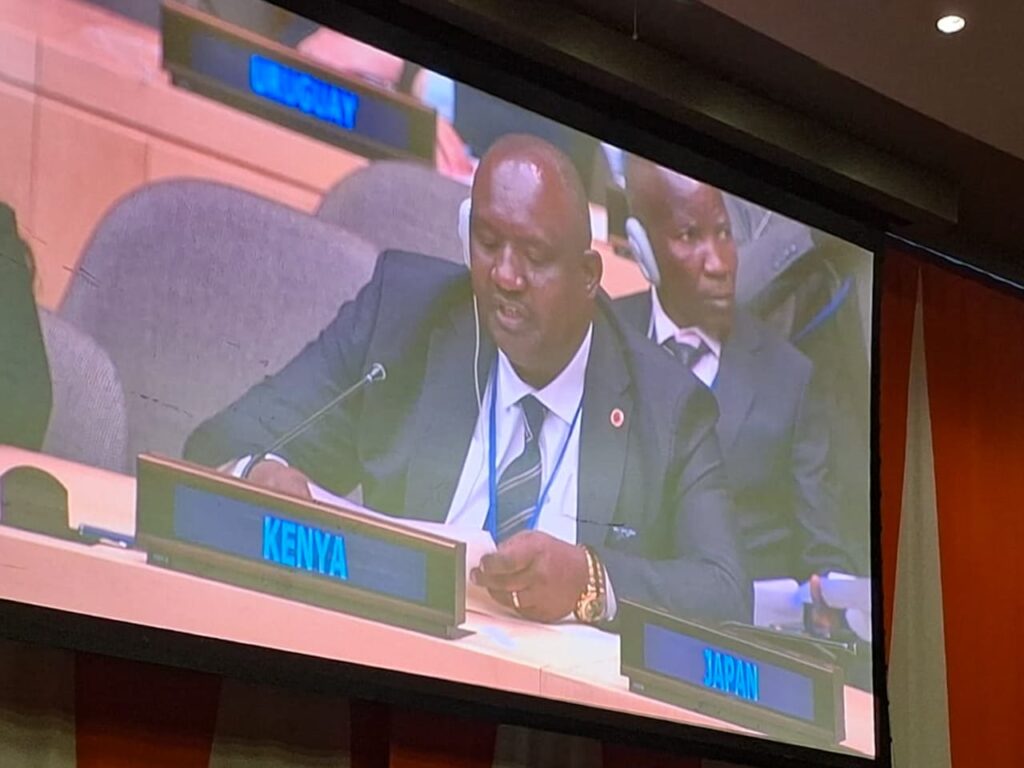
Speaking at the 2026 Humanitarian Affairs Segment (HAS) held at the UN Headquarters in New York, Secretary for National Administration Moses Lilan said humanitarian interventions should prioritise self-reliance and sustainable development rather than prolonged dependency on aid.
The meeting, convened under the auspices of the United Nations Economic and Social Council (ECOSOC), brought together member states, UN agencies and humanitarian partners to discuss responses to growing global crises.
“Kenya calls for prioritisation of locally led responses that build resilience by scaling up anticipatory action, climate adaptation and livelihood programmes to address root causes,” Mr Lilan told delegates during the three-day forum.
At the heart of Kenya’s presentation was the government’s Shirika Plan, an ambitious initiative designed to transform refugee camps into integrated municipalities where refugees and host communities can live, work and access essential services.
The programme seeks to move beyond traditional camp settings by creating urban centres that promote economic inclusion and self-reliance.
“These initiatives aim to transform refugee camps into integrated municipalities and promote self-reliance and economic inclusion, a move which will also be of great benefit to the local communities,” Mr Lilan said.
Kenya hosts more than 800,000 refugees, making it one of Africa’s largest refugee-hosting nations. The growing population has placed increasing pressure on host communities, particularly in arid and semi-arid regions where resources are already stretched.
Mr Lilan highlighted the Shirika Plan alongside the government’s 15 Billion Trees Initiative and the Ending Drought Emergencies framework as examples of integrated programmes aimed at reducing humanitarian vulnerabilities before crises occur.
He noted that the refugee integration agenda is aligned with Kenya’s Bottom-Up Economic Transformation Agenda (BETA), which promotes a whole-of-government and whole-of-society approach to development.
The official said the country’s legal framework has also been strengthened through the Prevention, Protection and Assistance to Internally Displaced Persons and Affected Communities Act of 2012 and the 2021 Refugees Act.
Kenya further announced that the 2026 Disaster Risk Management Act will soon come into force, describing it as a landmark law that will enhance the country’s ability to prevent, prepare for, respond to and recover from disasters.
Despite the progress, the Kenyan delegation acknowledged that inadequate funding remains a major challenge.
Mr Lilan called on development partners and the international community to provide predictable and long-term support to complement national efforts.
“International cooperation must complement national efforts in financing resilience, not disasters,” he said.
The 2026 Humanitarian Affairs Segment was chaired by Héctor Gómez, Spain’s Permanent Representative to the UN, and focused on strengthening humanitarian action amid escalating challenges including climate change, conflicts and rising displacement worldwide.