
Greenpeace Pushes Kenya to Adopt Refill and Reuse Targets
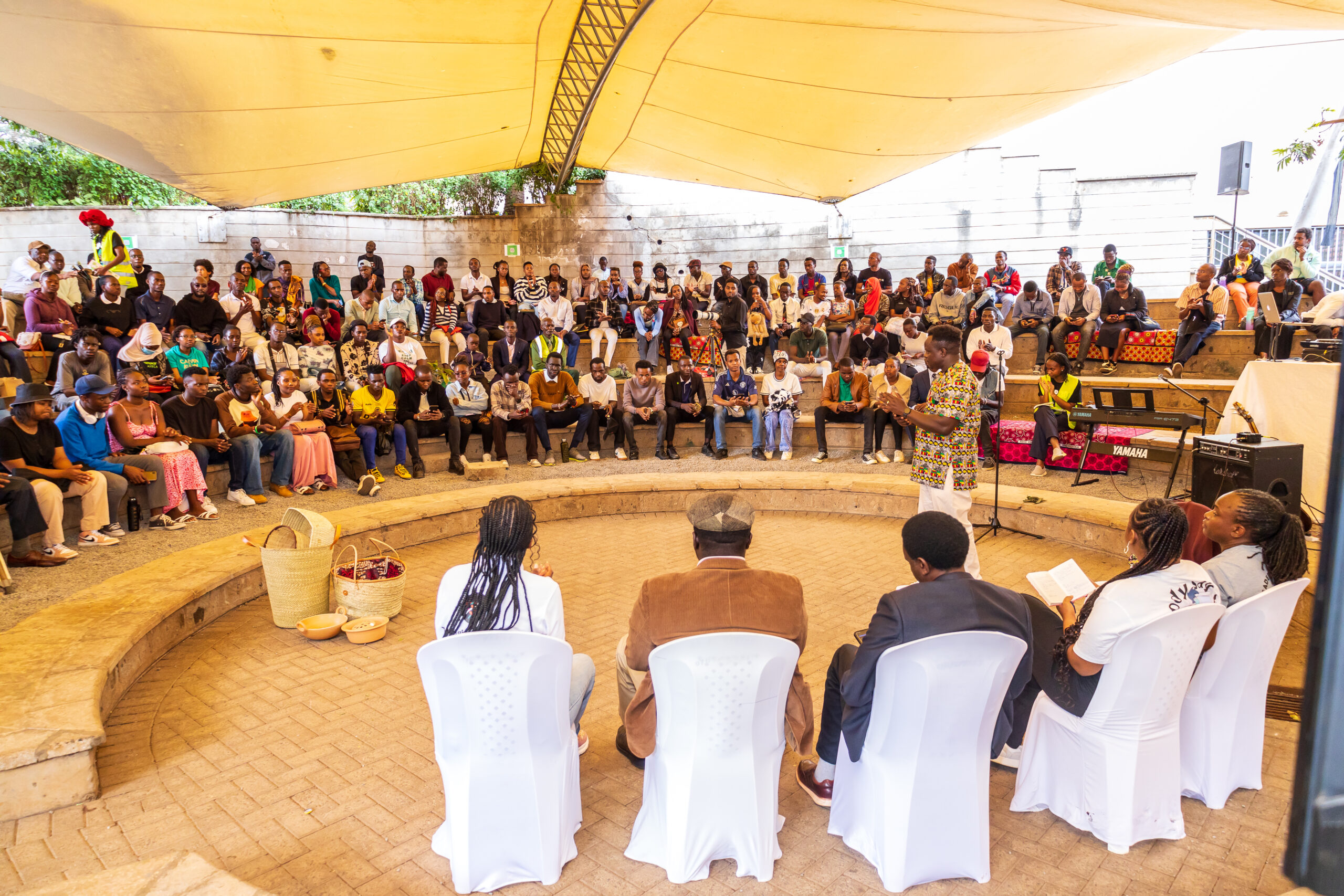
Participants gather for a storytelling and dialogue session during the inaugural Refill and Reuse Festival at the National Museums of Kenya in Nairobi on November 14, 2025.
Greenpeace Africa is calling on the Government of Kenya to adopt bold refill and reuse targets as part of efforts to curb the country’s growing single-use plastics crisis, warning that the current rate of pollution poses both economic and environmental threats.
Speaking during the launch of the inaugural Refill and Reuse Festival at the National Museums of Kenya on Friday, Hellen Kahaso Dena, Project Lead for the Pan African Plastics Project at Greenpeace Africa, said Kenya must prioritise investments that shift the country away from disposable plastics and toward packaging systems that create jobs and reduce hidden public costs.
“Refill and reuse systems are not new to Africa. They are rooted in our culture and have existed since time immemorial. What is new is the invasion of single-use plastics pushed by corporations prioritising profit over people and planet,” Dena said.
She urged the government to “invest in refill infrastructure and set clear targets that make reuse the norm, not the exception.”
Dena warned that the price of inaction remains high, noting that “throwaway culture is expensive,” with countries spending billions to unclog drainage systems, build incinerators, clean rivers, and manage health impacts linked to plastic pollution.
The two-day festival brings together communities, civil society organisations, policymakers, manufacturers, and innovators to showcase practical refill and reuse options available in Kenya. It also provides space for policy dialogue on how the country can mainstream sustainable alternatives to single-use plastics.
Also speaking Mr. Njoroge Mbitu, Deputy Director for Waste Management and Pollution Control in the State Department of Environment and Climate Change, represented the Ministry at the event and said the government supports ongoing efforts to expand refill and reuse systems.
“This is an emerging issue and something that citizens need to work together with the government on so that we can have a clean and safe environment as envisioned in the Constitution,” he said. Bitu added that while refill and reuse are well established in industries such as glass and aluminium, plastics require more thoughtful design and hygiene considerations to ensure safe and repeated use.
He noted that when effectively implemented, refill and reuse models benefit “producers, consumers, and the environment,” calling it a “triple benefit” for the value chain.
Greenpeace Africa Plastics Campaigner Gerance Mutwol criticised the continued focus on recycling, saying it enables corporations to keep expanding plastic production while shifting responsibility to governments and consumers.
“Recycling is a distraction that allows corporations to keep producing more plastic while shifting responsibility to consumers and governments. Plastics persist in the environment throughout their lifecycle, leaching harmful chemicals into our soil, water, and bodies,” he said.
Mutwol emphasised that refill and reuse systems offer a direct solution, “preventing plastic pollution at the source. They conserve resources, create jobs, and protect public health. This is an environmental imperative and economic opportunity that governments can no longer ignore.”
Among the exhibitors was Baskets Kenya, which showcased biodegradable household and shopping baskets handmade from natural fibres such as sisal, raffia, banana fibre and palm leaves.
“Our shopping baskets replace plastics — you can use them several times. You don’t use them once and dump them,” said Deborah Riru, a representative of the organisation, adding that the products are “100% biodegradable.” She encouraged visitors to explore their stand and online platforms to learn how everyday household items can be replaced with environmentally friendly alternatives.
Running under the theme “Experience, Refill, Reuse: A Sustainable Lifestyle for All,” the festival invites families, students, artists, and innovators to engage with hands-on refill stations, zero-waste exhibitions, and upcycling competitions for children. The final day will feature live music, poetry, storytelling circles, and an interactive refill challenge with prizes.
Organisers say the event aims to make sustainability feel accessible and culturally rooted by demonstrating that refill and reuse models are practical, affordable, and aligned with African values of community, resourcefulness, and shared responsibility.