
Report warns Africa could lose KSh518 billion on waste-to-energy incinerators
The report, released on October 15, 2026, identifies 15 waste-to-energy projects and proposals across 10 African countries, including Kenya, Ethiopia, Ghana, Nigeria, Uganda and South Africa.
Only one plant, the Reppie facility in Ethiopia, is operational, while two projects are under construction and 12 remain at various stages of planning, approval, financing or proposal.
The projects are expected to provide an estimated 520 to 550 megawatts of electricity, but GAIA warns that the financial and environmental costs could outweigh the benefits.
Billions at stake
The report estimates that the projects require more than US$4 billion in capital expenditure, raising concerns about whether public funds could deliver better results if directed towards waste separation, recycling and composting.
“African governments need to focus on long-term trusted zero waste systems in managing their waste crisis, not ‘silver bullet’ technologies that end up creating generational environmental and economic problems,” said Weyinmi Okotie, GAIA’s Africa Clean Air Manager.
The report argues that incineration could lock governments into contracts lasting 25 to 30 years, requiring a steady supply of waste while exposing public institutions to financial risks.
It also raises concerns about pollution from incinerators and the disposal of potentially hazardous ash.
Waste pickers face losses
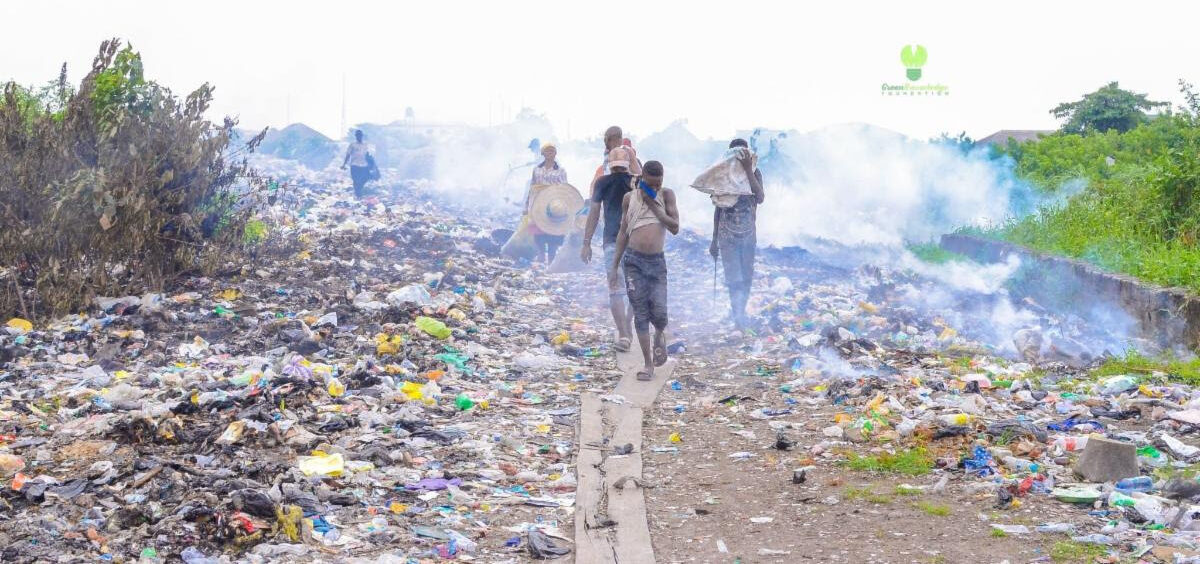
The report highlights the potential impact on informal workers who earn a living by collecting and selling recyclable materials.
Interviews conducted near Ethiopia’s Koshe dumpsite found that waste pickers’ earnings had fallen by 50 per cent in connection with the Reppie incinerator, according to the report.
GAIA argues that waste pickers should be formally included in waste management systems rather than displaced by large infrastructure projects.
Composting and recycling proposed
The report notes that much of Africa’s municipal waste is organic and has high moisture content, making it less suitable for burning than for composting.
It recommends investing in material recovery facilities, separating waste at source, improving collection systems and strengthening extended producer responsibility policies.
The report also calls for a moratorium on new incineration agreements until independent assessments are conducted and contracts and environmental impact assessments are made public.
The findings add to the debate over how African cities can manage growing volumes of waste while protecting public finances, livelihoods and the environment.