
Feminist Network Convenes Africa Regional Workshop in Nairobi to Advance Gender Transformative Education
By Sharon Atieno
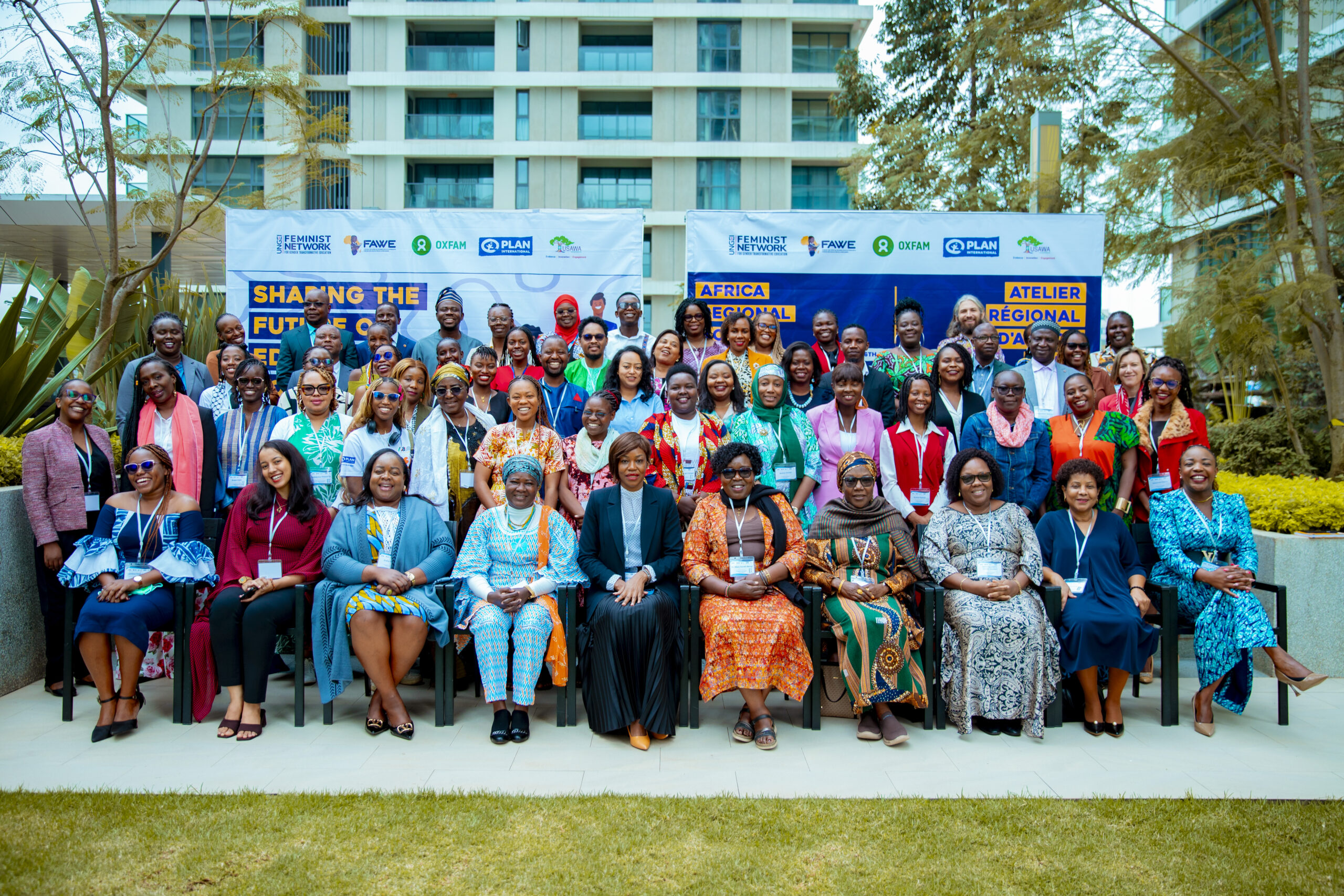
Nairobi, Kenya, August 26, 2025 — The Feminist Network for Gender Transformative Education (FEMNET4GTE) has convened its Africa Regional Action Workshop in Nairobi, bringing together more than 50 leaders, policymakers, activists, and education experts for a two-day meeting aimed at shaping bold strategies to advance gender equality through education across the continent.
The workshop comes at a pivotal moment as the African Union’s 2025 Theme of the Year “Building a united front to advance the cause of justice and payment of reparations to Africans” underscores education as a critical tool for reparations, dignity restoration, and social transformation. Discussions will also build on outcomes of the Beijing+30 review and continental platforms such as the CESA strategy meetings and the Gender Is My Agenda Campaign (GIMAC).
FEMNET4GTE, launched in 2022, is a growing intergenerational network of more than 210 organizations, governments, researchers, and advocates committed to dismantling structural barriers in education. Its convenings create spaces for solidarity, knowledge sharing, and co-creation of strategies that ensure schools become drivers of equality and justice.
Speaking at the opening session, Ms. Lydia Madyirapanzi, Executive Director of FAWE Zimbabwe, emphasized the urgency of the mission:
“Education is a tool for reparative justice, and we must ensure that its content, pedagogy, and environment challenge gender norms and drive transformation. This means valuing intergenerational leadership, ensuring young feminist activists are co-leaders at decision-making tables, and addressing the intersections of gender with disability, displacement, poverty, and crises. Without adequate financing, gender transformative education remains a promise unfulfilled. We must advocate for sustainable investments and interrogate how we use our resources in Africa, for Africa.”
The scale of the challenge remains stark. According to FEMNET4GTE figures, 122 million girls are out of school globally, one in five faces early or forced marriage, 138 million children are engaged in child labour, and every four minutes, a child dies from violence. At the same time, international funding for gender equality and girls’ education is declining.
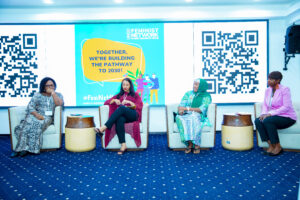
Alinafe Malonje, FEMNET4GTE Community Coordinator, underlined the transformative power of education:
“Children are not born believing boys are superior to girls division and inequality are taught. Through education, we can unteach it and build a world grounded in justice. Classrooms must be spaces of transformation, where children feel safe, supported, and encouraged to thrive. This network knows the power of education that rejects harmful gender norms and teaches values of equality and respect.”
The workshop’s objectives include strengthening regional advocacy and policy influence by aligning national and continental education strategies such as CESA 2026–2035 and CTVET with gender-transformative approaches. Delegates will also develop national action plans, amplify feminist and youth voices in policymaking, and foster intergenerational dialogue through youth-led sessions and policy roundtables.
FAWE Africa, the regional co-lead of FEMNET4GTE in Africa, is hosting the workshop. Ms. Teresa Omondi-Adeitan, FAWE Africa’s Deputy Executive Director and Head of Programmes, welcomed participants and reaffirmed the organization’s commitment:
“As co-leads, we are honored to convene this workshop in Nairobi. Since the network’s inception, FAWE has championed gender transformative education as a lever for justice and social change. We gather at a moment when education is recognized as a form of reparation and a tool for disrupting cycles of inequality. This convening will help us influence continental frameworks and strengthen national action plans to ensure no learner is left behind.”
The workshop also marks FEMNET4GTE’s continued expansion. What began in 2022 as a small coalition during the Transforming Education Summit in New York has grown into a global network with annual regional gatherings. Alongside Nairobi, similar workshops are taking place this month in Paphos and Bangkok, with another scheduled in Latin America. Outcomes from these meetings will inform FEMNET4GTE’s global convening on September 20 and advocacy efforts at the upcoming UN General Assembly.
Organizers acknowledged the contributions of partners including Oxfam, Plan International, Usawa Agenda, the Global Campaign for Education (GCE), and the African Network Campaign on Education for All (ANCEFA). They also highlighted the role of the UN Girls’ Education Initiative (UNGEI) in supporting the workshop.
Delegates are expected to leave Nairobi with renewed commitments to embed gender equality in education systems, influence global and continental platforms, and ensure gender transformative education features prominently in the post-2030 development agenda.
“Keeping children in school is easier and more cost-effective than bringing them back after they drop out,” said Ms. Omondi-Adeitan. “When young people feel safe, valued, and supported to know their rights, they are less likely to drop out, more likely to delay early marriage, acquire skills, and pursue livelihoods that transform their lives and their communities.”
As the two-day discussions continue, participants expressed optimism that the outcomes would not only strengthen Africa’s education agenda but also contribute to a global movement for justice and equality through transformative education.