
Experts Call for Collective Action to Curb Rising Youth Suicide Cases
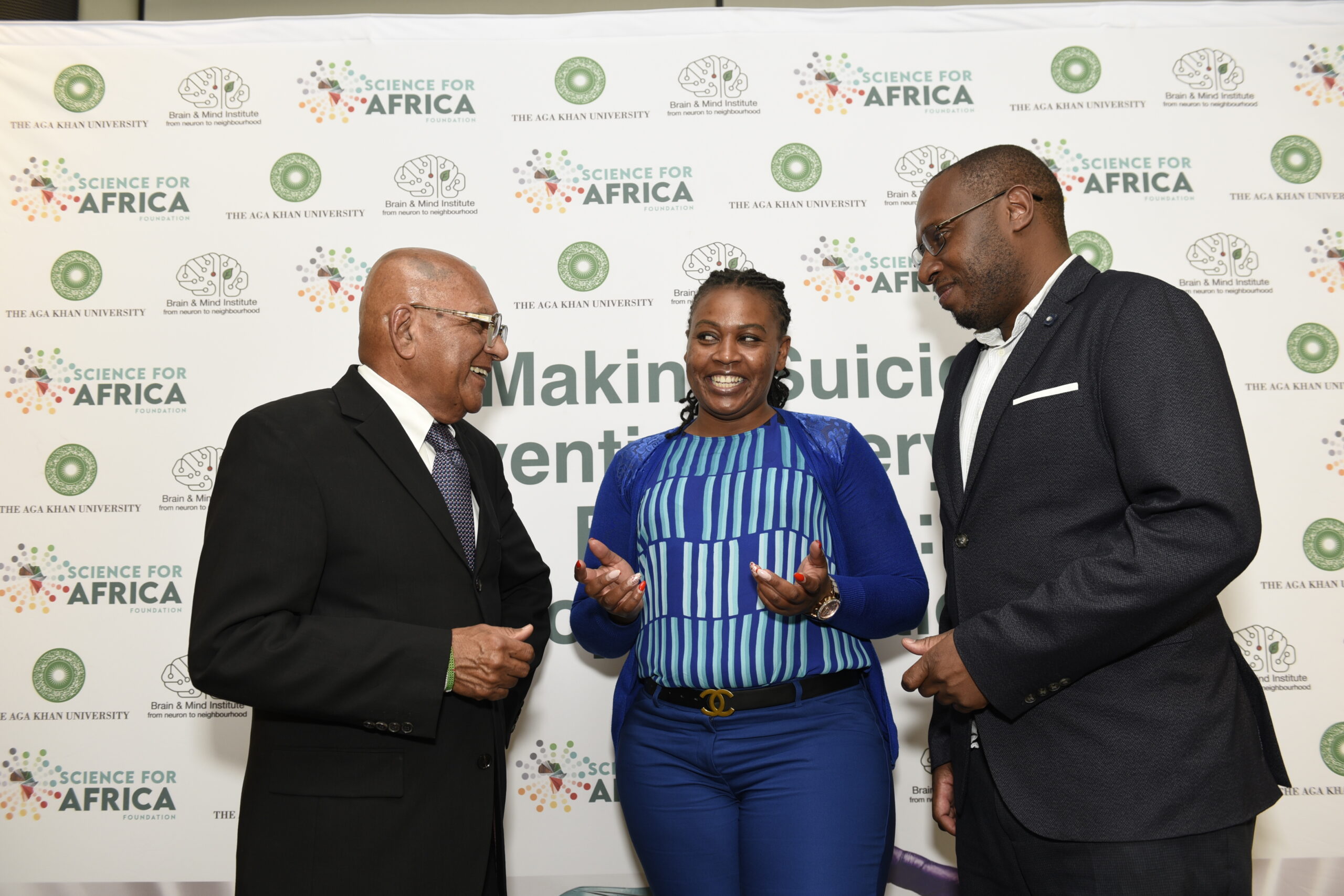
Nairobi, Kenya – October 2, 2025: Mental health experts are calling for stronger collective efforts to tackle the growing crisis of youth suicide across Africa, describing it as a preventable tragedy rooted in stigma, limited awareness, and poor access to care. The call was made during the Youth Suicide Prevention Forum hosted by the Aga Khan University’s Brain and Mind Institute (BMI) in partnership with the Science for Africa Foundation (SFA) under the theme “Making Suicide Prevention Everyone’s Business: Hope in Action.”
The forum convened policymakers, researchers, youth leaders, and people with lived experience to explore practical strategies for suicide prevention, including reframing public narratives, increasing awareness, and expanding youth-friendly mental health services. Discussions also reflected on Kenya’s landmark 2023 decision to decriminalize suicide, urging for sustained policy implementation and community-level action.
Prof. Zul Merali, Founding Director of BMI, emphasized that suicide prevention must extend beyond the health sector.
“When young people are silenced by stigma or denied access to affordable care, we all fail,” he said. “This forum is about creating safe spaces, amplifying youth voices, and building actionable pathways that save lives. Suicide prevention must become everyone’s business.”
Globally, suicide is one of the leading causes of death among adolescents and young adults, with Sub-Saharan Africa facing heightened risks linked to unemployment, social isolation, and economic hardship. Forum participants called for multisectoral approaches involving education systems, faith groups, community networks, and families to provide holistic and sustained support for young people.
Dr. Judy Omumbo, Head of Programmes at the Science for Africa Foundation, noted that suicide prevention is not solely a medical concern but a shared moral duty.
“It touches every part of society—families, schools, workplaces, and communities. Preventing suicide must therefore be everyone’s business,” she said.
Representing the Ministry of Health, Dr. Catherine Wanjiku reaffirmed the government’s commitment to suicide prevention, citing the Suicide Prevention Strategy (2021–2026) as a key framework for expanding community-based mental health services and integrating prevention measures into national health systems.
The forum also featured personal testimonies that highlighted the human side of the crisis—stories of pain, resilience, and recovery underscoring the importance of open dialogue and timely support.
By centering youth voices and fostering collaboration, the initiative marks a major step toward destigmatizing mental illness and advancing community-driven solutions to prevent suicide and promote mental well-being across Africa.