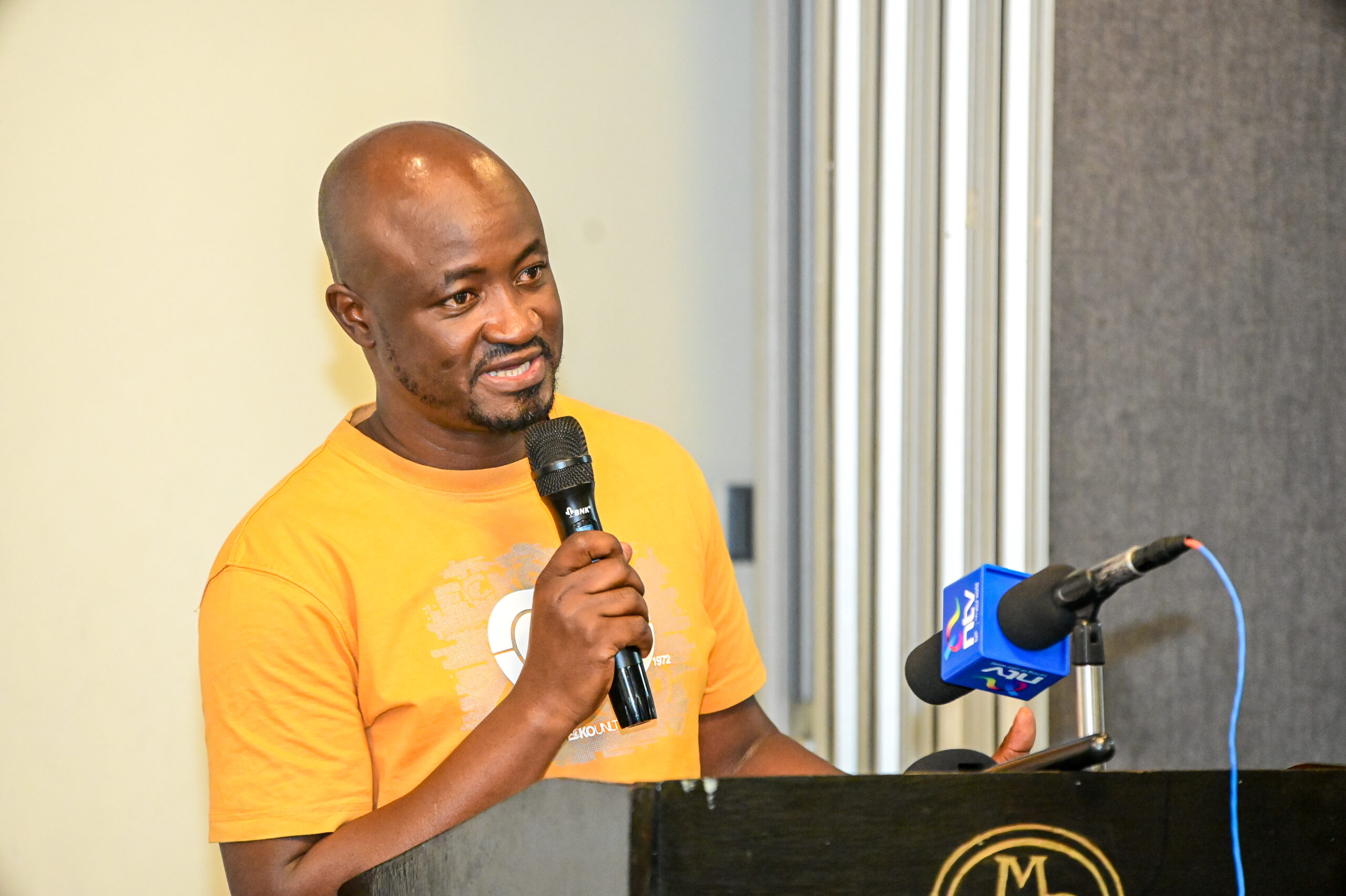

Beyond the 30% Target: How Data, Communities and Regional Cooperation Could Shape Africa’s Conservation Future.
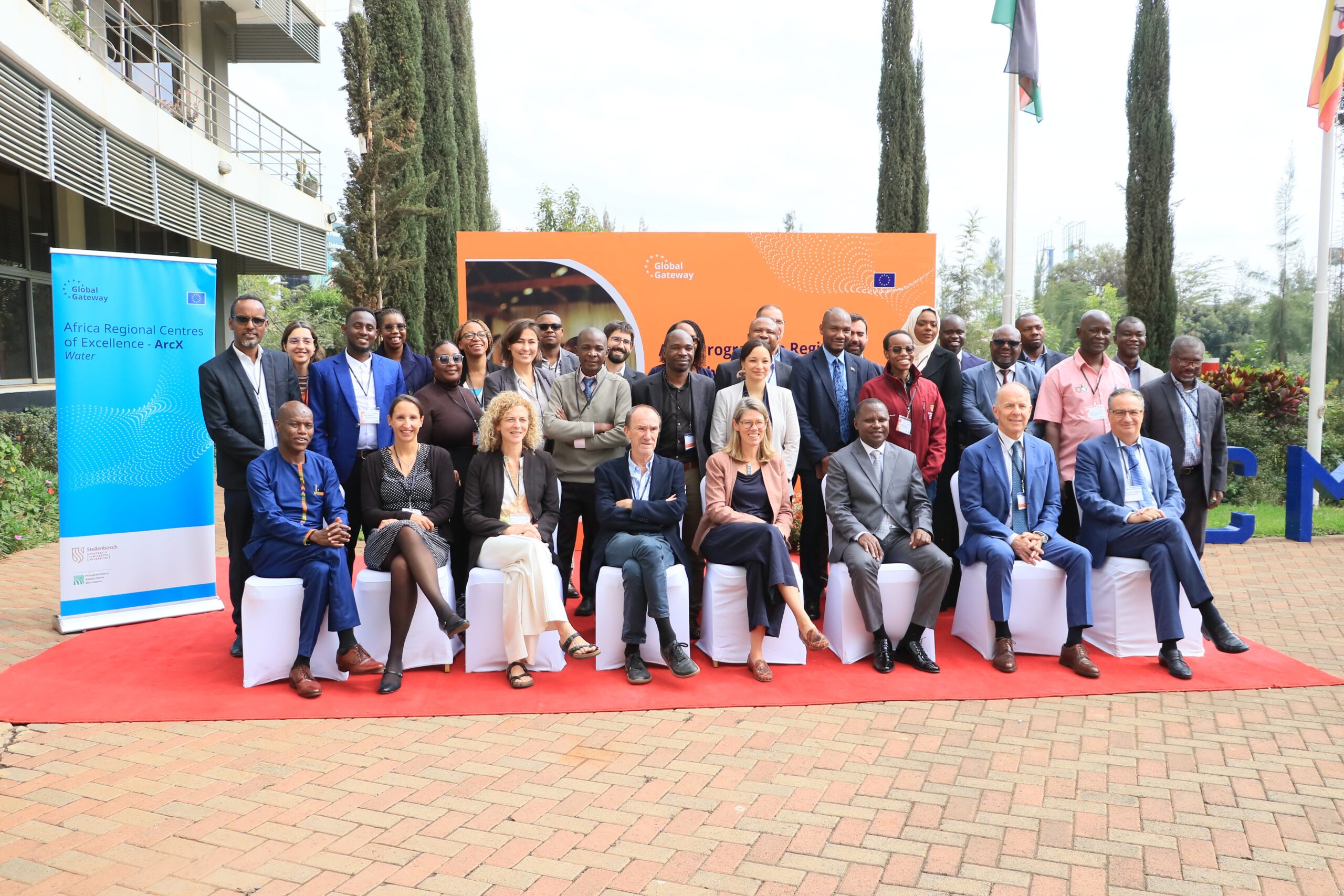
Participants pose for a group photo during the Regional Workshop on Integrated Landscape-Seascape Modelling for Climate Resilience Development in East Africa, being held in Nairobi, Kenya, from 22–24 September 2026
From the savannahs of the Serengeti-Mara landscape and the forests of the Albertine Rift to the coral reefs of the Western Indian Ocean, Eastern and Southern Africa holds some of the continent’s most valuable natural ecosystems. These landscapes and seascapes provide food, freshwater, livelihoods, carbon storage, tourism opportunities and cultural identity. However, they are increasingly threatened by habitat destruction, land degradation, pollution, climate change, invasive species and unsustainable exploitation of natural resources.
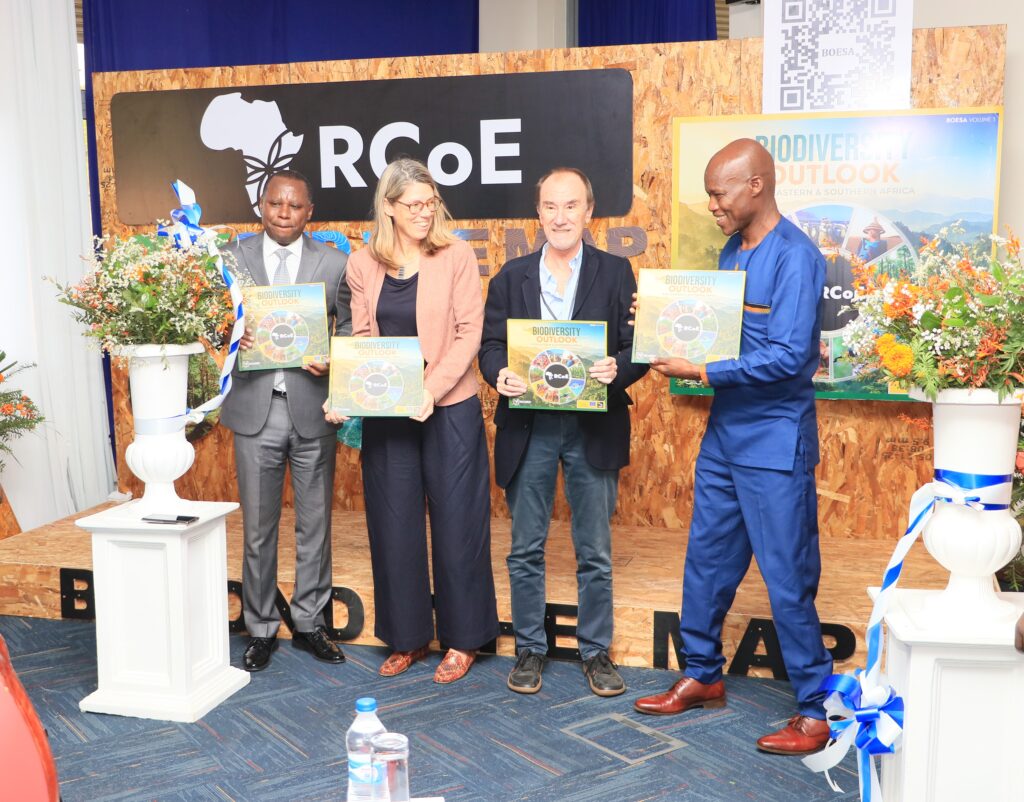
Against this backdrop, the Regional Centre for Mapping of Resources for Development (RCMRD) has launched the Biodiversity Outlook for Eastern and Southern Africa (BOESA) 2026, a publication seeking to transform biodiversity data into practical conservation action across 24 countries.
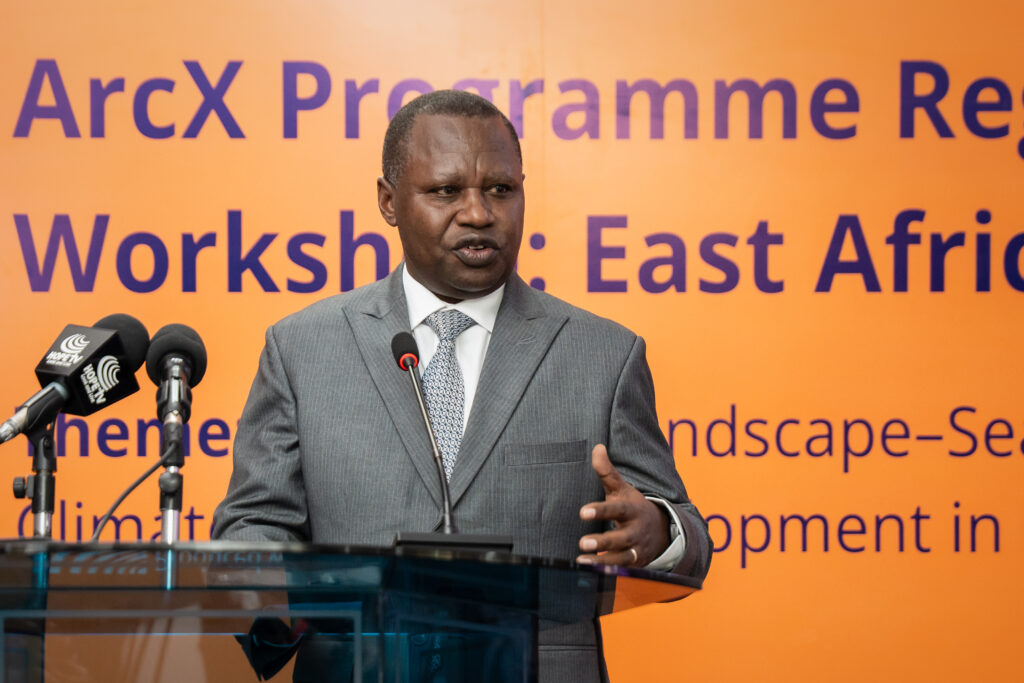
The publication was launched in Nairobi on Tuesday, September 22, 2026, in collaboration with the European Union, during the Regional Workshop on Integrated Landscape-Seascape Modelling for Climate Resilience Development in East Africa.
Developed through the Regional Centre of Excellence for Biodiversity, Forests, and Seascape Ecosystems Management in Eastern and Southern Africa (RCoE-ESA), BOESA brings together spatial data, policy analysis, biodiversity trends, conservation experiences and community perspectives.
Its message is clear: protecting nature cannot be achieved through the creation of conservation areas alone. Effective management, reliable information, inclusive governance and meaningful community participation are equally important.
A region under increasing pressure
According to the publication, Eastern and Southern Africa’s biodiversity supports livelihoods, food security, climate resilience, economic development and cultural identity.
However, increasing pressure on land and natural resources is threatening the ecological systems on which millions of people depend. Habitat conversion, land degradation, climate change, pollution and unsustainable resource use are identified as some of the major drivers of biodiversity loss.
The report notes that population growth, expanding infrastructure and competing demands for land and water have further intensified these challenges.
It is within this context that countries are working to implement the Kunming-Montreal Global Biodiversity Framework (KM-GBF), which provides a global roadmap for halting and reversing biodiversity loss.
One of its key commitments, Target 3, calls for at least 30 per cent of terrestrial, inland water, coastal and marine areas to be effectively conserved by 2030.
BOESA reports that more than 5,544 protected and conserved areas have been established across the region, covering approximately 2.62 million square kilometres, equivalent to 17.24 per cent of the terrestrial area.
While the figures indicate progress, the publication highlights a significant gap between the current level of protection and the 30 per cent target.
The situation also varies across sub-regions. The East African Community has an extensive network of protected and conserved areas, although marine protection remains critically low. Countries within the Intergovernmental Authority on Development also face substantial terrestrial and marine coverage gaps.
Meanwhile, Indian Ocean Commission countries have surpassed the 30 per cent threshold for marine protection, while the Southern African Development Community records the highest terrestrial and marine coverage among the sub-regions assessed.
From collecting data to taking action
For RCMRD, the value of BOESA lies not only in the information it contains, but also in its potential to support decision-making.
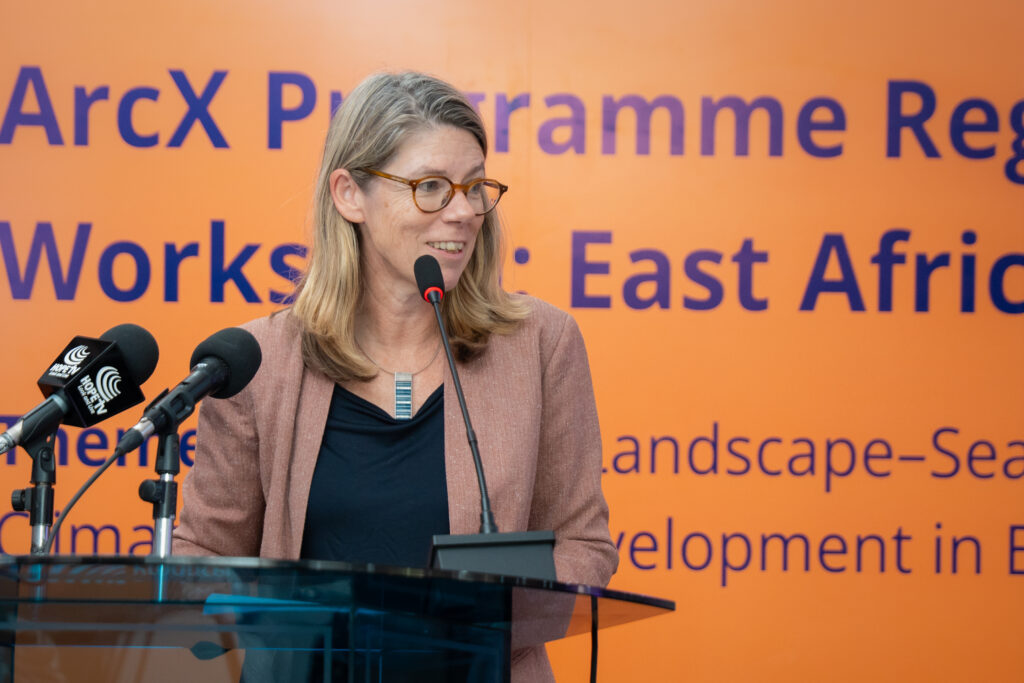
In the press release issued during the launch, Sanne Willems of Regional Partnerships at the Delegation of the European Union to Kenya said research must be translated into policies and practical interventions.
“Collecting data is not enough. This programme is translating that data into very accessible information for young people as well as decision-makers, while also building the capacities of different countries to take action based on the information collected,” said Willems.
Her remarks underline one of the central challenges facing conservation efforts: the gap between scientific knowledge and implementation.
Although governments, researchers and conservation organisations generate valuable data, the information is not always accessible to communities, policymakers or institutions responsible for managing ecosystems.
BOESA seeks to bridge this gap by presenting biodiversity information in a format that can support conservation planning, reporting, monitoring and policy development.
The publication also highlights the role of geospatial technology, mapping and decision-support tools in helping countries understand environmental changes and identify conservation priorities.
The importance of effective conservation
The publication cautions that increasing the number or size of protected areas does not automatically guarantee biodiversity protection.
It emphasises the need for effective management, adequate financing, trained personnel, monitoring systems, strong institutions and reliable data.
Without these measures, protected areas may exist on maps or in official records without receiving the resources and management required to conserve their ecosystems. The report draws attention to the risk of creating “paper parks”—areas that are legally recognised but inadequately protected in practice.
BOESA therefore places conservation effectiveness alongside the expansion of protected areas.
It examines management effectiveness assessments, governance systems and the capacity of institutions to monitor biodiversity and respond to emerging threats.
The publication also explores other effective area-based conservation measures, including community conservancies, sacred forests, community-managed grazing areas and other areas that deliver long-term biodiversity outcomes outside conventional protected areas.
Communities at the centre of conservation
Another major theme in BOESA is the recognition of Indigenous Peoples and Local Communities as essential partners in biodiversity protection.
Many communities depend directly on forests, wetlands, rangelands, rivers and coastal ecosystems for their livelihoods and cultural practices. Their knowledge and participation can therefore contribute to more sustainable conservation outcomes.
The publication argues that conservation governance should recognise community rights, traditional knowledge and local decision-making structures.
Its case studies include community-led monitoring, participatory mapping and community conservation initiatives in countries such as Uganda, Kenya, Zambia, Mozambique and Namibia.
These examples demonstrate how local participation and geospatial tools can be combined to improve ecosystem monitoring and conservation planning.
RCMRD’s call for stronger partnerships
Dr Emmanuel Nkurunziza, Director General of RCMRD and the signatory of the publication’s foreword, said BOESA reflects a collective commitment to evidence-based decision-making and regional cooperation.
“This publication reflects our collective commitment to advancing evidence-based decision-making and strengthening regional cooperation in biodiversity conservation,” said Dr Nkurunziza.
He noted that the publication brings together spatial data, policy insights and field experiences to assess conservation progress, challenges and opportunities.
According to Dr Nkurunziza, geospatial data and mapping are important tools for understanding and managing natural resources.
“Through this publication, we demonstrate how data-driven insights can support planning, monitoring, and adaptive management across terrestrial and marine ecosystems,” he said.
He further called for stronger partnerships, investment in knowledge systems and accelerated implementation of conservation priorities.
The publication was developed with funding from the European Union and co-implemented by RCMRD and Landscape Alliance, formerly CIFOR-ICRAF. It also acknowledges contributions from governments, research institutions, conservation organisations and local communities.
Looking towards 2030
The launch comes ahead of the 17th Conference of the Parties to the Convention on Biological Diversity, scheduled for October 19–30, 2026, in Yerevan, Armenia.
The meeting is expected to feature the first global review of collective progress in implementing the Kunming-Montreal Global Biodiversity Framework.
As countries prepare to account for their conservation efforts, BOESA provides a regional reference point for identifying progress and persistent gaps.
For Eastern and Southern Africa, the road to the 2030 biodiversity targets will require more than formal commitments. It will demand accessible information, effective institutions, adequate financing, community involvement and cooperation across national borders.
As Dr Nkurunziza states in the publication’s foreword, BOESA is not only a reflection of the region’s current conservation status but also “a call to action.”
Its broader message is that the future of biodiversity will depend on decisions made today—what governments protect, what communities conserve, what researchers document and how regional partners translate knowledge into action.