



Africa Pushes for Home-Grown Financing to Reduce Dependence on Foreign Debt
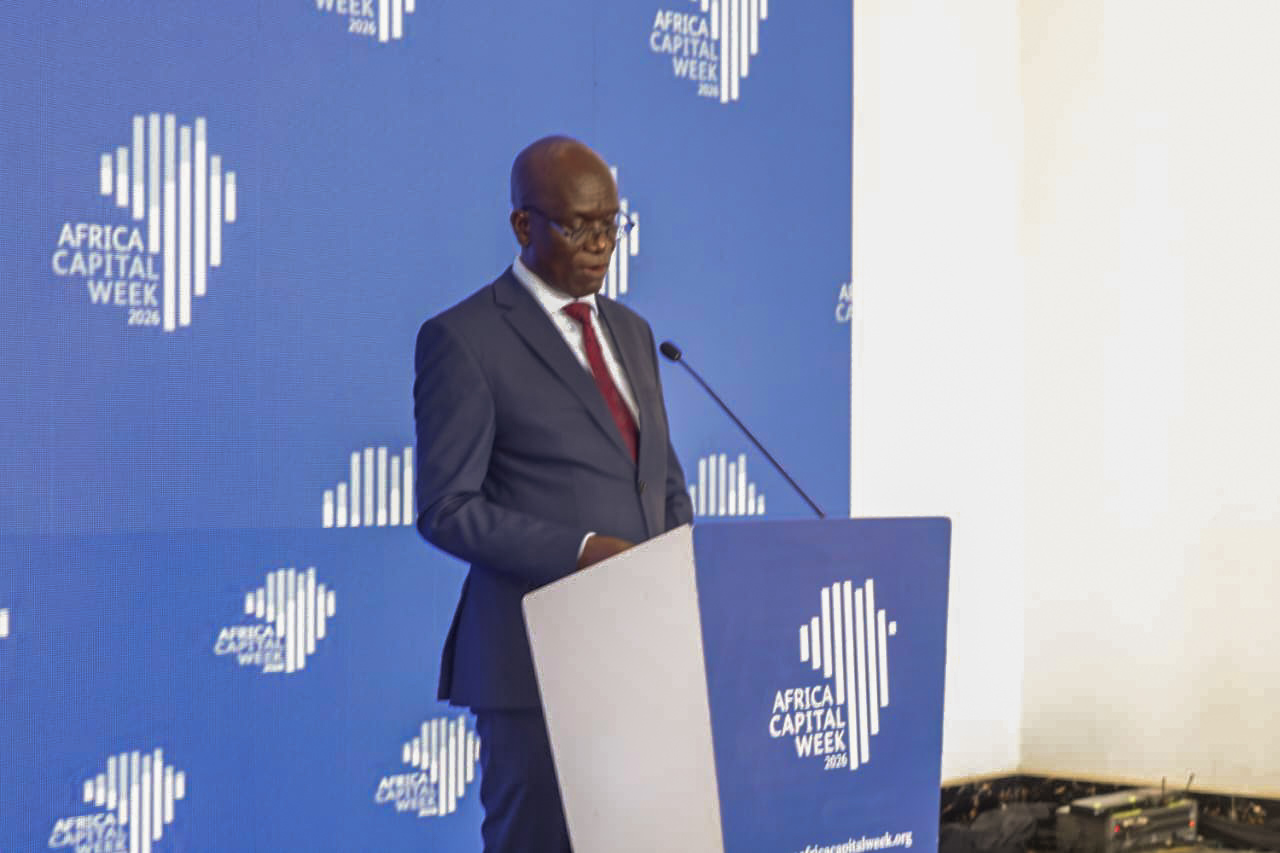
Principal Secretary for Economic Planning Boniface Makokha speaking during the launch of Africa Capital Week in Nairobi on Monday June 15, 2026. Photo courtesy/Winnie Atieno
African leaders, policymakers and financial experts are increasingly calling for the continent to finance its own development by mobilizing local capital and reducing reliance on costly foreign borrowing.
The discussion took center stage during the launch of Africa Capital Week in Nairobi, where speakers emphasized the need for Africa to tap into its vast but largely underutilized financial resources to fund infrastructure, industrialization and economic growth.
Officials noted that access to affordable long-term financing remains one of the biggest challenges facing African economic, often forcing governments to depend on expensive external debt.
Speaking during the event, the Principal Secretary for Economic Planning, Boniface Makokha said Africa is not lacking in opportunities but continues to face barriers in accessing affordable capital.
He pointed to Burkina Faso’s recent diaspora bond, which attracted overwhelming support from citizens living abroad, as an example of how African countries can unlock alternative sources of financing.
The PS further argued that Africa’s future should be financed through investment, innovation and partnerships rather than dependence on external funding.
“Africa is not seeking sympathy. Africa is seeking investment. Africa is not a continent of risk. Africa is a continent of opportunity whose risks have too often been misunderstood, mispriced and misrepresented,” he said.
The discussions also focused on strengthening capital markets as a means of mobilizing domestic savings and attracting long-term investment into critical sectors such as infrastructure, renewable energy, digital transformation, manufacturing and affordable housing.
Acting Director General of the Kenya Vision 2030 Delivery Secretariat James Maina said the continent must make better use of resources already available within Africa.
“We are able to fortify sovereignty in Africa by not necessarily borrowing, but using the resources available in the continent in a proper way to support investment,” Maina said.
He noted that pension funds, private capital, capital markets and diaspora investments remain largely untapped despite their potential to support development projects across the continent.
Maina also called for increased public awareness of investment opportunities, including participation in Initial Public Offerings (IPOs), saying many citizens are left out due to inadequate dissemination of information.
“There are a lot of opportunities that have not been utilized in terms of mobilizing these resources for projects and programmes,” he added.
As Africa Capital Week prepares to bring together investors, regulators and policymakers from across the continent later this year, stakeholders hope the forum will accelerate efforts to mobilize African capital for African development and reduce dependence on foreign debt.
The message from the launch was clear: Africa’s economic future may well depend on its ability to harness its own wealth and channel it towards the continent’s development priorities.

8 thoughts on “Africa Pushes for Home-Grown Financing to Reduce Dependence on Foreign Debt”