
A Just Transition is a Talent Transition, Says PMI Africa Boss
Africa stands at a defining moment called to decarbonise for the planet’s sake while still struggling to power its own growth. With nearly 600 million Africans lacking electricity access and coal remaining a cheap and dependable energy source, the continent faces a tough balancing act. The green transition is essential for global climate goals, yet it poses deep socio-economic challenges for Africa.
According to the International Energy Agency, about 13 million fossil fuel jobs could vanish globally under net-zero scenarios, while 30 million new clean-energy roles could emerge by 2030. However, most of these new opportunities will arise in countries that already manufacture and install renewable technologies, leaving Africa at risk of losing more jobs than it gains unless deliberate action is taken.
The dilemma is most evident in South Africa, where roughly 100,000 coal miners and power plant workers could be displaced as coal is phased out. Many of these workers possess technical and operational expertise that is not immediately transferable to renewable projects. For them, reskilling not rhetoric will determine whether the transition is truly just.
A fair energy shift must protect those who risk being left behind while preparing the workforce for future industries. This requires policies that cushion affected workers through retraining and develop a new cadre of project professionals to lead renewable expansion. A coal plant supervisor, for instance, already manages complex schedules, safety standards, and multidisciplinary teams all core project management skills easily adaptable to clean-energy projects with the right certification.
Encouragingly, some countries are taking the lead. Nigeria has begun redeploying oil and gas engineers to solar and energy-efficiency projects. Kenya’s geothermal expansion is creating new opportunities for technicians from thermal power plants. Rwanda, Morocco, and Ghana are also retraining fossil-fuel engineers for roles in wind, hydro, and hybrid solar projects.
Yet, human capability remains the weakest link. The PMI Talent Gap Report (2025–2035) estimates that Sub-Saharan Africa will need up to 2.1 million additional project professionals by 2035 a 75% increase. Without addressing this gap, the continent risks losing billions in underperforming climate and infrastructure projects.
A just transition, therefore, is a talent transition. Governments, development partners, and businesses must integrate project management training into climate finance and transition frameworks. By investing in people as much as in projects, Africa can turn its climate ambition into achievable progress ensuring the green transition is not just visionary, but viable.
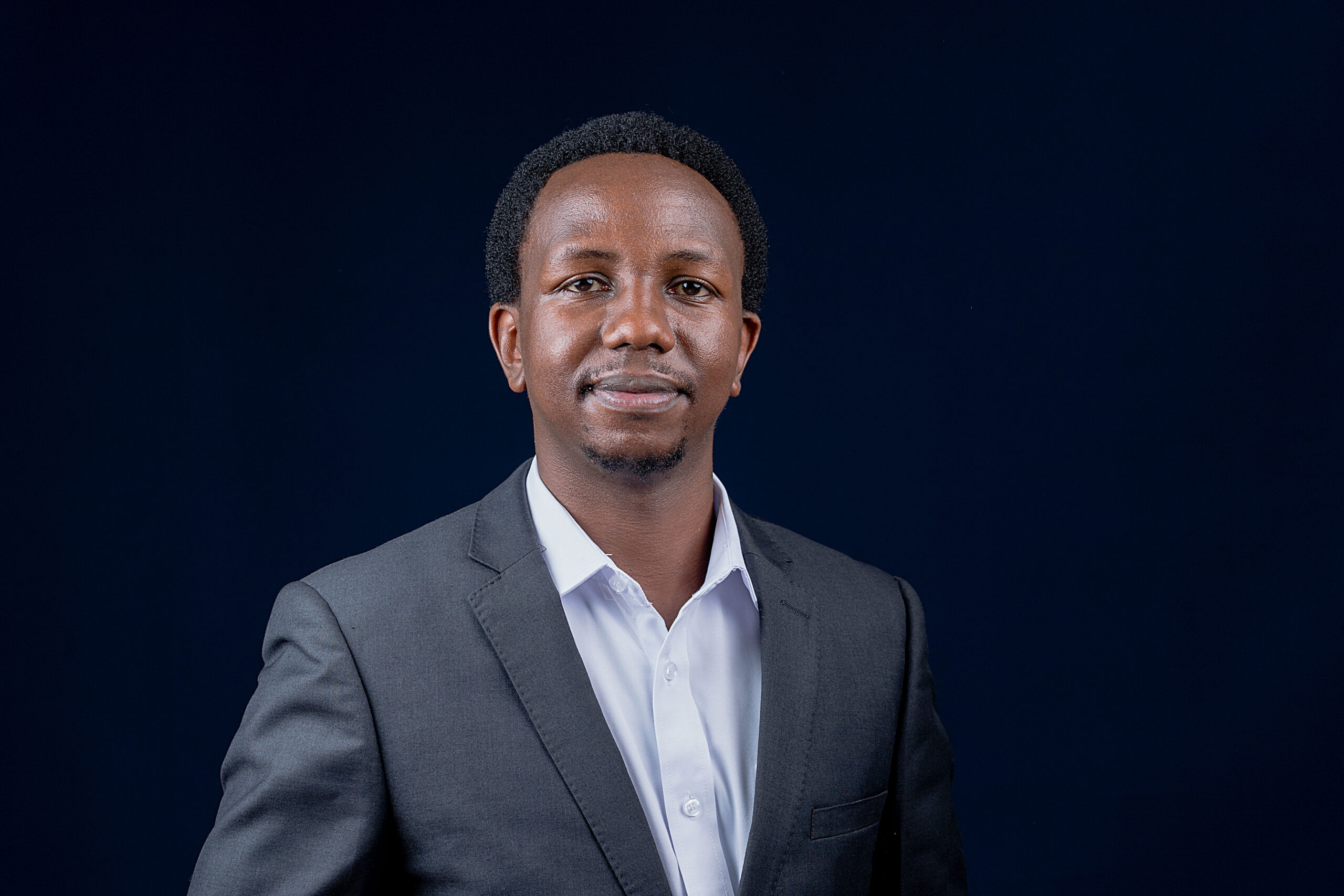
By George Asamani, Managing Director, Project Management Institute – Sub-Saharan Africa