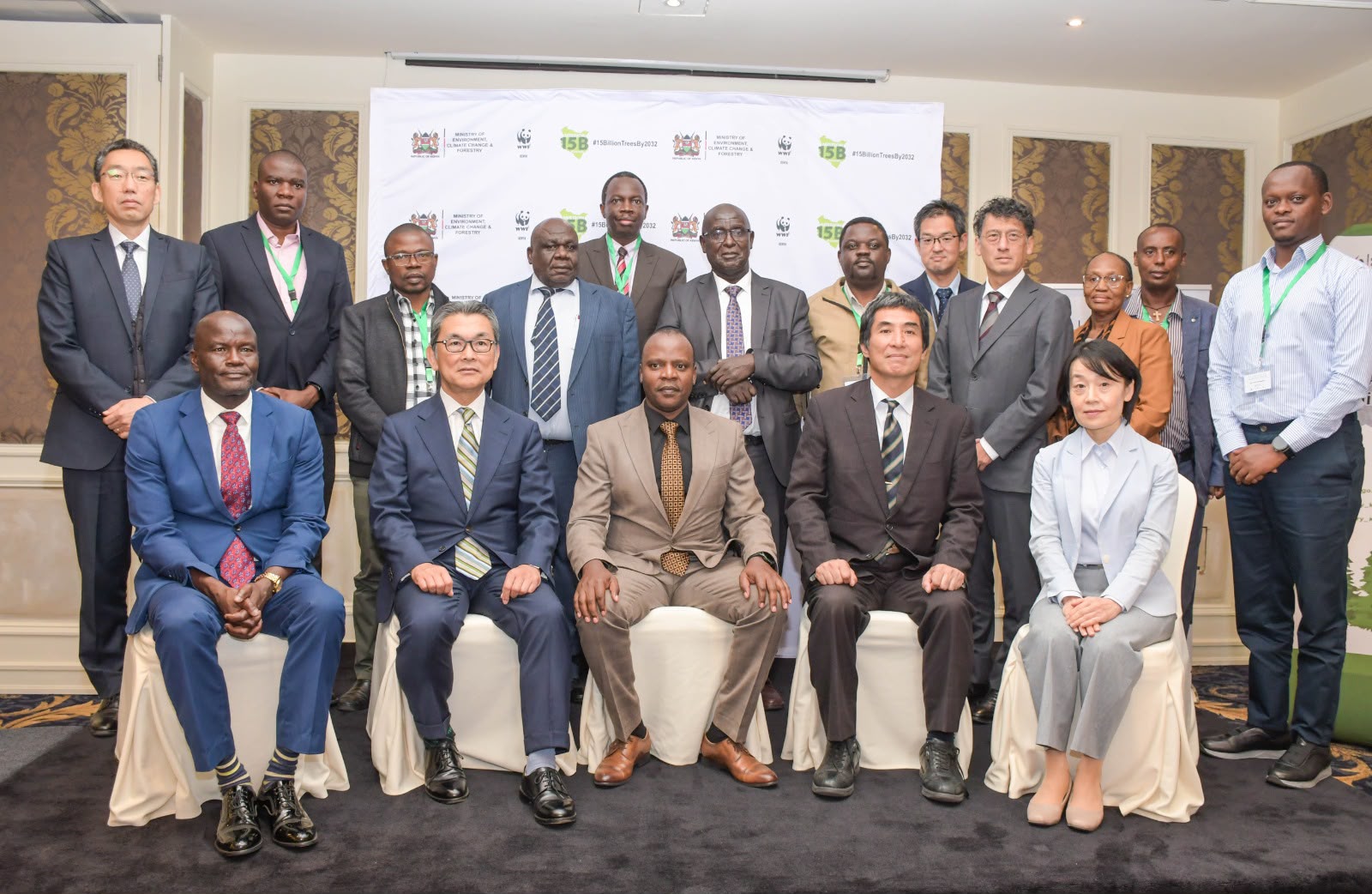

Kenya’s stark wealth gap, detailed in the new Oxfam report, sparks intense national debate.
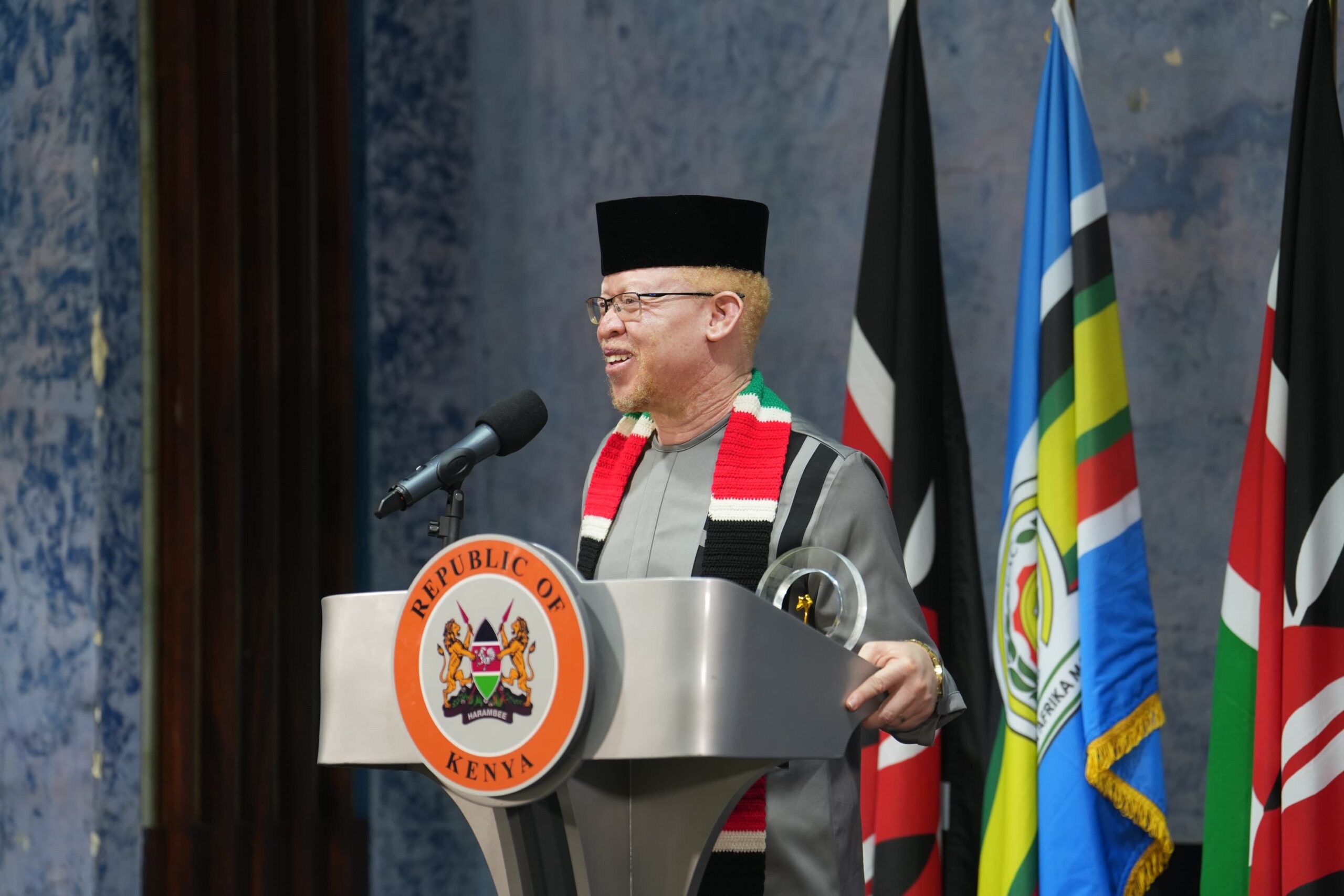
Government spokesperson Dr Isaac Maura at a press briefing about Oxfarm report in Nairobi on 19th December 2025.
In a sweeping address that charted both immediate progress and long-term national ambition, the Government has detailed the creation of over two million jobs over the recent period, launched a pioneering financial vehicle for national development, and articulated a clear vision for Kenya’s transition into a modern, high-productivity economy. The announcements were made by the Government Spokesperson, Hon. Isaac Mwaura, during a comprehensive press briefing in Nairobi,, where he presented a multi-faceted scorecard on the nation’s trajectory under the government Agenda.
The central headline from the briefing was the significant milestone in employment. Hon. Mwaura stated definitively that over 2 million jobs have been created nationwide under the Bottom-Up Economic Transformation Agenda, driven by targeted interventions across key sectors of the economy. He also elaborated that this figure, is not concentrated in a single industry but is the result of a diversified strategy designed to stimulate growth from the ground up. He provided granular detail on the sources of this employment boom, painting a picture of an economy activating multiple engines simultaneously.
A standout contributor, according to the Spokesperson, has been the Affordable Housing Programme. This flagship initiative, he explained, has already generated over 420,000 direct and indirect jobs, a number that represents just the beginning of its potential impact. With the potential to support up to 1 million workers as projects scale up across the country, Hon. Mwaura noted that the programme is positioned to become a sustained pillar of employment in construction, manufacturing of building materials, and related services for years to come.
Beyond construction, the revitalisation of the agricultural sector, a critical component of the BETA, has yielded substantial results in rural economies. “Reforms in agriculture and agri-value chains including fertilizer subsidies and expanded production in coffee, sugar, cotton, dairy, livestock, edible oils, cashew, and coconut have created thousands of rural jobs while strengthening food security and farmer incomes,” Mwaura stated. This dual focus on productivity and value addition aims to transform farming from mere subsistence into a commercially viable and job-creating enterprise.
The informal sector, long the backbone of Kenyan employment but often characterised by vulnerability, has also been a major focus. The Government Spokesman highlighted the formalization of over 3 million MSMEs, a bureaucratic process with profound practical implications. “This formalisation, coupled with expanded access to affordable credit, has sustained and created hundreds of thousands of jobs in trade, services, and light manufacturing,” he said, enabling small businesses to stabilise, grow, and hire more securely.
Furthermore, Hon. Mwaura pointed to the dynamic forces of the 21st-century economy. “The digital economy and online work platforms are enabling hundreds of thousands of young people to earn incomes,” he said, acknowledging a seismic shift in how and where work is done. This is complemented by traditional, yet vital, public investments, as “investments in infrastructure, urban regeneration, and climate-related public works continue to generate significant employment opportunities nationwide.”
Alongside this jobs report, Hon. Mwaura unveiled a significant new policy instrument aimed at securing Kenya’s future development without mortgaging it. He announced that the National Infrastructure Fund has been established as a strategic financing instrument to deliver high-impact national infrastructure projects without increasing Kenya’s debt burden. This marks a strategic pivot in development financing. He explained that the NIF is designed to mobilize domestic resources and private capital, including pension and institutional funds, to invest in priority sectors such as transport, energy, water, food security, logistics, and the digital economy.”
The establishment of the Fund, according to the Spokesperson, is a move toward greater fiscal sustainability. “The Fund is designed to promote fiscal discipline, reduce reliance on external borrowing, and ensure intergenerational equity while accelerating economic growth,” he stated.
This approach seeks to leverage the nation’s own savings and investments to build its future assets, creating a virtuous cycle of domestic investment and development.
All these measures, from job creation in housing and agriculture to innovative infrastructure financing, were framed within a broader, more profound national project articulated by Hon. Mwaura. He positioned Kenya on a deliberate and historic path of transformation.