

Kenchic Ramps Up AMR Awareness as Poultry Sector Faces Rising Risks
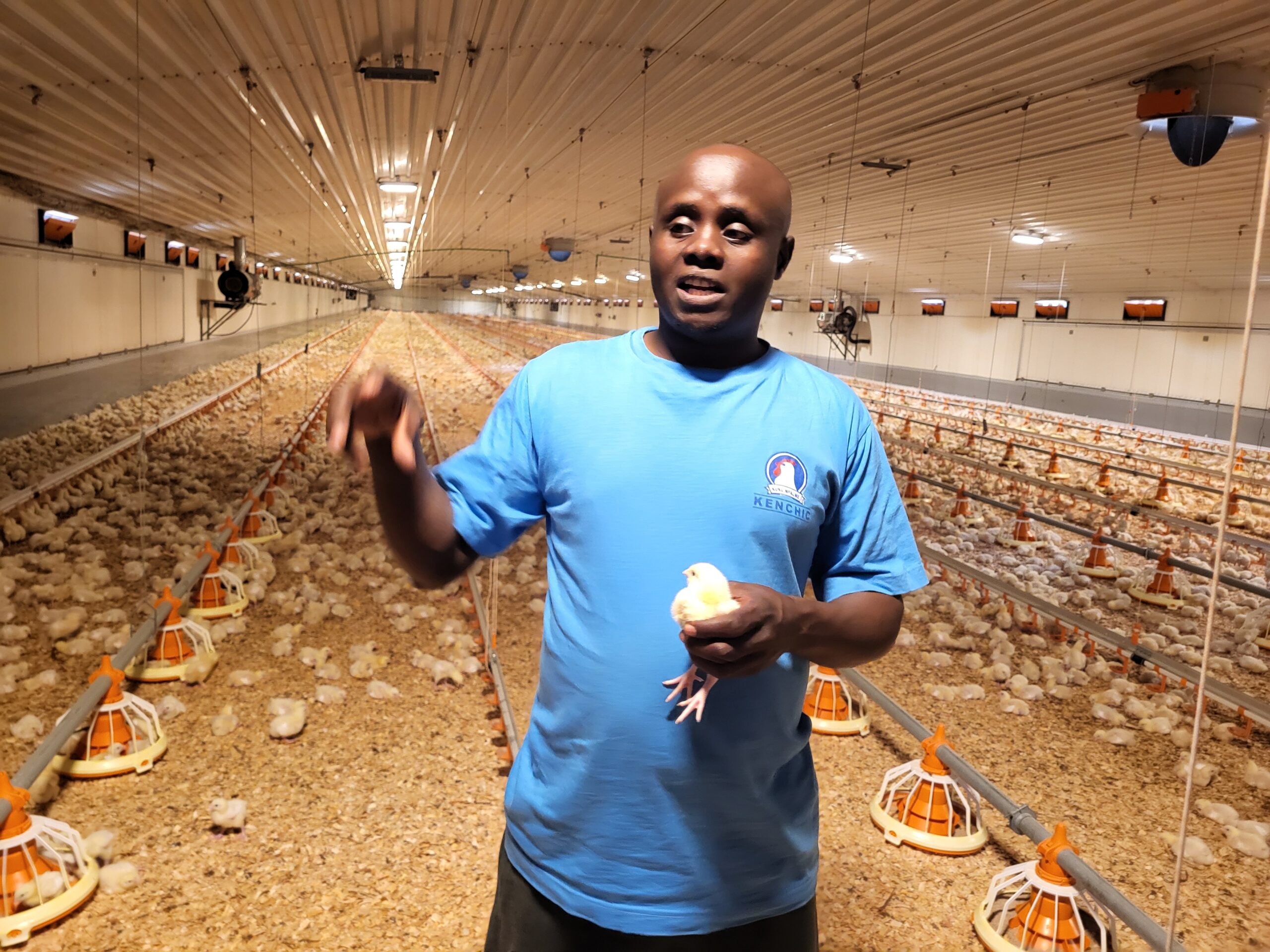
Duncan Kamiti, Kenchic Kakuzi North Broiler Farm farm manager addressing the media during a media tour at the farm on Wednesday November 19,2025.
As Kenya marks Antimicrobial Resistance (AMR) Awareness Week (Nov 18–24, 2025), Kenchic PLC has intensified its public outreach on responsible antibiotic use, warning that poor farming practices and non-adherence to basic poultry management standards are driving preventable disease outbreaks and placing consumers at risk.
During a field tour of its Kakuzi North Broiler farm on Wednesday, the farm’s manager Duncan Kamiti detailed the company’s stringent biosecurity protocols, farm-to-fork traceability systems, and proactive approach to disease prevention, measures they say are increasingly critical as AMR becomes a growing global threat.
He further noted that AMR occurs when bacteria evolve to resist medicines that once worked effectively. This resistance is fuelled by misuse and overuse of antibiotics in both humans and animals, compromising treatment options and raising risks for consumers and the wider food system.
“It’s not that antibiotics are bad, they are valuable when used correctly. The real danger is irresponsible use,” Kamiti noted.
At Kenchic farms, the company employs an integrated production system that controls every stage of the value chain, from breeder farms and hatcheries to feed formulation, farm rearing and processing. Chicks are booked, vaccinated and monitored through a preventive health plan rather than waiting for disease to occur. “With good hygiene, the right vaccination schedule, quality feed and strong biosecurity, you don’t need antibiotics to mask problems caused by poor management,” Kamiti explained.
Entry into Kenchic farms is tightly controlled: visitors undergo history checks, showering procedures, PPE changes, and thorough disinfection. Trucks delivering feed and chicks must also pass through wash bays and sanitizing stations. Water quality is tested regularly, and houses are cleaned, disinfected and lab-swabbed before each new flock arrives. Bird weights are monitored daily in the first week and weekly thereafter to detect health deviations early.
Yet while Kenchic maintains strict standards in its own operations and contracted farms, the company acknowledges that many independent farmers struggle with basic poultry management, from poor sourcing of day-old chicks and weak farm hygiene to improper vaccination and overcrowding. These gaps not only raise mortality and production costs but also push farmers toward unnecessary or repeated antibiotic use.
“When farmers don’t follow the basics, they lose money through deaths, spend more on medication, and end up delivering fewer kilos to the market,” Kamiti said, adding that the greatest danger comes from failing to observe antibiotic withdrawal periods. “Ignoring the rules exposes consumers to residues and accelerates resistance. It affects all of us.”
With AMR now recognized globally as a major public health threat, Kenchic is urging a stronger nationwide effort to educate farmers, enforce standards and strengthen collaboration between veterinary professionals and poultry producers. The company says consistent farmer training, better access to credible hatcheries, and adherence to professional veterinary guidance will significantly reduce disease outbreaks and limit unnecessary antibiotic use.
“The solution is prevention, not constant treatment. If farmers work closely with trained professionals, most problems can be avoided altogether,” he stressed.
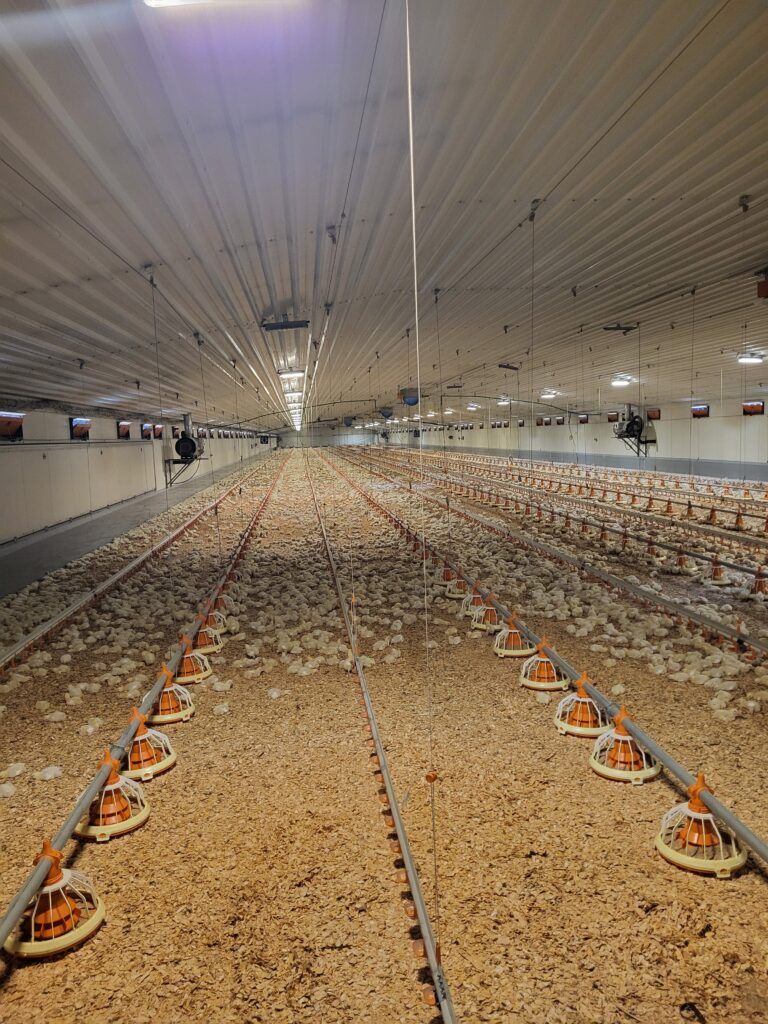
Rearing unit at kenchic Kakuzi North broiler farm with a capacity of 40,000 chicks.
As AMR Week continues, Kenchic hopes its message will resonate beyond its farms: that the health of poultry, the safety of food, and the protection of antibiotics for future generations depend on responsible practices today on every farm, large or small.