
KenGen Powers Kenya to New Energy Record
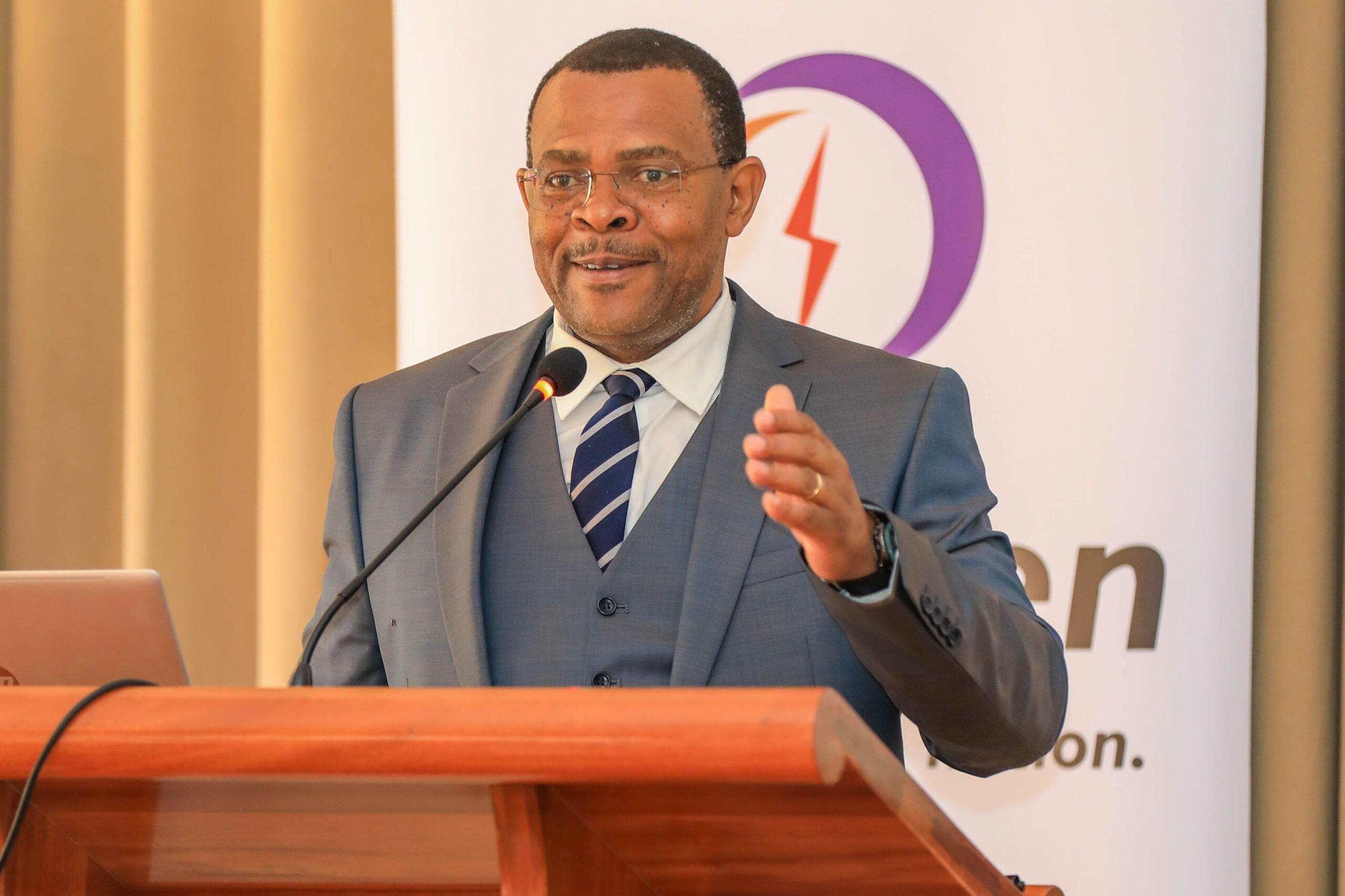
KenGen Managing Director and CEO Eng. Peter Njenga addressing during the release of the latest EPRA report in Nairobi on 28th October 2025
Kenya’s leading power producer, KenGen, has propelled the country to a new energy milestone after national electricity demand hit a record peak of 2,411.98 megawatts and daily usage reached 44,122.60 megawatt-hours on October 24, 2025.
Speaking during the release of the latest Energy and Petroleum Regulatory Authority (EPRA) report in Nairobi on Tuesday, KenGen Managing Director and CEO Eng. Peter Njenga said the growth in energy consumption reflects Kenya’s economic resilience and KenGen’s commitment to sustainable power generation.
“KenGen’s consistent renewable generation continues to anchor Kenya’s grid reliability and reduce reliance on expensive thermal power, aligning with national climate goals,” said Eng. Njenga.
He added that the company’s renewable energy portfolio now exceeds 1,605 megawatts, positioning KenGen as the backbone of Kenya’s green energy transition. “Our geothermal and hydropower plants remain central to the country’s power stability and growth, supplying more than half of Kenya’s total electricity,” he said.
EPRA data shows that KenGen’s geothermal stations produced 12,787 megawatt-hours—5.07 percent above target—while hydropower plants generated 9,871 megawatt-hours, exceeding projections by 3.23 percent. Combined, these sources contributed over 53 percent of the total national energy mix.
Wind generation increased by 15.45 percent due to stronger night output, while solar production dropped by 21.5 percent owing to seasonal changes. To maintain supply balance, thermal plants temporarily covered 11 percent of total generation.
“No load shedding was reported across the grid despite the record demand, which is a clear indication that our renewable infrastructure is performing exceptionally well,” Eng. Njenga noted.
KenGen’s achievement comes as the company implements its G2G 2034 strategy, aimed at expanding green energy capacity and optimizing existing assets. The initiative supports the government’s industrialization agenda and the national goal of achieving 100 percent clean energy in the coming years.