
PNU Slams Budget Cuts to Free Education, Warns of Rever sing Hard-Won Gains
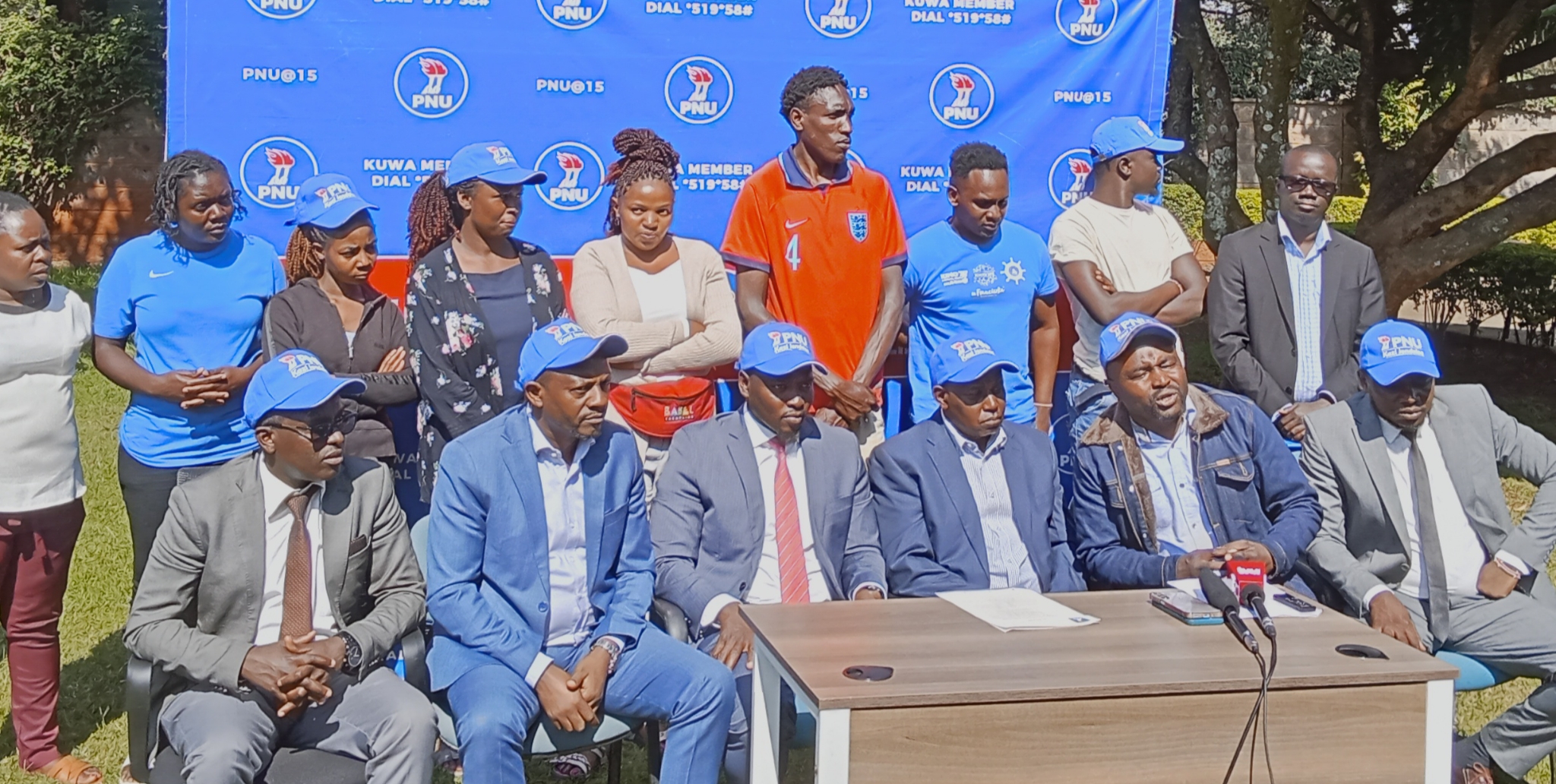
The Party of National Unity (PNU) has strongly criticized the government administration over what it terms as a deliberate move to dismantle Kenya’s free basic education system, a policy that has served as a lifeline for millions of children since its inception in 2003 under the late President Mwai Kibaki.
In a press statement, the party decried the proposed cuts in the 2025/26 national budget, which slash allocations for free primary education from KES 9.1 billion to KES 7 billion, and free day secondary education from KES 61.9 billion to KES 51.9 billion. PNU warned that these reductions threaten to roll back decades of educational progress and widen inequality across the country.
“The free primary education policy has been the greatest social equalizer in Kenya, pulling millions from poverty and empowering a generation,” read the statement. “The enlightened Gen Z movement is a direct result of these gains.”
PNU accused the government and its political allies of prioritizing “white elephant projects, state house renovations, and questionable handouts” while ignoring the constitutional right to education. The party called the proposed budget cuts “detestable” and labeled Education Cabinet Secretary John Mbadi as inept.
Since the launch of Free Primary Education in 2003, Kenya’s national literacy rate has risen from 69 percent to over 80 percent, with the age group 15–35 recording the highest gains. The program’s inclusive nature accommodating learners regardless of age, gender, disability, or socioeconomic background has been pivotal in boosting school enrolment and transition to secondary education.
“Kenya’s greatest export is its human capital,” PNU noted, referencing the KES 720 billion in annual diaspora remittances. “To undermine education is to undermine the very foundation of our national development.”
The party warned that failure to safeguard basic education could mark a turning point – a “Waterloo moment” for the Government administration. It called for a redirection of funds from non-essential expenditures such as foreign travel and infrastructure projects toward revamping the ailing education system.
“If the government cannot improve education, the least it can do is maintain the gains inherited from previous administrations,” PNU said. “When the opposition takes over, we will take it from there.”