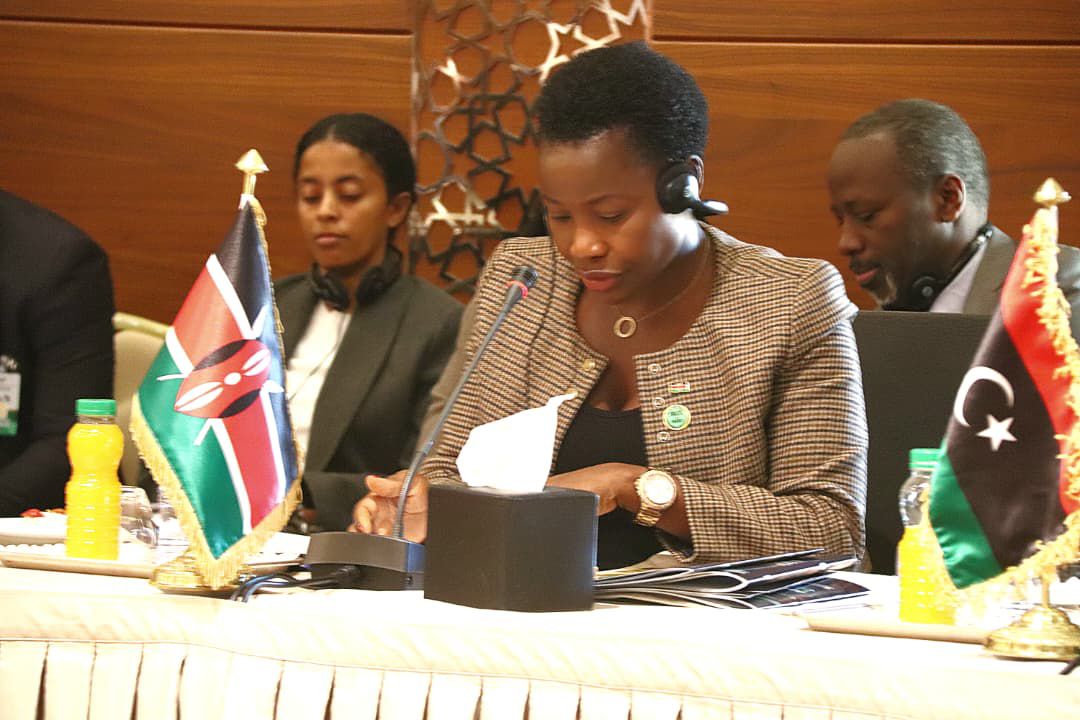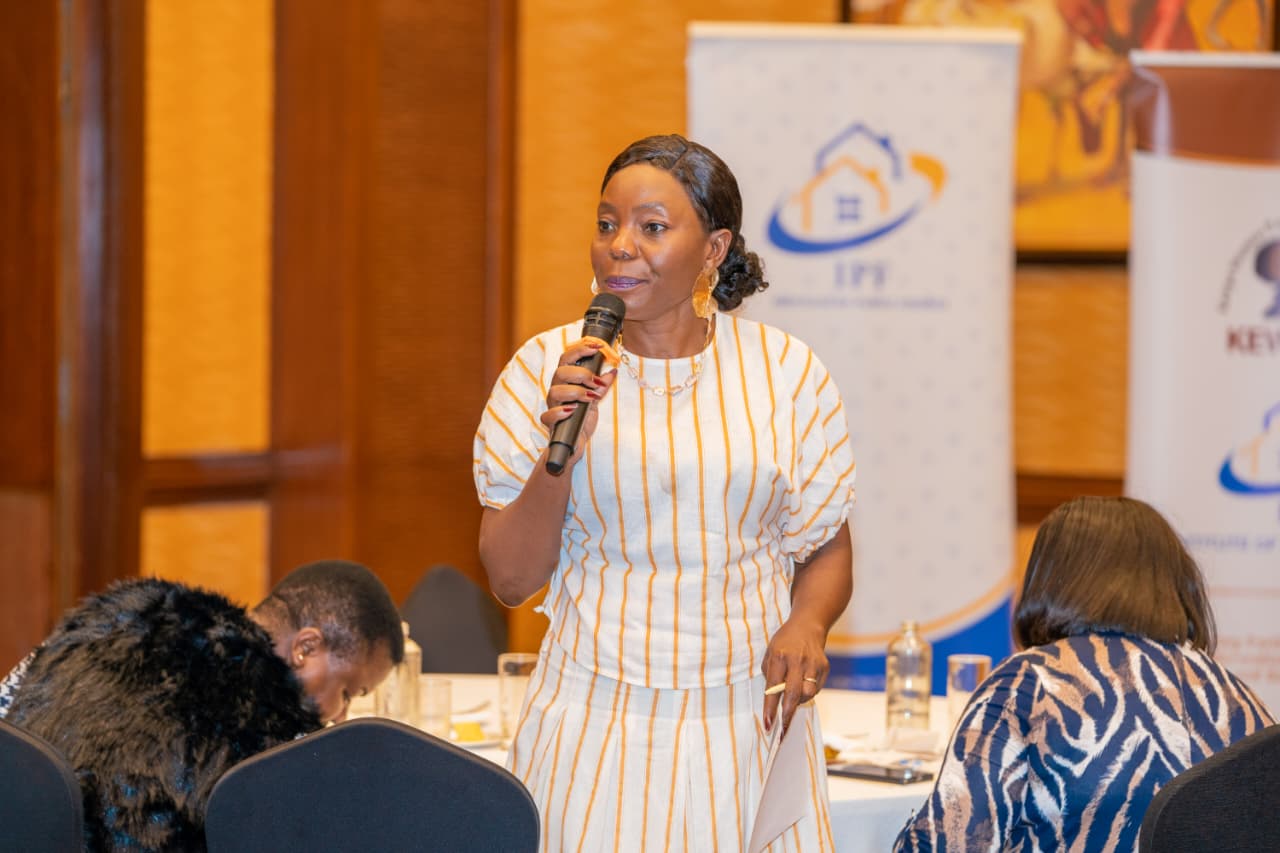

IRF Summit Africa Kicks Off in Nairobi, Urges Faith-Based Unity for Peace and Development
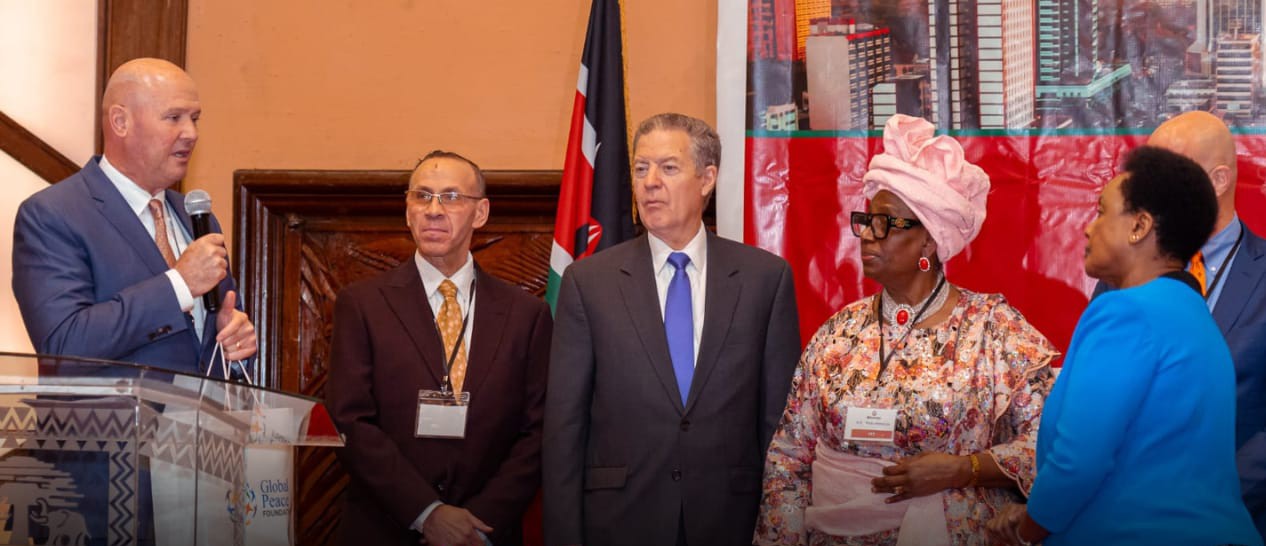
The International Religious Freedom (IRF) Summit Africa has officially opened in Nairobi, marking a pivotal moment in efforts to promote religious liberty as a cornerstone of peace and sustainable development on the continent.
Hosted by Kenya’s Chief Justice Martha Koome and organized by Pepperdine University and the Religious Freedom Institute, in partnership with the Global Peace Foundation, the three-day summit convenes religious leaders, policymakers, and civil society actors from across Africa.
The summit aims to spotlight religious freedom as a fundamental human right essential for societal harmony and economic prosperity.
In a speech read by the Deputy Chief Justice Philomena Mwili, on behalf of the Chief Justice Martha Koome, CJ emphasized on the importance of safeguarding freedoms enshrined in Kenya’s Constitution.
Deputy Chief Justice Philomena Mwilu raised concern over increasing religious persecution, extremism, and shrinking civic space.

“Violations of religious freedom threaten the fabric of society,” she said, reaffirming Kenya’s constitutional protections under Article 32.
Ambassador Sam Brownback, IRF Summit Co-Chair, stressed that no nation can thrive while curbing religious freedoms. “Religious liberty is directly linked to trade, investment, and peace,” he noted, calling out governments that favor particular faiths and warning of escalating religious tensions, particularly between Islamist militants and Christian communities.
Co-Chair Bola Obasanjo appealed for collective action, stating that Africa needs to commit more resources to advancing religious freedom. Fellow Co-Chair Dr. Katrina Lantos Swett highlighted that nations upholding human rights see broader success, particularly for women, and called for interfaith unity through mechanisms like an Abrahamic peace treaty.
David Trimble, President of the Religious Freedom Institute, urged African nations to reclaim their legacy of religious coexistence and lead in promoting tolerance.
African leaders have been called upon to defend religious liberty as a pathway to lasting peace, economic resilience, and social cohesion.